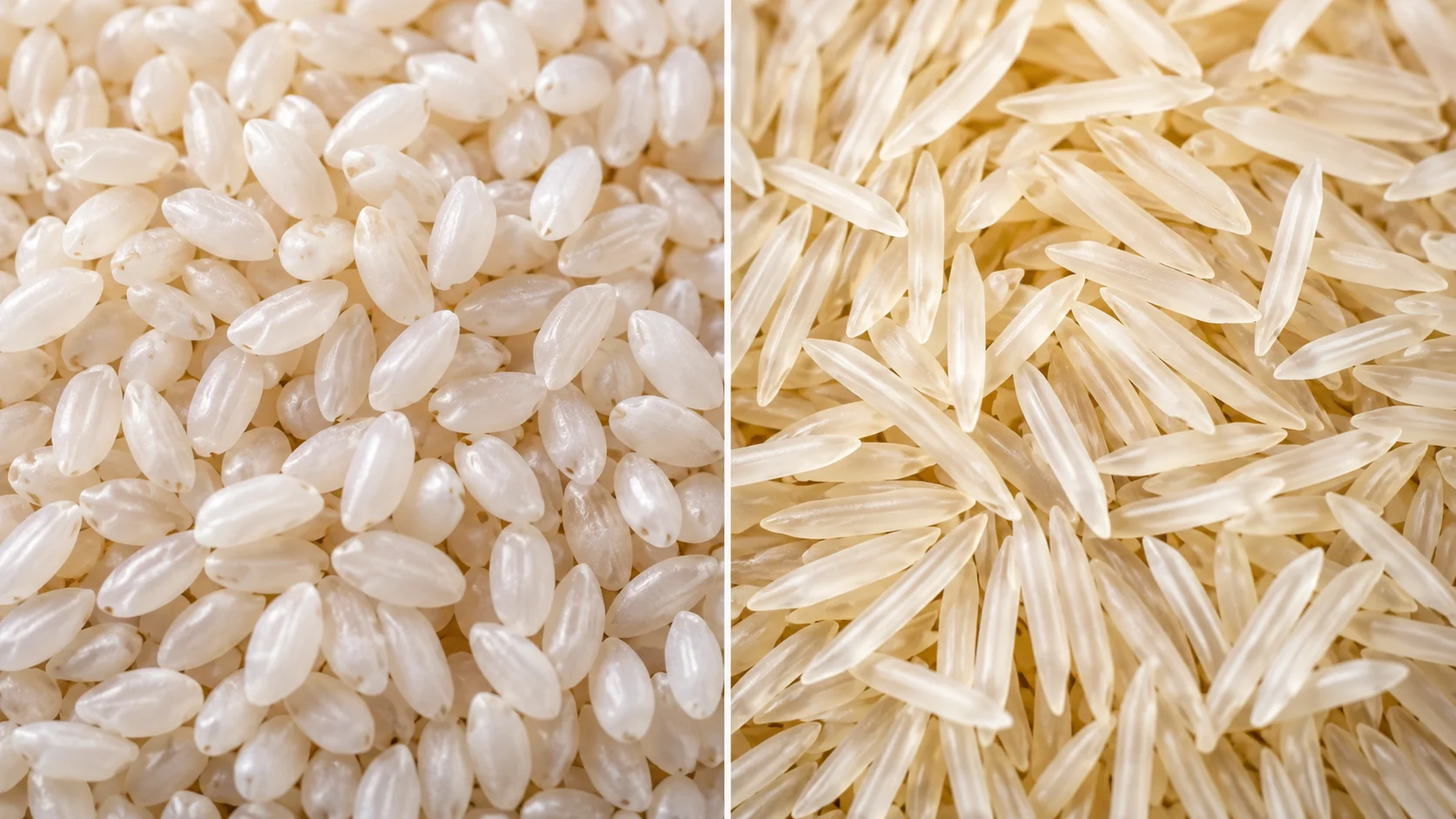
Sona Masoori vs Basmati: Which Rice Should You Cook?
 MasalaBear Team
Sona masoori is South India's everyday medium-grain rice; basmati is the long, aromatic grain of biryani and pulao. Here's how they differ in texture, cooking, price, and which one each Indian dish needs.
Tip
If you grew up in Delhi, rice means basmati. If you grew up in Hyderabad or Bengaluru, rice means sona masoori, and basmati is what you buy for biryani. Both are Indian, both are white, and both will be sitting next to each other in the Indian grocery, usually in 10 kilo sacks. They are built for different food.
This guide covers what each grain is, how they cook, and which Indian dishes need which. If you want the wider map of every regional rice, start with our rice for Indian food guide.
Sona Masoori vs Basmati at a Glance
| Sona Masoori | Basmati | |
|---|---|---|
| Grain | Medium, slightly plump | Long, slender, elongates on cooking |
| Aroma | Mild, almost neutral | Distinctly nutty and fragrant |
| Cooked texture | Soft, absorbent, grains cling lightly | Dry, fluffy, grains stay separate |
| Where it is grown | Andhra Pradesh, Telangana, Karnataka | Himalayan foothills of India and Pakistan |
| Home region | South India | North India |
| Signature dishes | Sambar rice, curd rice, lemon rice, pongal, bisi bele bath | Biryani, pulao, jeera rice, rice with curry |
| Water (absorption method) | About 1 : 2, less for tempered rices | About 1 : 1.5 after soaking |
| Soaking | Optional | 20 to 30 minutes, recommended |
| Aging | Sold fresh; older stock is not marketed as a feature | Aged 1 to 2 years for premium grades |
| Price | Everyday | Premium, more for aged and extra-long |
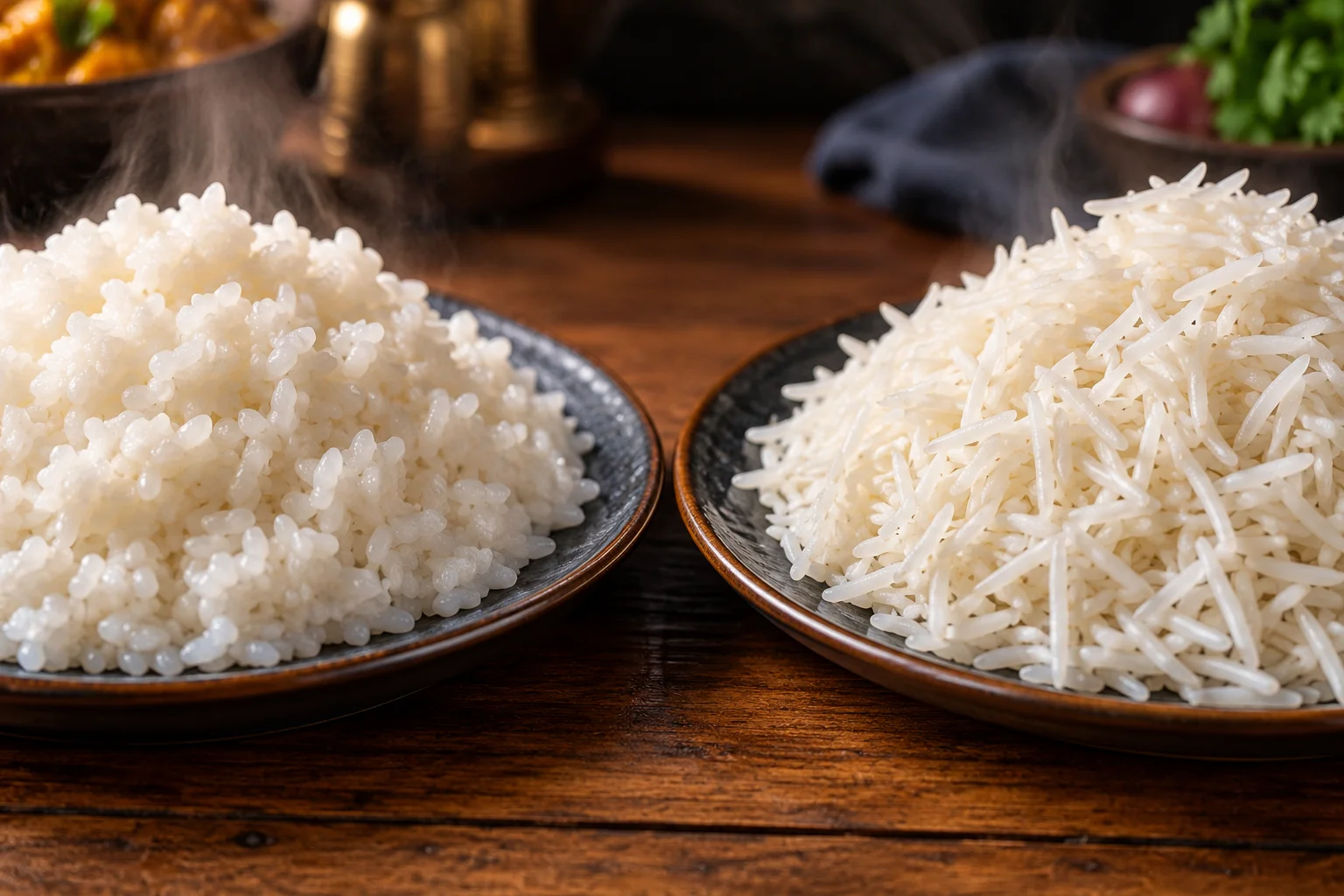 Cooked, the difference is obvious: sona masoori clusters softly, basmati stays long and separate
What Sona Masoori Is
Sona masoori is a medium-grain white rice and the daily rice of much of South India. The name comes from its parentage: it is a cross of two older varieties, Sona and Mahsuri, developed in Andhra Pradesh, and you will see it spelled sona masuri, sona mahsuri, or samba masuri on sacks. It is grown at scale across Andhra Pradesh, Telangana, and Karnataka and is one of the most widely eaten rices in the country.
The grain is short to medium, slightly plump, and unpolished-looking compared with basmati. It has very little aroma. Cooked, it is soft and absorbent, and the grains cling to each other just enough to be picked up by hand and mixed with sambar, rasam, or yogurt. That is the point: South Indian meals are eaten by mixing rice with wet dishes on the plate, and a rice that stays firm and separate fights that.
Sona masoori is sold as raw (white) rice and as parboiled rice. Parboiled sona masoori is steamed before milling, which makes it firmer and a little yellow; it is common in Andhra and Telangana homes and in restaurants that want rice that holds up on a steam table.
What Basmati Is
Basmati is India's long-grain aromatic rice, grown in the Himalayan foothills across Punjab, Haryana, Uttarakhand, Himachal Pradesh, and western Uttar Pradesh, and in Pakistan's Punjab. India gave it a Geographical Indication in 2016, so rice sold as basmati has to come from those regions. The grain is long and slender and elongates to nearly twice its length when cooked, with a nutty, popcorn-like aroma that no other rice has.
Basmati is high in amylose, the starch that keeps cooked grains separate. That is why it cooks dry and fluffy and why it is the only rice for biryani and pulao, where individual grains are the whole visual and textural point. Premium basmati is aged for a year or more before sale, which lowers its moisture and makes it cook even drier. Our aged basmati rice guide explains what that label means and why it matters for biryani.
Which Rice for Which Dish
The rule is simple. If the dish is meant to be fluffy and separate, use basmati. If the dish is meant to be mixed, mashed, or tempered, use sona masoori.
Dishes That Need Basmati
- Biryani. Hyderabadi, Lucknowi, Kolkata: all layered biryanis depend on long grains that stay distinct through the final steam. Sona masoori merges into the masala.
- Pulao and jeera rice. Whole spices tossed through fluffy grains. Basmati carries them; medium-grain rice goes stodgy.
- Rice served with North Indian curries. Butter chicken, rogan josh, dal makhani, rajma. Basmati soaks up gravy without turning to paste. Read what to serve with butter chicken for the full plate.
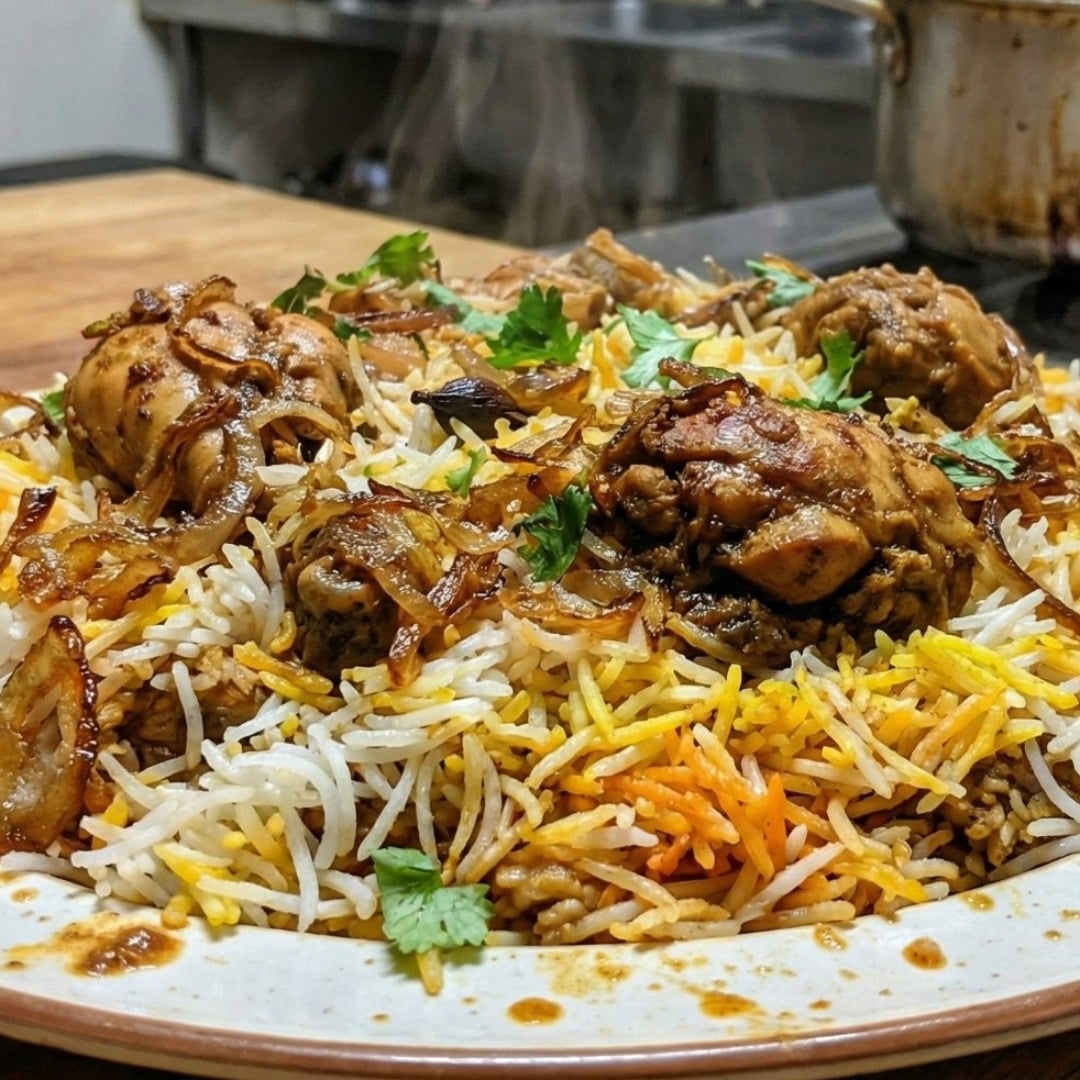 Hard
HardFeatured Recipe
Hyderabadi Biryani (Kacchi Style - No Shortcuts)
This is Kacchi Akhni style - raw meat marinated and cooked together with the rice. It requires patience and a heavy hand with the saffron. Not a weeknight dinner!
Dishes That Need Sona Masoori
- Sambar rice and rasam rice. The everyday South Indian meal. Rice is mixed by hand with the sambar; sona masoori absorbs it, basmati sits on top of it.
- Curd rice. Rice cooked soft, mashed slightly, and folded into yogurt with a tempering. Basmati stays too firm to mash.
- Lemon rice, puliyogare, tamarind rice, coconut rice. The tempered rices. Sona masoori cooked slightly dry takes on the seasoning while keeping some bite.
- Pongal, khichdi, bisi bele bath. Rice and dal cooked down together. Sona masoori breaks down into the right porridge texture.
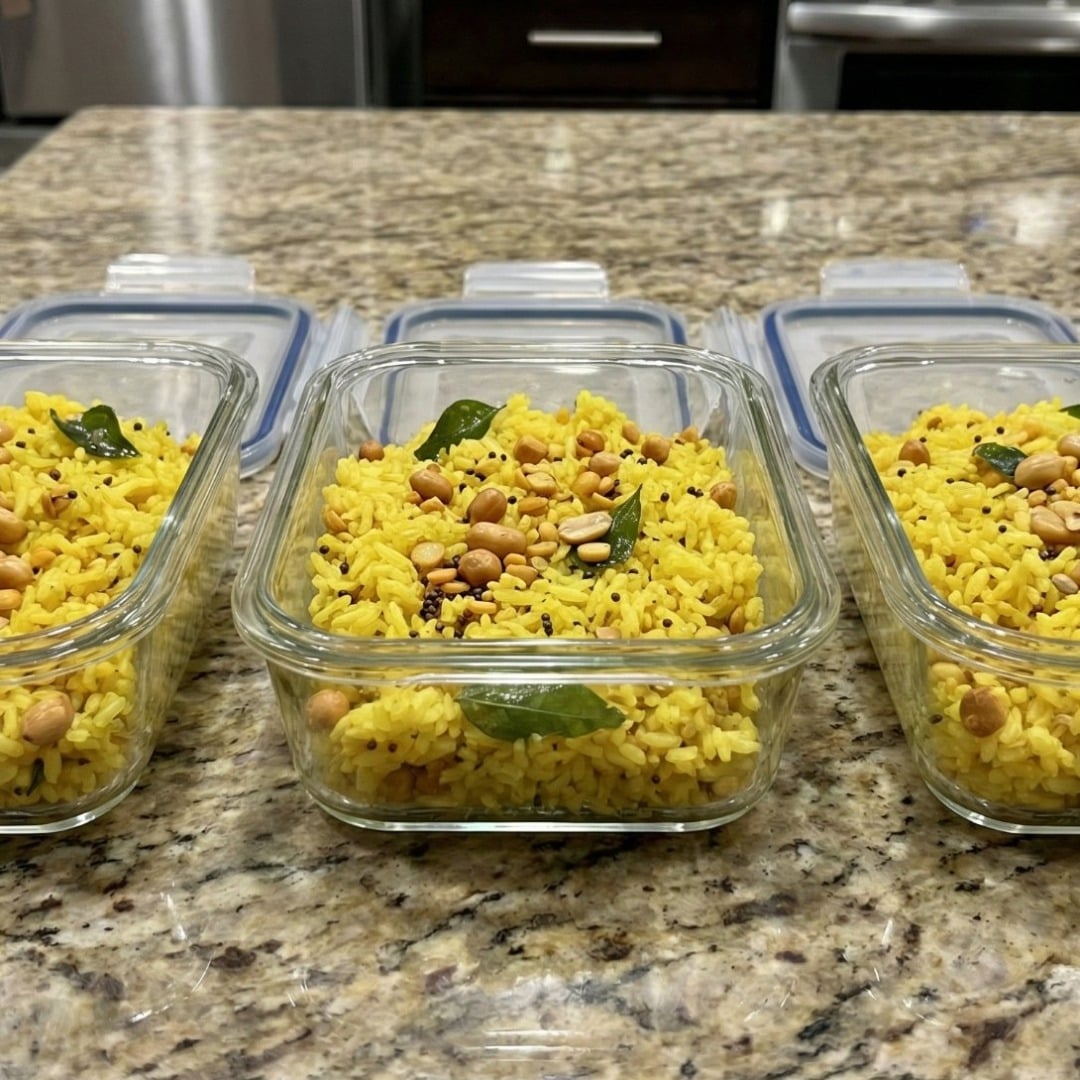 Easy
EasyFeatured Recipe
Lemon Rice (Lunchbox Staple)
Tangy, yellow, and crunchy with peanuts. This tastes better after sitting for a few hours, making it perfect for office lunches.
Dishes Where Either Works
Plain steamed rice next to a vegetable curry or a simple dal. Basmati gives you a fluffier, more fragrant plate; sona masoori gives you a softer, more everyday one. Households pick by habit and by region more than by rule. Browse the rice and biryani recipes to see both grains in use.
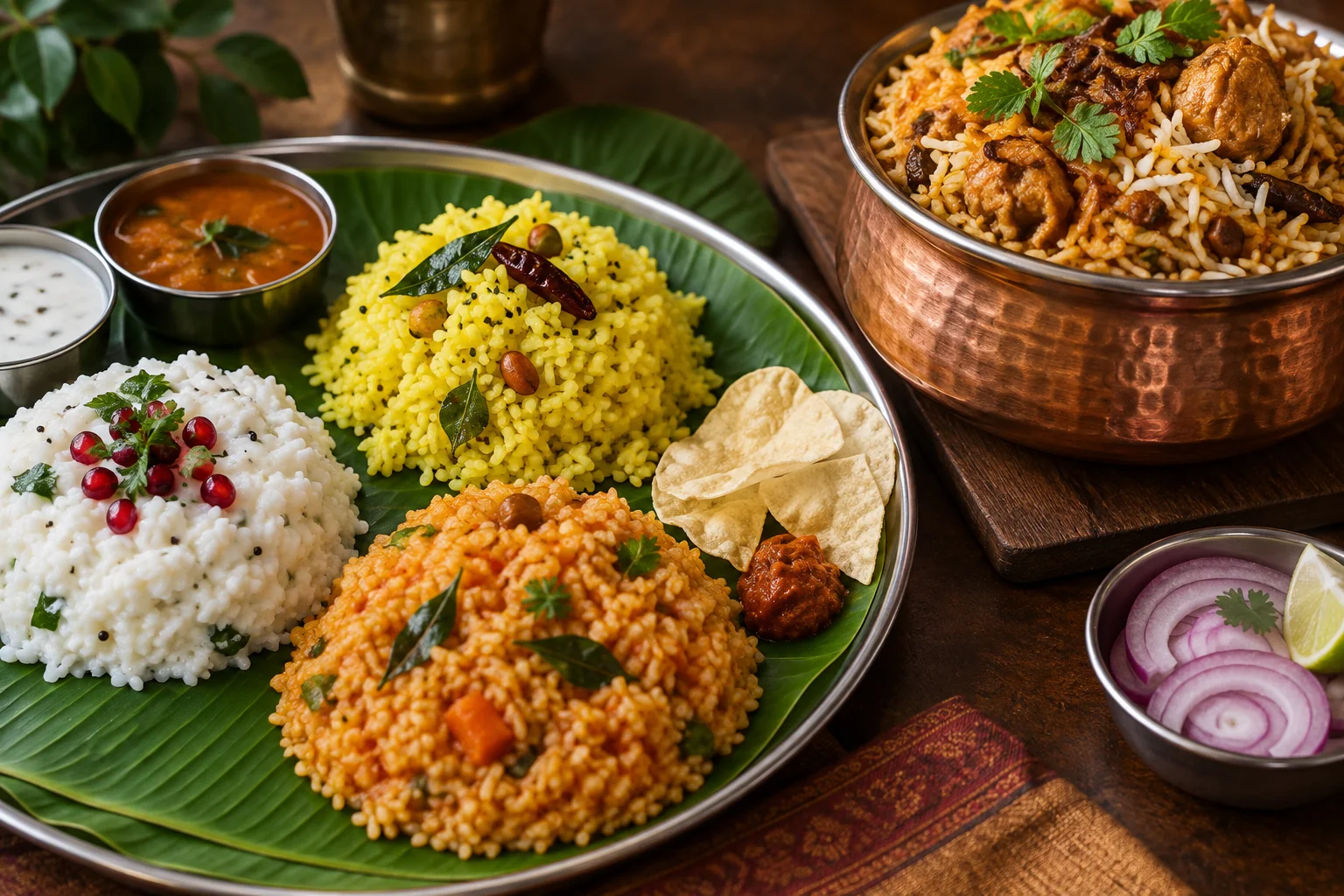 Sona masoori for the mixed and tempered rices; basmati for the biryani
How to Cook Each One
Cooking Sona Masoori
Rinse two or three times until the water is mostly clear. Soaking is optional; 10 minutes makes it a little softer. For soft rice to mix with sambar or yogurt, use about 2 cups of water per cup of rice in a pressure cooker for two to three whistles, or simmer covered on the stove for about 15 minutes and rest for 5. For lemon rice or puliyogare, cut the water to about 1.75 cups so the grains stay separate enough to toss.
Cooking Basmati
Rinse until the water runs clear, then soak for 20 to 30 minutes. Drain, and either cook by absorption with about 1.5 cups of water per cup of rice, covered, on the lowest heat for 12 minutes and rested for 10, or boil in a large pot of salted water like pasta until just tender and drain. Do not stir it while it cooks; that breaks the grains. Fluff with a fork.
Warning
Nutrition, Price, and Which to Keep
Nutritionally the two are closer than the marketing suggests. Both are white rices with similar calories and carbohydrate per cooked cup. Basmati has a lower glycemic index than most white rices, a point often repeated in its favour. Sona masoori is traditionally described as light and easy to digest, and it is the rice millions of people eat twice a day. If health is the deciding factor, the real step up is brown basmati or unpolished sona masoori, not one white rice over the other.
Price is where they part. Basmati is a protected, slow-growing, often aged crop, and the extra-long aged grades are the most expensive rice in the Indian grocery. Sona masoori is a high-yield everyday variety and costs noticeably less. Many South Indian households keep a large sack of sona masoori for daily meals and a small bag of basmati for biryani and guests, which is a sensible way to stock any kitchen that cooks Indian food regularly.
The Bottom Line
Sona masoori and basmati are not competing for the same job. Basmati is the long, aromatic, separate-grained rice of biryani, pulao, and North Indian curry plates. Sona masoori is the soft, absorbent, everyday rice of South Indian meals, curd rice, and tempered rices.
If you mostly cook restaurant-style North Indian food, keep basmati. If you cook South Indian food or want a cheaper everyday rice for mixing with dal and yogurt, keep sona masoori. If you cook both, do what South Indian kitchens do and keep both.
Frequently Asked Questions
- Which rice is healthier, sona masoori or basmati?
- Nutritionally they are close: both are white rices with similar calories and carbohydrates per cooked cup. Sona masoori is often described as lighter because it is less polished and cooks up less dense, and it is the traditional everyday grain in South India. Basmati has a somewhat lower glycemic index than most white rices. Brown versions of either are the meaningful upgrade.
- What is the main difference between sona masoori and basmati rice?
- Grain and aroma. Basmati is a long, slender, aromatic rice that cooks dry and separate, which suits biryani and pulao. Sona masoori is a medium-grain, non-aromatic rice that cooks soft and absorbent, which suits sambar rice, curd rice, and tempered rices like lemon rice.
- Can I use sona masoori for biryani?
- You can, but it will not look or feel like a classic biryani. The grains are shorter and cook softer, so the layers merge rather than staying distinct. Some South Indian households do make biryani with sona masoori or seeraga samba; if that is the style you want, it works. For Hyderabadi or Lucknowi biryani, use aged basmati.
- Can I use basmati instead of sona masoori for curd rice or pongal?
- You can, but cook it softer than usual with extra water, and expect a firmer, less creamy result. Curd rice and pongal rely on a grain that mashes and absorbs, which basmati resists. Broken basmati is closer, since the shorter pieces break down more.
- Why is sona masoori cheaper than basmati?
- Basmati is a premium, geographically protected crop with a long growing season, and the best of it is aged for a year or more before sale. Sona masoori is a high-yield everyday variety grown across several South Indian states and sold soon after harvest. In most Indian groceries it costs noticeably less per kilo.
- Does sona masoori need soaking?
- Not for everyday cooking. Rinse it two or three times and cook straight away; a short 10 minute soak makes it slightly softer. Basmati benefits more from soaking, since 20 to 30 minutes in water helps the long grains elongate without breaking.