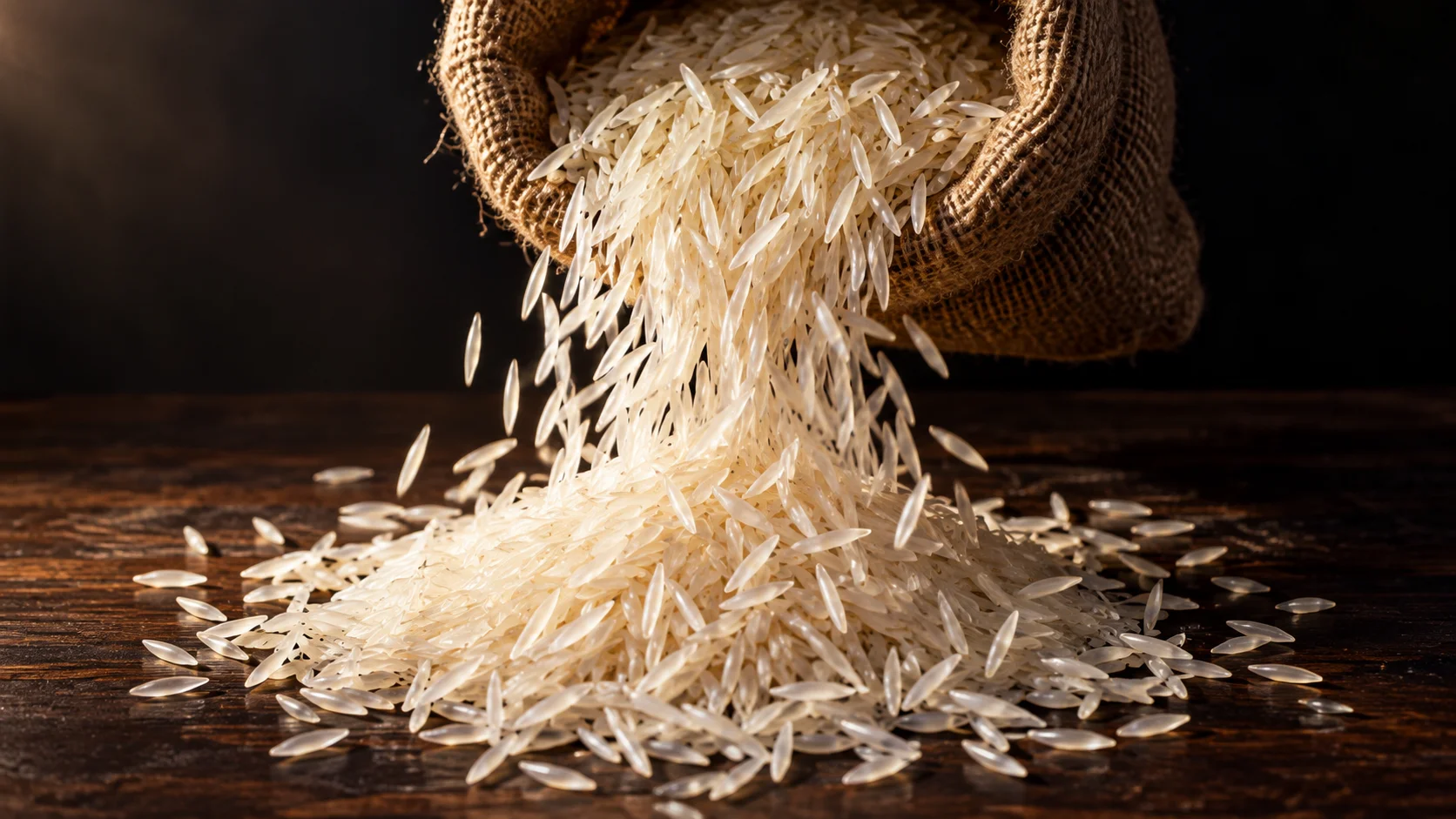
Aged Basmati Rice: What It Means and Why It Cooks Better
 MasalaBear Team
Why does the good basmati say 'aged 2 years' on the bag? Aging dries the grain so it cooks longer, fluffier, and less sticky. Here's what aging does, how to spot it, and when it matters.
Tip
Pick up two bags of basmati in an Indian grocery and one will say "aged 2 years" or "extra aged" in big letters while the other says nothing at all. The aged one costs more. Most rices are sold as fresh as possible, so why is basmati sold old, and is the premium worth paying?
Aging is the single biggest reason one bag of basmati cooks into long, separate, fluffy grains and another turns into a soft clump. This guide explains what happens to the grain, how to spot aged rice, and when it actually matters for what you are cooking. For the wider question of which rice suits which Indian dish, see our rice for Indian food guide.
What Aging Does to Basmati
Freshly harvested rice holds a fair amount of moisture, and its starches are still, in effect, settling. Cook new-crop basmati and it behaves like a slightly softer, stickier, shorter version of itself: grains cling, some split lengthwise, and the cooked length is not the dramatic elongation basmati is known for.
Store that paddy or milled rice for a year or two under dry, ventilated conditions and three things change:
- Moisture drops. The grain dries out, so it absorbs cooking water more evenly and does not turn mushy at the surface before the centre is done.
- Starch matures. The way the starch gelatinises shifts, so cooked grains are firmer, drier, and far less sticky. This is the same reason day-old rice fries better than fresh, stretched over a year.
- The grain hardens. Aged grains resist breaking during milling and cooking, so you get more whole, long pieces and less broken rice at the bottom of the pot.
The result is rice that elongates to close to twice its raw length, stays separate, and holds up through the boiling, draining, and steaming that biryani demands. Aging also mellows the raw, grassy edge of new-crop rice, which is why aged basmati tastes cleaner and nuttier, though the volatile aroma compounds themselves do not increase with storage.
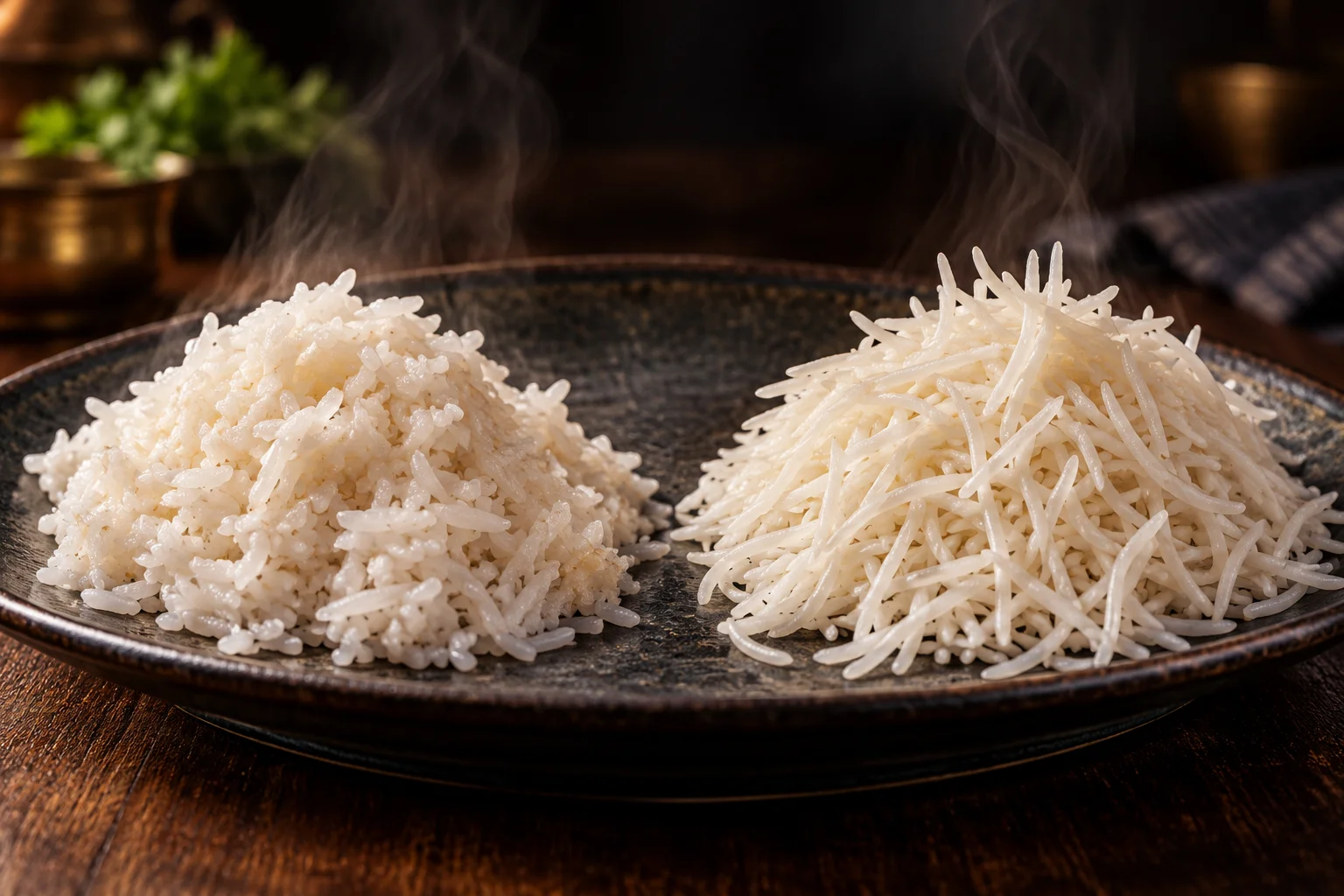 Same variety, same pot, same method: new-crop basmati on the left, two-year aged on the right
Types of Basmati You Will See on the Shelf
Aging is one label among several, and the others interact with it. Here is what the common terms mean.
Aged vs New-Crop Basmati
The core distinction. "Aged," "aged 1 year," "aged 2 years," and "extra aged" all mean the rice was held before sale, with two years at the premium end. A bag with no aging claim is usually milled closer to harvest. If your rice is for biryani or pulao, aged is the grade to buy. If it is for plain rice with dal on a Tuesday, new-crop is fine and cheaper.
Raw vs Sella (Parboiled) Basmati
Sella basmati is steamed in the husk before milling. The process pushes nutrients from the bran into the grain and gelatinises the starch, so sella rice is firmer, faintly golden, and almost impossible to overcook. Restaurants and caterers love it for large-batch biryani because the grains never go soft on a steam table. The trade-off is a milder aroma and a slightly chewier bite than raw aged basmati. Sella is also usually aged, so you may see both terms on one bag.
Traditional vs Extra-Long (1121) Basmati
Much of the "extra long" basmati sold today is Pusa 1121, a variety bred in India for exceptionally long grains that can reach 20 millimetres or more when cooked. It is the rice behind most restaurant biryani and the showpiece grains in food photography. Traditional basmati varieties such as Dehraduni and Basmati 370 are shorter but many cooks find them more aromatic. Both benefit from aging; 1121 is the one most often sold with an "aged 2 years" claim.
Brown Basmati
Basmati with the bran left on. It is aged less often, cooks in about 40 minutes rather than 12, and is chewier and nuttier. It is the healthier grain but the wrong one for biryani, where the bran stops the grains from elongating and separating cleanly.
When Aged Basmati Matters, and When It Does Not
Biryani: It Matters Most
Biryani rice is rinsed, soaked, parboiled to about 70 percent, drained, layered with the masala, and steamed on low heat. New-crop rice goes soft during the parboil and then collapses in the steam. Aged rice survives every step and comes out as the long, separate, saffron-streaked grains that define the dish. If you make one change to improve your biryani, switch to aged basmati. Our regional biryani guide covers how Hyderabad, Lucknow, and Kolkata each handle the rice.
 Hard
HardFeatured Recipe
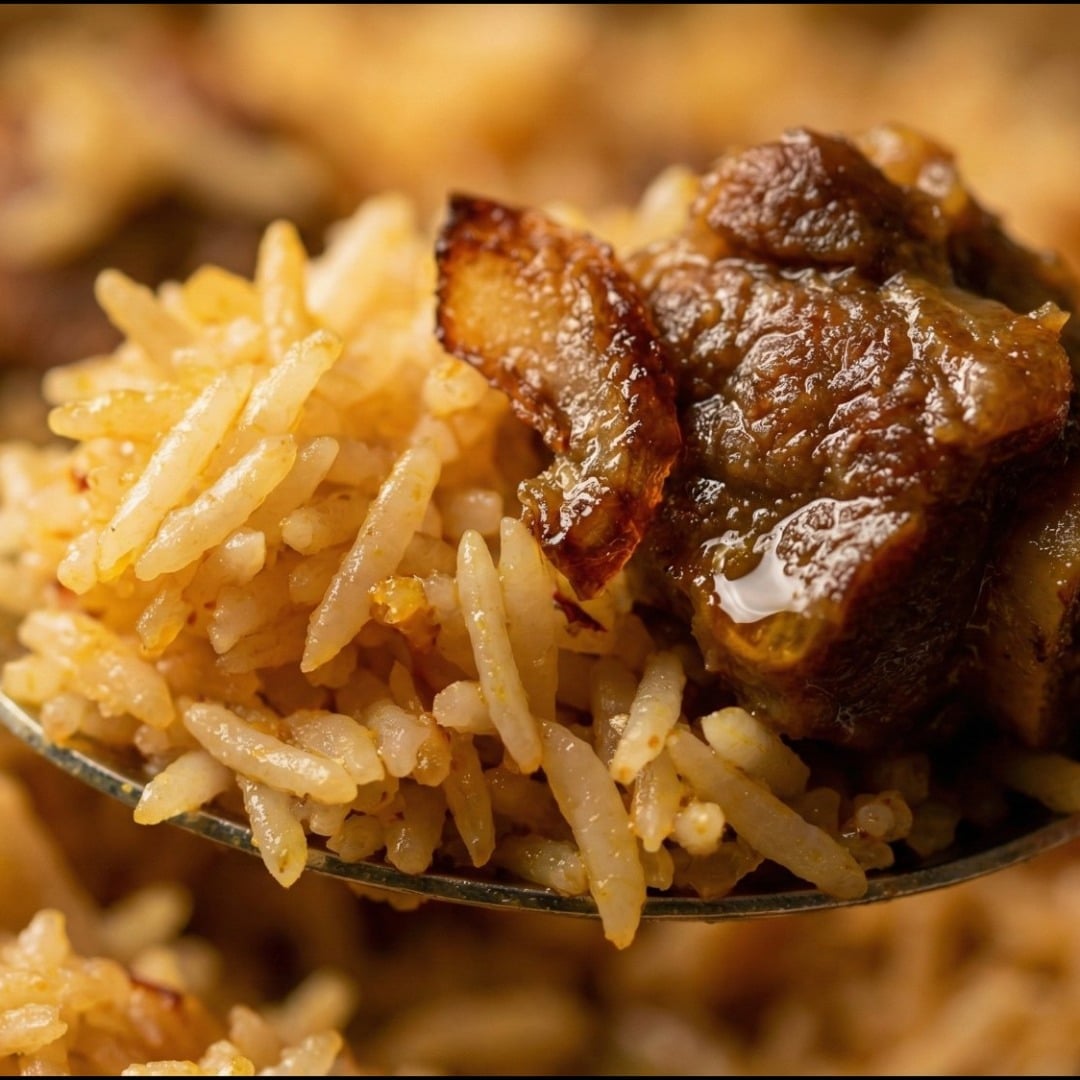
48-Hour Hyderabadi Mutton Biryani My Family Guards With Their Life
This is the biryani my grandmother made for weddings. Starts 48 hours before serving – no shortcuts, no compromises. The aroma will travel three streets.
Pulao and Jeera Rice: It Helps
Pulao is cooked by absorption with whole spices, and fluffiness is the goal. Aged basmati gives you distinct grains that carry the spices; new-crop tends to pack together. The difference is smaller than in biryani but still visible.
 Easy
EasyFeatured Recipe
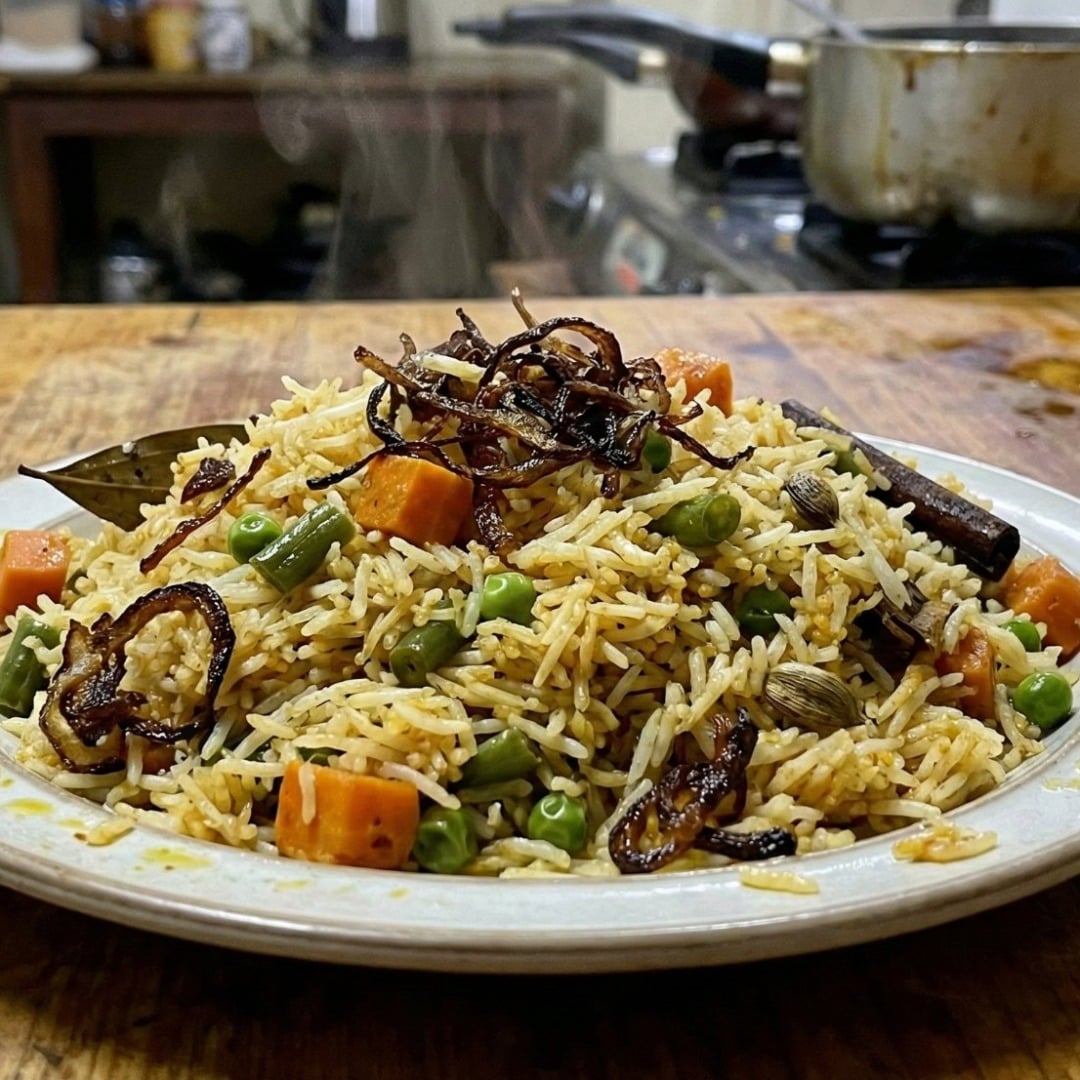
Vegetable Pulao with Fried Onions
simple veg pulao. fried onion garnish is a must
Plain Rice with Curry: It Is Optional
Rice served under butter chicken or dal does not need to perform. Aged basmati is nicer, but a good rinse and soak will get new-crop basmati most of the way there, and a slightly softer grain is no problem under a gravy. If the budget is tight, this is where to save.
Curd Rice, Khichdi, Kheer: Do Not Bother
These dishes want rice that softens and breaks down. Aging works directly against that. Use sona masoori, broken rice, or a short aromatic grain instead; the sona masoori vs basmati comparison explains which rice each of these dishes needs.
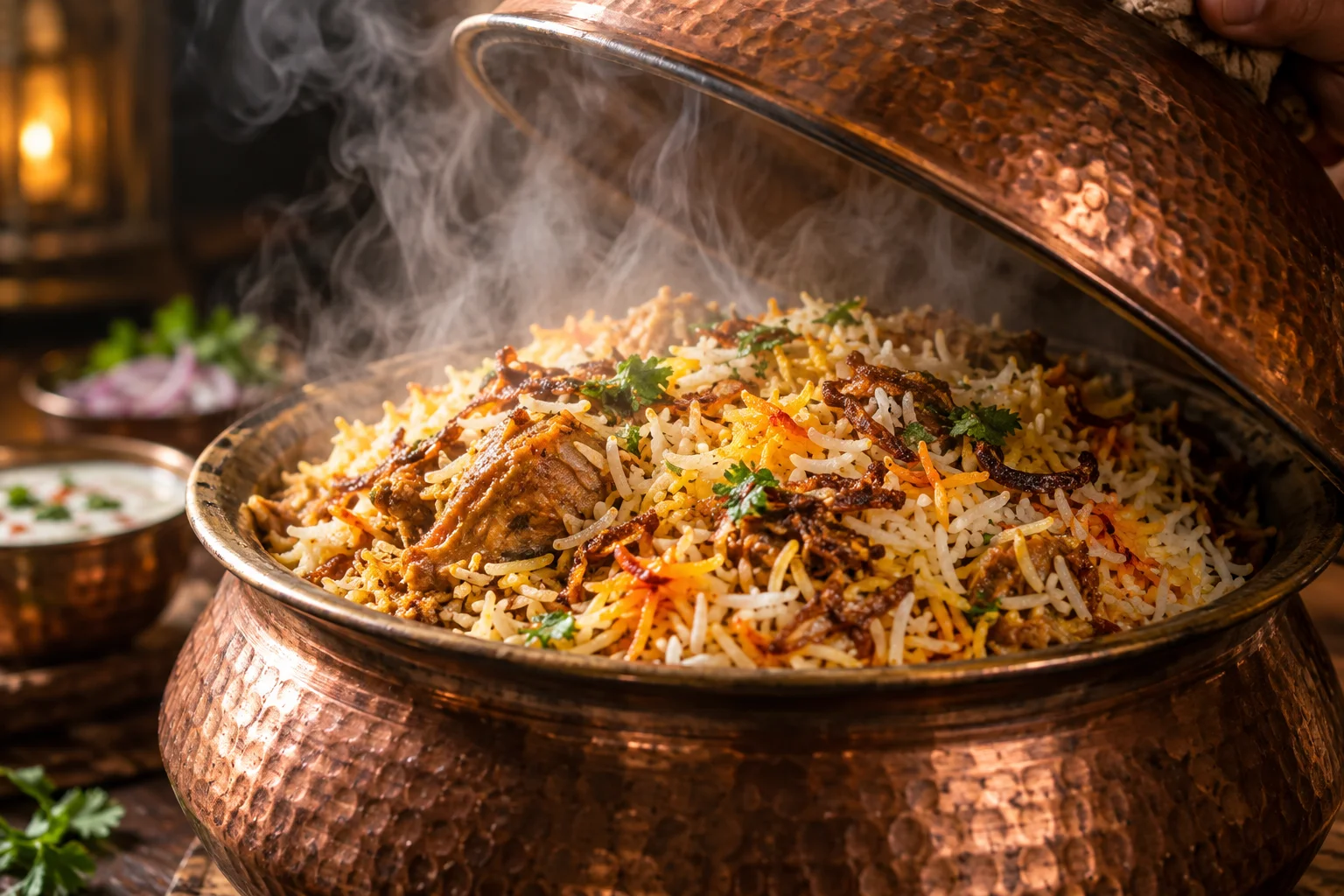 This is what aging buys you: grains that stay whole and separate through the final steam
How to Buy Aged Basmati
- Read the bag. Aging is a selling point, so brands print it. "Aged 2 years" or "extra aged" is the premium tier; "aged" alone usually means at least a year.
- Look at the grain. Aged basmati is slender and slightly translucent. Chalky white patches and lots of broken pieces point to newer or lower-grade rice.
- Check the origin. Genuine basmati comes from the Himalayan foothill regions of India and Pakistan and, in India, carries a Geographical Indication. Rice labelled "basmati-style" or "aromatic long grain" from elsewhere is a different product.
- Buy the right size. Aged rice keeps well, so a 5 or 10 kilo sack is safe if you cook rice often. Store it sealed, cool, and dry, and it will hold for a year or more in the cupboard.
- Match the type to the job. Raw aged basmati for home biryani and pulao; sella for big batches; extra-long 1121 when the look matters; traditional varieties when aroma matters more than length.
Note
How to Cook Aged Basmati So It Shows
Aged rice is drier, so it needs a little more water and a proper soak. Rinse three or four times, soak for 20 to 30 minutes, and drain. For absorption, use about 1.5 cups of water per cup of rice, bring to a boil, cover, and cook on the lowest heat for 12 minutes, then rest off the heat for 10 without lifting the lid. For biryani, boil in a large pot of well-salted water with whole spices until the grain bends but still has a firm core, then drain immediately. Fluff with a fork, never a spoon.
See the rice and biryani recipes on MasalaBear for dishes built around it.
The Bottom Line
Aged basmati is not a marketing flourish. A year or more of storage dries and matures the grain so it cooks longer, fluffier, and cleaner, with far fewer broken or sticky pieces. That is exactly what biryani and pulao need, and it is why every good Indian restaurant uses it.
Buy aged basmati for biryani and pulao, where it makes the dish. Use ordinary basmati for plain rice under a curry, where it does not much matter. And keep aged basmati away from curd rice and khichdi, where the whole point is a grain that falls apart.
Frequently Asked Questions
- What does aged basmati rice mean?
- Basmati that has been stored under controlled conditions for a year or more after harvest before being milled and sold. During that time the grain loses moisture and its starches change, so it cooks up drier, fluffier, and longer than new-crop rice, with less stickiness and fewer broken grains.
- What is the difference between basmati and aged basmati rice?
- The variety is the same; the age is different. New-crop basmati still holds harvest moisture, so it cooks softer, stickier, and shorter, and breaks more easily. Aged basmati has dried and matured, so the grains elongate more, stay separate, and hold up to biryani-style cooking. Aged basmati costs more.
- Is aged rice better than normal rice?
- For basmati, yes, if you want fluffy, separate grains, which is the whole point of basmati. Aging is a recognised quality step for long-grain aromatic rice. For other rices the same logic does not apply; everyday rices like sona masoori or short-grain rices are usually sold and eaten fresh.
- How long is basmati rice aged?
- Premium basmati is typically aged 12 to 24 months. Bags labelled 'aged 2 years' or 'extra aged' sit at the top of the range. Some brands sell one-year aged rice as their standard grade. Rice sold with no aging claim may have been milled soon after harvest.
- Which basmati is best for biryani?
- Aged, extra-long, unbroken grains. Aging is what lets the rice survive parboiling and steaming without going soft, and long grains give the classic look. For large batches, parboiled sella basmati is even more forgiving, though it has a little less aroma than raw aged basmati.
- How do I tell if basmati is aged?
- The bag usually says so, since aging is a selling point. Beyond the label, aged basmati grains look slightly translucent and slender rather than chalky, and cook up noticeably longer and drier. If your basmati keeps turning out sticky despite rinsing and soaking, new-crop rice is a likely cause.