
Ghee vs Butter: What's the Difference? (Complete Guide)
 MasalaBear Team
Butter burns at 350°F. Ghee stays stable to 485°F. That's why your tadka keeps failing. Complete guide to ghee vs butter: when to use each and how to make ghee at home.
Tip
Walk into any Indian grocery store or scroll through Indian recipes online, and you'll see ghee everywhere. But if you're used to cooking with butter, you might wonder: what's the difference? And do you really need both in your kitchen?
At-a-Glance Comparison
| Feature | Ghee | Butter |
|---|---|---|
| What It Is | Clarified butter, milk solids removed | Churned cream with milk solids |
| Smoke Point | 485°F (252°C) | 350°F (177°C) |
| Flavor | Nutty, toasted, rich | Creamy, fresh, slightly sweet |
| Color | Deep golden | Pale yellow |
| Lactose | Virtually none | Contains lactose |
| Shelf Life | Months (room temp) | Weeks (refrigerated) |
| Best For | High-heat cooking, Indian food | Baking, spreading, low-heat cooking |
| Origin | India (ancient) | Europe (ancient) |
What Is Ghee?
Ghee is butter that's been taken a step further. To make ghee, you simmer butter until the water evaporates and the milk solids separate, sink to the bottom, and turn golden brown. Then you strain out those solids, leaving behind pure butterfat with a distinctive nutty aroma.
This isn't just a cooking technique - it's a 5,000-year-old tradition. Ghee has been central to Indian cooking, religious ceremonies, and Ayurvedic medicine for millennia. In Sanskrit, "ghrita" means "sprinkled" - referring to how ghee was poured over offerings and food.
Note
How Ghee Is Made
The process is simple but requires patience:
- Melt unsalted butter over low heat
- Simmer gently as water evaporates and foam forms
- Wait for milk solids to sink and turn golden (not dark brown)
- Strain through cheesecloth into a clean jar
- Store at room temperature or refrigerated
The key is letting the milk solids toast without burning - this is what gives ghee its characteristic nutty flavor that regular clarified butter doesn't have.
 Making ghee: butter simmers as water evaporates and milk solids settle to the bottom
What Is Butter?
Butter is churned cream - about 80% butterfat, with the rest being water and milk solids (proteins and sugars). Those milk solids are what give butter its creamy flavor and pale color, but they're also what makes butter burn at lower temperatures.
Butter comes in several varieties:
- Salted butter - Table butter with added salt
- Unsalted butter - Pure butter, preferred for cooking and baking
- Cultured butter - Made from fermented cream, tangier flavor
- European-style butter - Higher fat content (82-86%), richer taste
Key Differences Explained
1. Smoke Point: The Biggest Practical Difference
This is why ghee matters for Indian cooking.
Butter burns at 350°F (177°C). The milk solids scorch, creating an acrid taste and harmful compounds.
Ghee stays stable up to 485°F (252°C). Without milk solids, it can handle the high heat needed for proper Indian cooking techniques.
Why does this matter? Indian cooking relies on techniques like:
- Tadka (tempering) - Blooming spices in hot fat to release their oils
- Frying - Samosas, pakoras, and pooris need high-heat frying
- Sautéing aromatics - Getting that deep caramelization on onions
Try doing a proper tadka with butter and you'll end up with burnt, bitter spices. Ghee handles it beautifully.
 Tadka in action: spices bloom and splatter in hot ghee, releasing their aromatic oils
2. Flavor Profile
Ghee tastes nutty, toasted, and deeply savory. The browning of milk solids during preparation creates those complex, caramelized notes. It adds richness without the "fresh dairy" taste.
Butter tastes creamy, fresh, and slightly sweet. Those milk solids carry most of butter's distinctive flavor. It's what makes buttered toast taste like buttered toast.
Neither is "better" - they're different tools for different jobs.
3. Lactose and Casein Content
Ghee is virtually lactose-free. The simmering and straining process removes almost all milk sugars (lactose) and milk proteins (casein). Most people with lactose intolerance can enjoy ghee without issues.
Butter contains both lactose and casein. If you're sensitive to dairy, butter may cause digestive discomfort.
Warning
4. Shelf Life and Storage
Ghee lasts for months at room temperature. Without water and milk solids, there's nothing to spoil. Keep it in a cool, dark place in an airtight container. It can last even longer refrigerated.
Butter needs refrigeration and lasts weeks. The water and milk solids make it perishable. Salted butter lasts longer than unsalted.
This shelf stability is part of why ghee became so important in India - before refrigeration, it was a practical way to preserve dairy in a hot climate.
5. Nutrition Comparison
Per tablespoon:
| Nutrient | Ghee | Butter |
|---|---|---|
| Calories | 120 | 102 |
| Total Fat | 14g | 11.5g |
| Saturated Fat | 9g | 7g |
| Cholesterol | 35mg | 31mg |
| Vitamin A | 8% DV | 11% DV |
| Vitamin E | 2% DV | 2% DV |
Nutrition data from USDA FoodData Central.
Ghee is more calorie-dense because it's pure fat. Both are high in saturated fat. Neither is a health food, but both can be part of a balanced diet in moderation.
When to Use Ghee
High-Heat Cooking
Any time you're cooking above 350°F, reach for ghee:
- Tadka/tempering - The foundation of countless Indian dishes
- Deep frying - Samosas, pakoras, jalebis
- Pan-frying - Dosas, parathas, uttapam
- Searing meat - Gets a better crust than butter
- Stir-frying - High-heat vegetable dishes
Traditional Indian Dishes
Ghee is essential (not optional) for:
- Dal - A spoonful of ghee stirred in at the end
- Biryani - For layering and finishing
- Halwa and Indian sweets - Ghee-based desserts have a distinct richness
- Roti and paratha - Brushed with ghee for flavor
- Rice dishes - Pulao, jeera rice
When Shelf Life Matters
Ghee is practical when you:
- Don't cook with butter often
- Want to keep fat on hand without refrigerator space
- Are camping or traveling
If You're Lactose Intolerant
Ghee lets you enjoy the richness of butter-based cooking without the digestive issues.
When to Use Butter
Baking
Butter's water content and milk solids are actually essential for many baked goods:
- Flaky pastries - Water creates steam for layers
- Cookies - Milk solids contribute to browning and flavor
- Cakes - Butter's texture helps with creaming
- Pie crusts - That distinctive buttery flavor
Ghee can work in some baking, but results will be different - often denser and more crumbly.
Low-Heat Cooking
When you're not exceeding butter's smoke point:
- Scrambled eggs
- Gentle sautéing
- Finishing sauces
- Melting over vegetables
When You Want That Butter Taste
Some things just need butter:
- Toast
- Mashed potatoes (Western style)
- Butter chicken sauce (yes, it's called butter chicken for a reason)
- Beurre blanc and French sauces
Cost Considerations
Butter is typically cheaper than ghee. If you're cooking something where the difference won't be noticeable, butter might be the practical choice.
How to Make Ghee at Home
Making ghee is easier than you think. Here's the simple method:
Ingredients
- 1 lb (454g) unsalted butter (use good quality)
Instructions
- Cut butter into chunks and place in a heavy-bottomed saucepan
- Melt over medium-low heat
- Simmer - The butter will foam, then become clearer as water evaporates
- Watch for milk solids to sink and turn light golden (15-20 minutes)
- Listen - When the bubbling quiets, the water is gone
- Strain through cheesecloth or a fine-mesh strainer into a clean glass jar
- Cool before sealing
Tip
Yield
1 lb of butter makes about 1.5 cups of ghee.
Where to Buy Ghee
Indian Grocery Stores
Best selection and usually best prices. Look for brands like:
- Amul - India's largest dairy brand
- Verka - Popular Punjabi brand
- Nanak - Widely available
Regular Grocery Stores
Many supermarkets now stock ghee in the international aisle or with cooking oils. Common brands:
- 4th & Heart - Flavored varieties available
- Organic Valley - Organic, grass-fed option
- Carrington Farms - Affordable option
Online
Amazon, Thrive Market, and Indian grocery websites all carry multiple brands.
Price Expectation
Expect to pay $8-15 for a 16 oz jar, depending on brand and whether it's organic/grass-fed.
Frequently Asked Questions
Is ghee actually healthier than butter?
Not significantly. Both are high in saturated fat and should be used in moderation. Ghee has a slight edge for lactose-intolerant people and high-heat cooking, but calorie-for-calorie, they're comparable nutritionally.
Is ghee healthier than olive oil?
They're different. Olive oil has more monounsaturated fats (heart-healthy) and no cholesterol. Ghee has a higher smoke point than extra virgin olive oil and a different flavor profile. Use both for different purposes.
Which is easier to digest, ghee or butter?
Ghee, for most people. The removal of lactose and casein makes it gentler on the digestive system. Ayurvedic practitioners also believe ghee supports digestive fire (agni).
What is the disadvantage of ghee?
- Higher in calories than butter (pure fat vs. 80% fat)
- More expensive than butter
- Lacks the fresh, creamy taste some dishes need
- Still high in saturated fat
Can I substitute ghee for butter (and vice versa)?
Yes, with caveats:
- Ghee for butter in cooking: Works well, especially high-heat
- Butter for ghee in Indian cooking: Will burn if heat is too high
- Ghee for butter in baking: Results will be denser, may need adjustments
- Ratio: Use slightly less ghee than butter (ghee is 100% fat vs. butter's 80%)
Does ghee need to be refrigerated?
No, but it can be. Room temperature ghee stays fresh for months if kept clean (always use a dry spoon). Refrigeration extends life even further but makes it solid and harder to scoop.
The Bottom Line
Ghee and butter aren't interchangeable - they're complementary. A well-stocked kitchen has room for both.
Keep ghee on hand for:
- All your Indian cooking
- High-heat applications
- A dairy-friendly option for sensitive stomachs
Keep butter for:
- Baking
- Western cooking
- That irreplaceable fresh butter flavor
Now that you understand the difference, you'll never accidentally burn your tadka with butter again.
Try Ghee in These Recipes
Ready to put your ghee to work? Here are some MasalaBear recipes where ghee makes all the difference:
 Easy
EasyFeatured Recipe
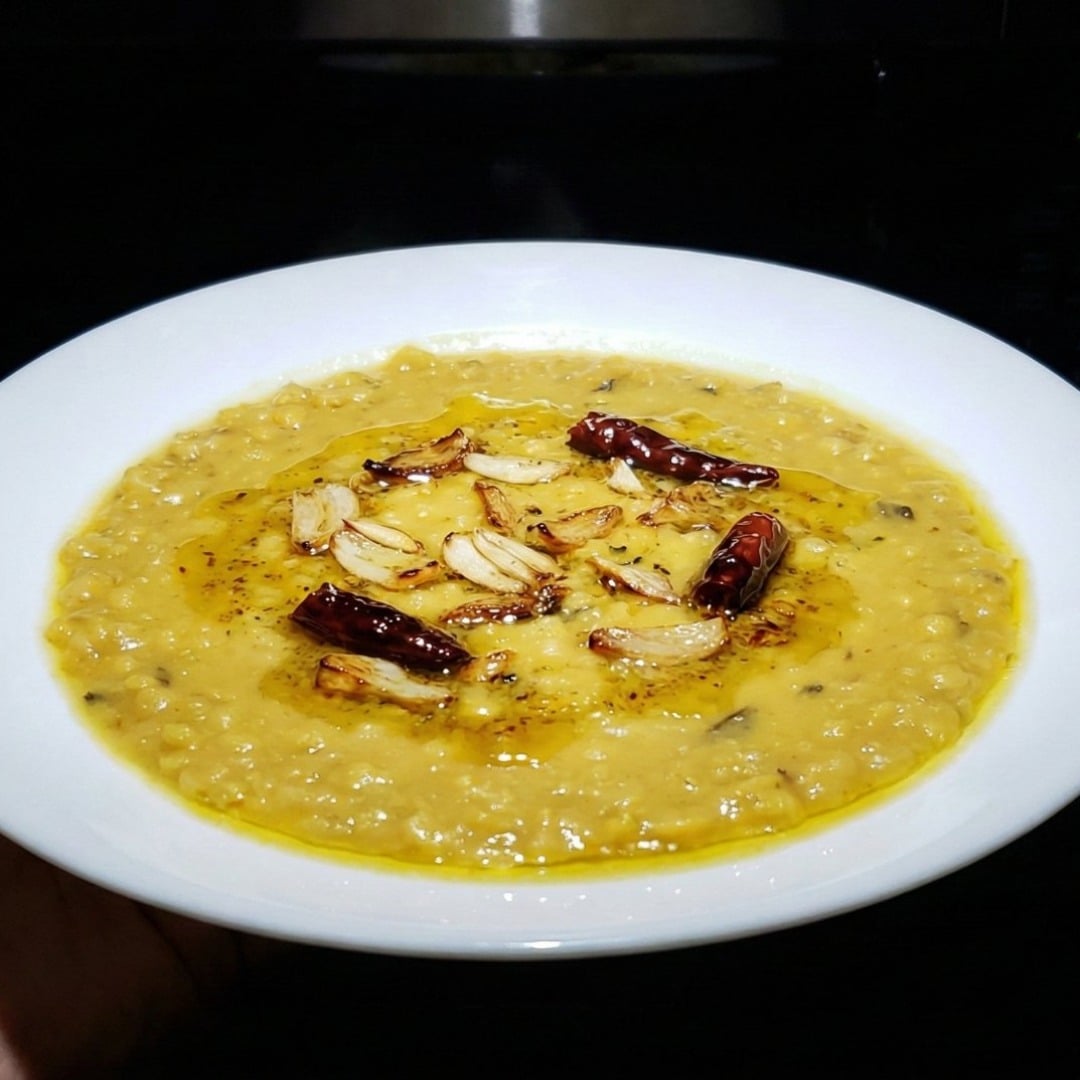
3AM Dal Tadka Cravings
The ultimate comfort food. Toor dal cooked until creamy and tempered with garlic and ghee. Ready in 20 minutes with a pressure cooker.
 Medium
Featured Recipe
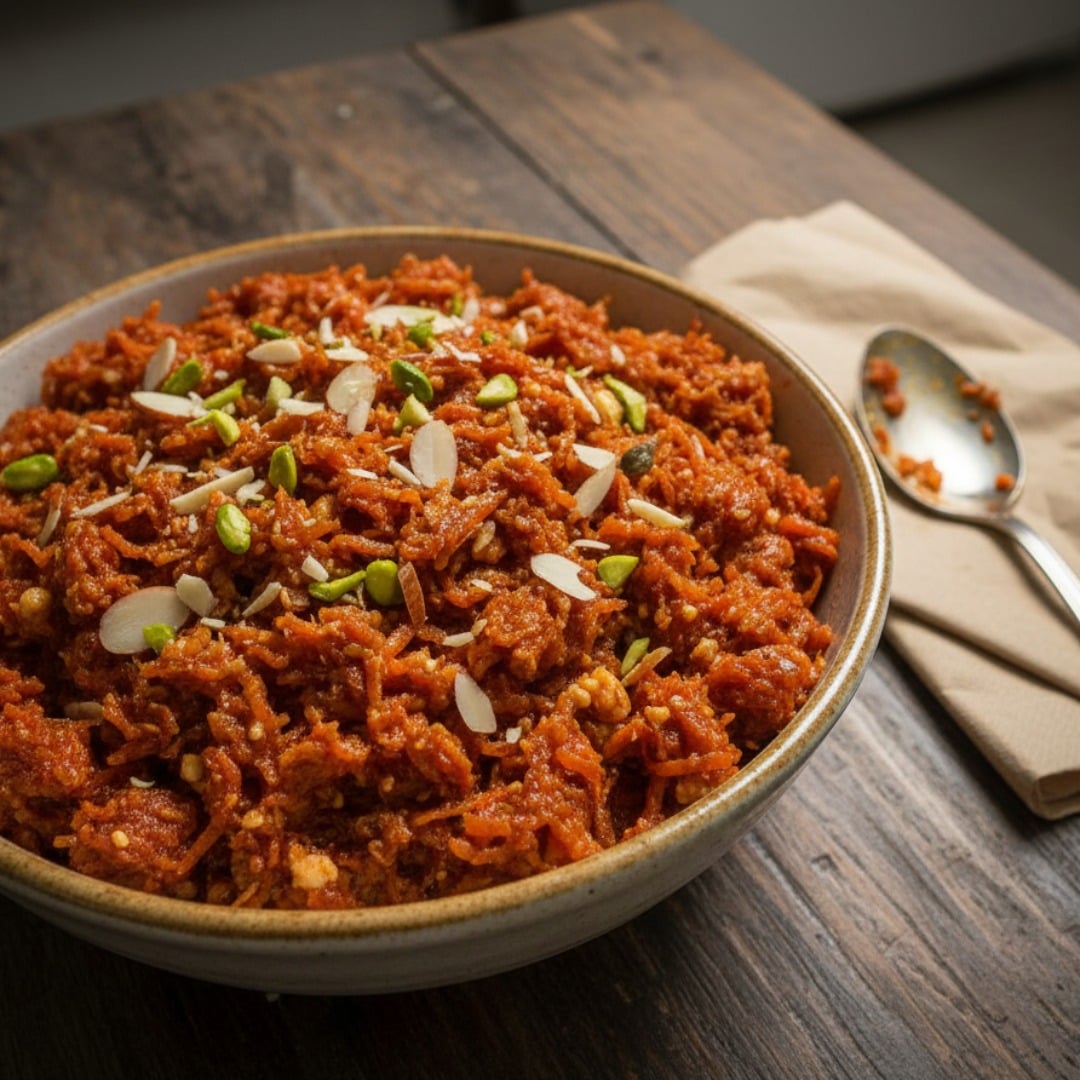
Gajar Ka Halwa (Arm Workout Edition)
Red Delhi carrots slow-cooked in milk. No condensed milk shortcuts here! This takes time and lots of stirring, but tastes like love.