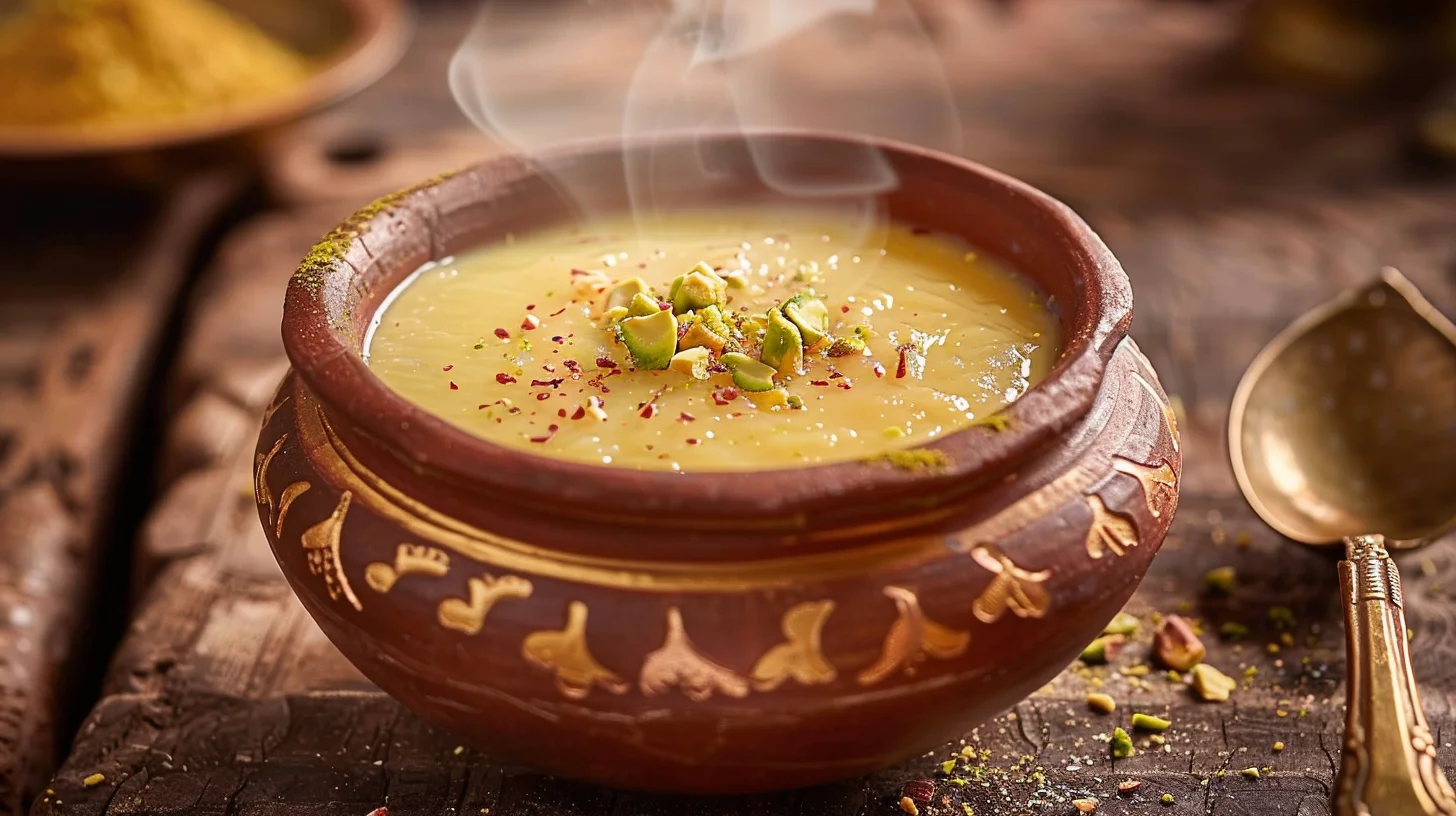
Mishti Doi: A Complete Guide to Bengal's Caramelized Sweet Yogurt
 MasalaBear Team
Mishti doi is Bengal's caramelized sweet yogurt — silky, jaggery-kissed, and set in porous clay pots. A complete guide to its history, the three sugars, and why earthen vessels matter.
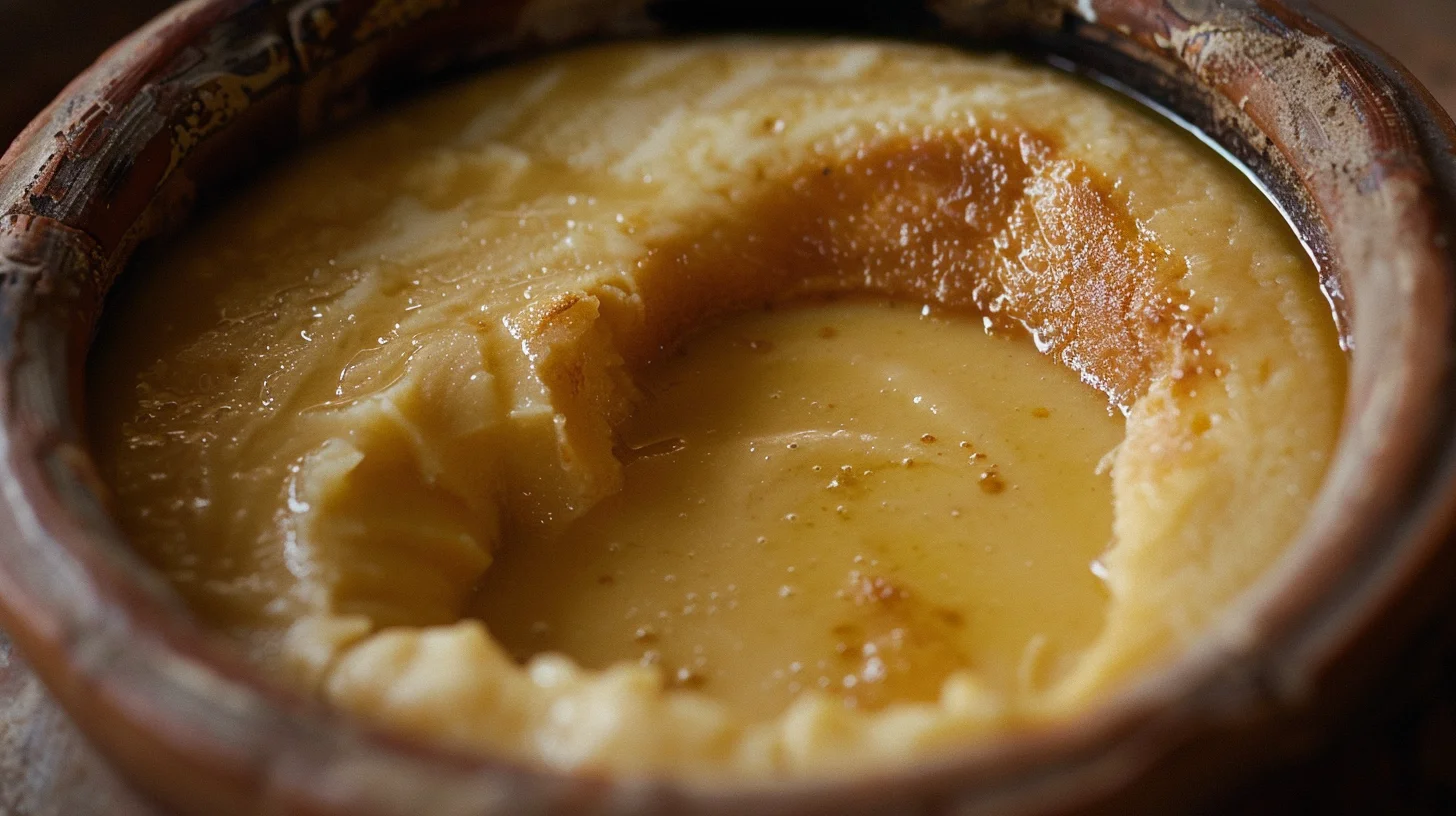
Most first-time visitors to Kolkata are warned about a few things — the trams, the traffic, the monsoon — and then handed a small terracotta pot of something that looks like pudding but isn't quite. The spoon sinks in and hits resistance. The surface is faintly browned. The taste is yogurt, but also caramel, but also something mineral and cold that you can't place.
That is mishti doi. Bengal's sweet yogurt. The dessert that isn't a dessert and the yogurt that isn't quite yogurt.
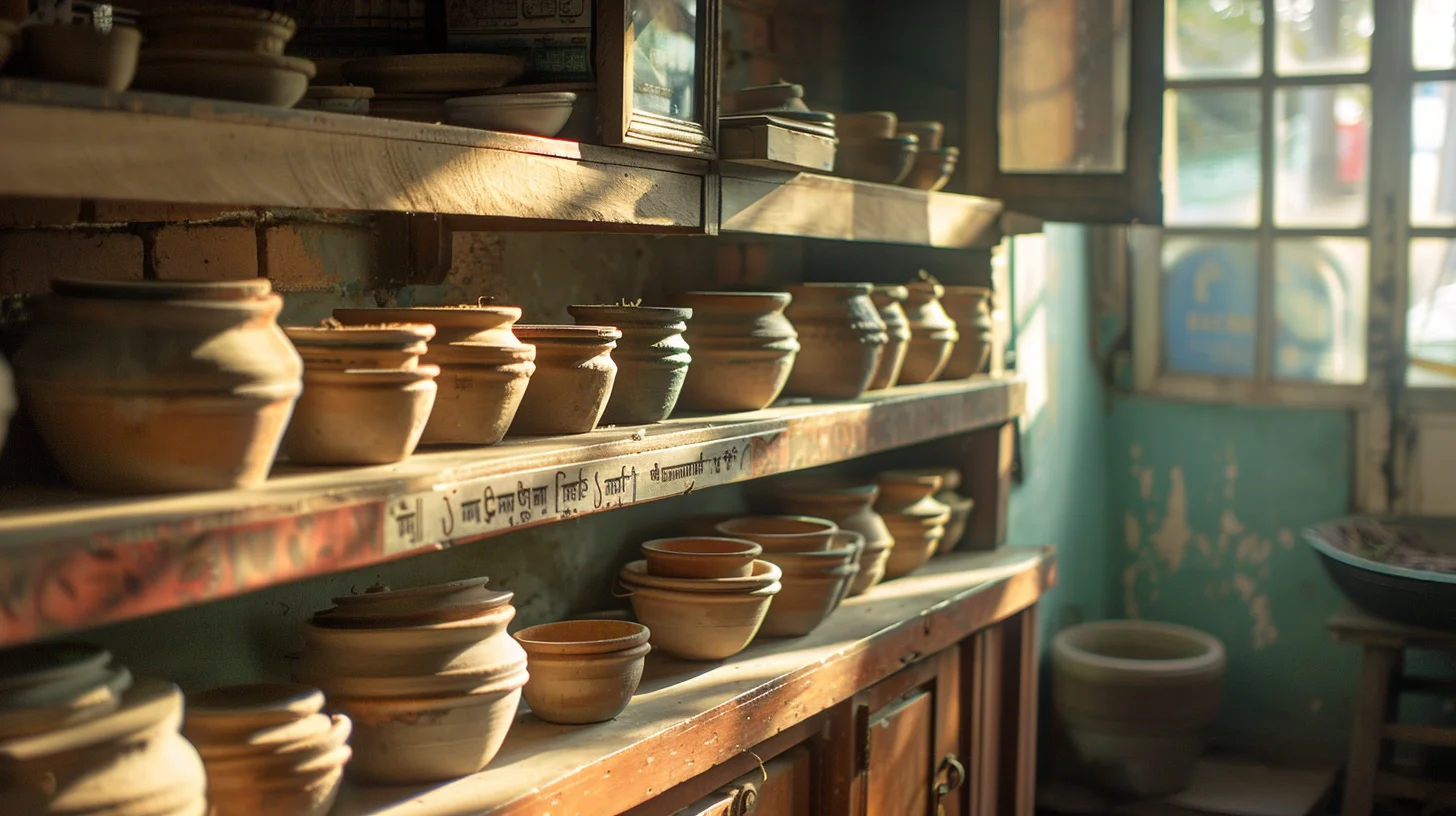
Every mishti dokan (sweet shop) in Kolkata has a wall of these small unglazed pots, stacked three or four deep, waiting for customers. You buy it by the pot — no packaging, no plastic. You eat it with a flat wooden spoon (or just tilt the pot and drink it slowly like tea). And then you return the empty pot to the shop or leave it outside your door, because the clay is the real container and the doi inside was just passing through.
Tip
How mishti doi is made
At its core, mishti doi is three ingredients: milk, sugar, and a yogurt starter culture. What makes it mishti doi rather than regular yogurt is what you do to the milk before fermentation.
Step 1: Reduce the milk
Full-fat milk is simmered — usually for 30-45 minutes — until it reduces by about a third. This concentrates the milk solids, which are what give mishti doi its thick body. You're not making khoa; you're not fully evaporating it. You just want thicker, creamier milk with noticeably more body.
Step 2: Caramelize the sugar
Separately (or, in traditional shops, in the same pot once the milk is set aside), sugar or jaggery is cooked down to a deep amber caramel. This is the move that distinguishes mishti doi from any other sweet yogurt. The caramelized sugar is what gives the finished doi its warm golden color and a round, almost roasted sweetness that plain sugar could never deliver.
Step 3: Combine, culture, and set
The caramel is stirred into the warm reduced milk, off the heat. A small amount of previous mishti doi (or plain yogurt) is mixed in as a starter culture. The entire mixture is poured into unglazed terracotta pots and left undisturbed in a warm spot for 6-10 hours. During that time, the culture ferments, the clay wicks out moisture, and the doi slowly tightens into its final silky set.
The three sugars: white sugar, jaggery, and nolen gur
Not all mishti doi is sweetened the same way. The sugar you use determines the color, the flavor, and the season in which the doi is eaten. This is the single most important variable in a mishti doi recipe.
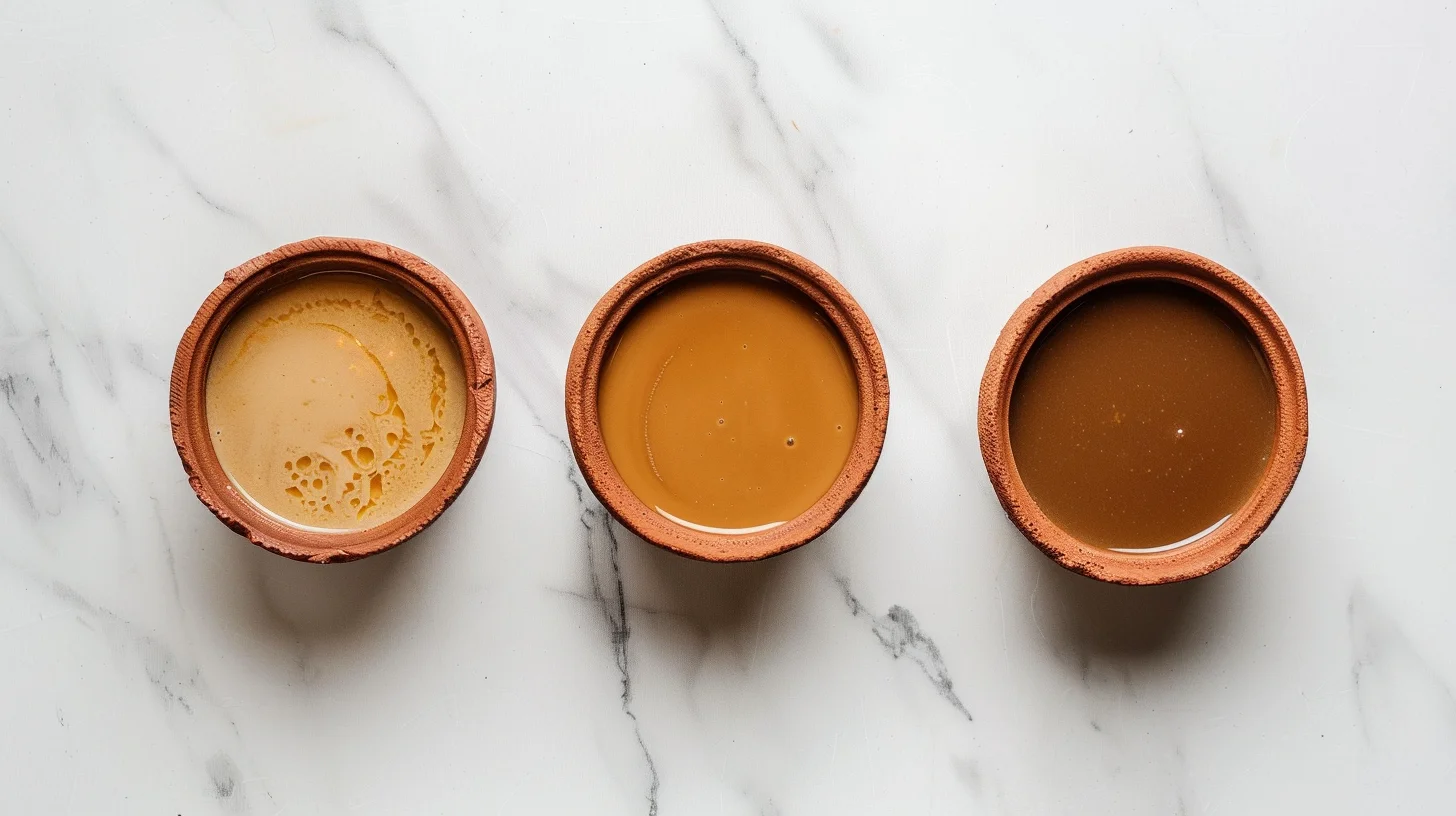
White sugar mishti doi — the year-round classic
Pale ivory to light caramel in color, depending on how deeply the sugar is browned. Gentle, mellow sweetness with a clean yogurt tang. The most common style you'll find in sweet shops year-round, and the easiest to replicate at home. Good for first-timers — the flavors are forgiving.
Jaggery mishti doi — the deeper, everyday option
Made with regular cane jaggery (gur), this version is deeper brown with a pronounced molasses note and a slight woodsy edge. Available year-round but more common in winter. Sweeter and more assertive than the white-sugar version. Pairs well with luchi (puffed fried bread) for breakfast.
Nolen gur mishti doi — the seasonal king
Nolen gur (fresh date palm jaggery, harvested November through February) is Bengal's winter treasure. Nolen gur mishti doi has a distinctive smoky-caramel aroma that tastes nothing like cane jaggery — it's closer to a muted maple syrup with dried-fruit depth.
This version is seasonal. You can only get it when the fresh nolen gur is available, which means Bengalis have a roughly four-month window each year to eat it. The scarcity is part of the appeal. A good Kolkata sweet shop will have a line out the door in December when the nolen gur doi arrives.
Why earthen pots matter
You can technically set mishti doi in a glass jar or ceramic bowl. But the result won't be the same doi. The clay pot is not incidental — it is load-bearing.
Porosity and moisture control. Unglazed terracotta is slightly porous. As the yogurt ferments, water gradually wicks through the walls and evaporates. This concentrates the milk solids and gives the finished doi its characteristic firm-but-silky set. A non-porous container locks the moisture in, producing a softer, wetter yogurt that never quite tightens the same way.
Flavor from the vessel. New clay pots lend a faint mineral earthiness to the doi. Bengali sweet shops often use freshly-fired pots for premium batches for exactly this reason. The doi picks up a subtle, almost imperceptible dry-clay note that rounds the sweetness.
Temperature regulation. Clay is a moderate insulator. It warms and cools slowly, which gives the yogurt culture a stable fermentation environment compared to metal (too fast) or plastic (too variable).
Cultural form. And finally — this matters even if it doesn't change chemistry — the pot is the dish. You don't serve mishti doi from a pot onto a plate. You eat it from the pot. The ritual of lifting the small warm terracotta, spoon in hand, is part of what mishti doi is.
Mishti doi vs shrikhand vs matka kulfi
Three creamy Indian desserts that get confused. Here's how they differ.
| Mishti doi | Shrikhand | Matka kulfi | |
|---|---|---|---|
| Region | Bengal | Gujarat / Maharashtra | Mumbai / North India |
| Base | Fermented sweetened milk | Strained thick yogurt | Reduced sweetened milk (no fermentation) |
| Texture | Silky set, spoonable | Whipped and fluffy | Dense, icy, frozen |
| Color | Golden caramel | Pale cream (saffron: yellow) | White or pale pink |
| Sweetness | Deep caramelized | Light, dairy-forward | Sweet with cardamom |
| Temperature | Room temp or chilled | Chilled | Frozen |
| Vessel | Unglazed clay pot | Any serving bowl | Clay matka (for kulfi) |
The core difference: mishti doi is fermented and caramelized. Shrikhand is strained and whipped. Matka kulfi is reduced and frozen. None of them is a substitute for the others.
Troubleshooting mishti doi at home
Problem: My doi didn't set
Two likely causes. First, the starter culture was too old or inactive — fresh yogurt with live cultures is essential. Second, the ambient temperature was too cold. Yogurt cultures need roughly 30°C (86°F) to activate. In winter, wrap the pots in a towel and keep them in a warm closet or a turned-off oven with the light on.
Problem: My doi is too sour
You let it ferment too long. Bengali mishti doi is traditionally less tangy than plain yogurt — the target is sweet with a whisper of tang, not a full sour. Next time, reduce fermentation to 6 hours and taste. You can also refrigerate early to slow the culture.
Problem: My doi is grainy
The milk was either reduced too far (fat separated) or the caramel was added when the milk was too hot (curdled). Reduce the milk gently, let it cool to just warm before adding caramel, and stir slowly.
Problem: My doi won't pull away from the pot
The clay isn't porous enough, or the fermentation wasn't long enough for the water to wick out. Try unglazed pots specifically (most "terracotta" pots sold for decor are lightly glazed). If your pot is the issue, the doi will still taste right, just soft.
Problem: The caramel sank to the bottom
The caramel was too cool when added and didn't fully dissolve. Keep the caramel warm and pour it into the milk in a steady stream while stirring vigorously.
How to serve mishti doi
Cold, from the pot, with a wooden or steel spoon. That's the standard. No garnish needed — but if you want to elevate it, a pinch of coarse pistachio or almond slivers on top adds a nice textural contrast without fighting the flavor.
Mishti doi also works as the base for a Bengali-style doi preparation with fresh seasonal fruit — mango in summer, pomegranate in winter. Bengali weddings often serve mishti doi as the final course, after the main meal, as a palate reset and a sweet close.
It pairs shockingly well with savory breakfast foods. A spoon of mishti doi alongside a plate of luchi aloor dom is a classic Bengali morning.
 Easy
EasyFeatured Recipe
Mishti Doi (Sweet Yogurt) - The Quick Set Method
quick mishti doi using condensed milk. way faster than traditional method
Frequently asked questions
What is mishti doi?
Mishti doi is a Bengali dessert made by fermenting milk that has been reduced and sweetened with caramelized sugar or jaggery. Unlike regular yogurt, it's set in porous clay pots that absorb excess moisture, producing a silky, firm texture with a naturally caramelized golden color.
How is mishti doi different from regular yogurt?
Three things: it's pre-sweetened with caramelized sugar or jaggery before setting, its texture is firmer and smoother because the milk is reduced before fermentation, and it sets in unglazed clay pots that wick away moisture.
What is nolen gur and why is it special?
Nolen gur is fresh date palm jaggery, harvested in winter (November through February) in West Bengal. It's prized for its deep caramel aroma and smoky sweetness. Nolen gur mishti doi is a seasonal specialty you can only make when the fresh nolen gur is available.
Why does mishti doi set in clay pots?
Unglazed terracotta is porous — water slowly wicks out through the clay walls as the yogurt ferments, concentrating the milk solids and firming the texture. A glass or plastic container locks moisture in, producing a softer, wetter set.
How long does mishti doi take to set?
Standard home mishti doi takes 6-8 hours at a warm room temperature (around 30°C / 86°F) to set fully. Traditional shops let it set overnight for 10-12 hours.
Explore more
Want to round out a Bengali dessert spread? Browse our dessert collection for more Indian sweets, or discover Bengal's savory side in our guide to the best Indian curry recipes where Bengali fish curries like macher jhol and chingri malaikari get their deserved showcase. For another sugar-forward deep dive, see our breakdown of ghee vs butter in Indian cooking.
Have a family mishti doi recipe — maybe one with nolen gur from a specific Bengali village? Submit your recipe and share it with the community.