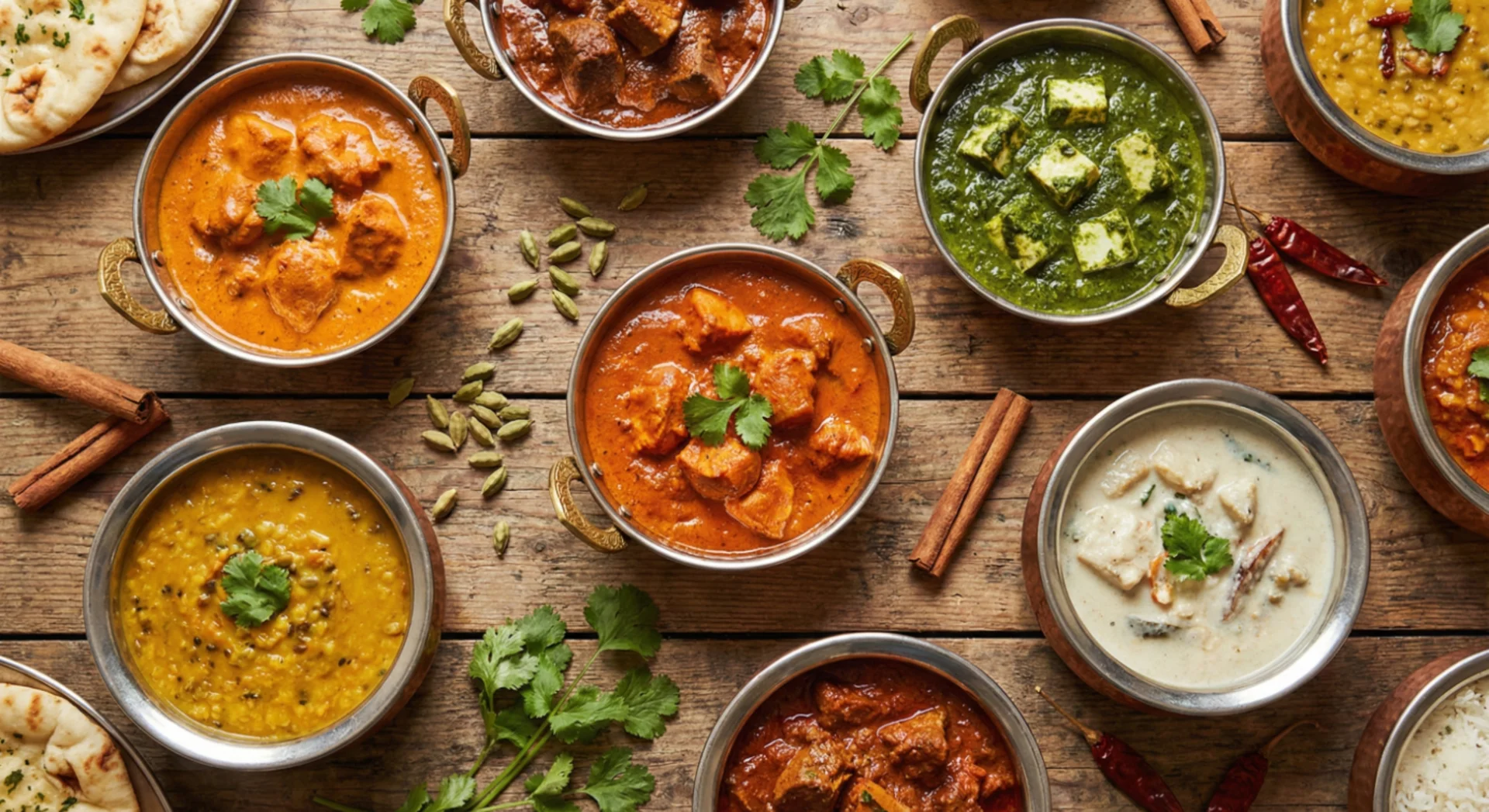
12 Best Indian Curry Recipes: Rich, Flavorful Dishes from Every Region
 MasalaBear Team
From creamy butter chicken to fiery Chettinad pepper chicken, these 12 Indian curry recipes showcase the best of regional cooking. Tested by home cooks, ready for your kitchen.
Indian curry isn't one dish - it's hundreds of regional traditions, family secrets, and local ingredients coming together in countless ways. From the creamy gravies of Punjab to the coconut-laced stews of Kerala, every state has its own curry identity.
MasalaBear is a community of home cooks sharing authentic family recipes. We've gathered 12 exceptional homemade curry recipes from cooks across India - each representing a different region, technique, or tradition. These aren't restaurant adaptations; they're the real dishes families make at home, tested and loved by the people who shared them.
Tip
North Indian Curries
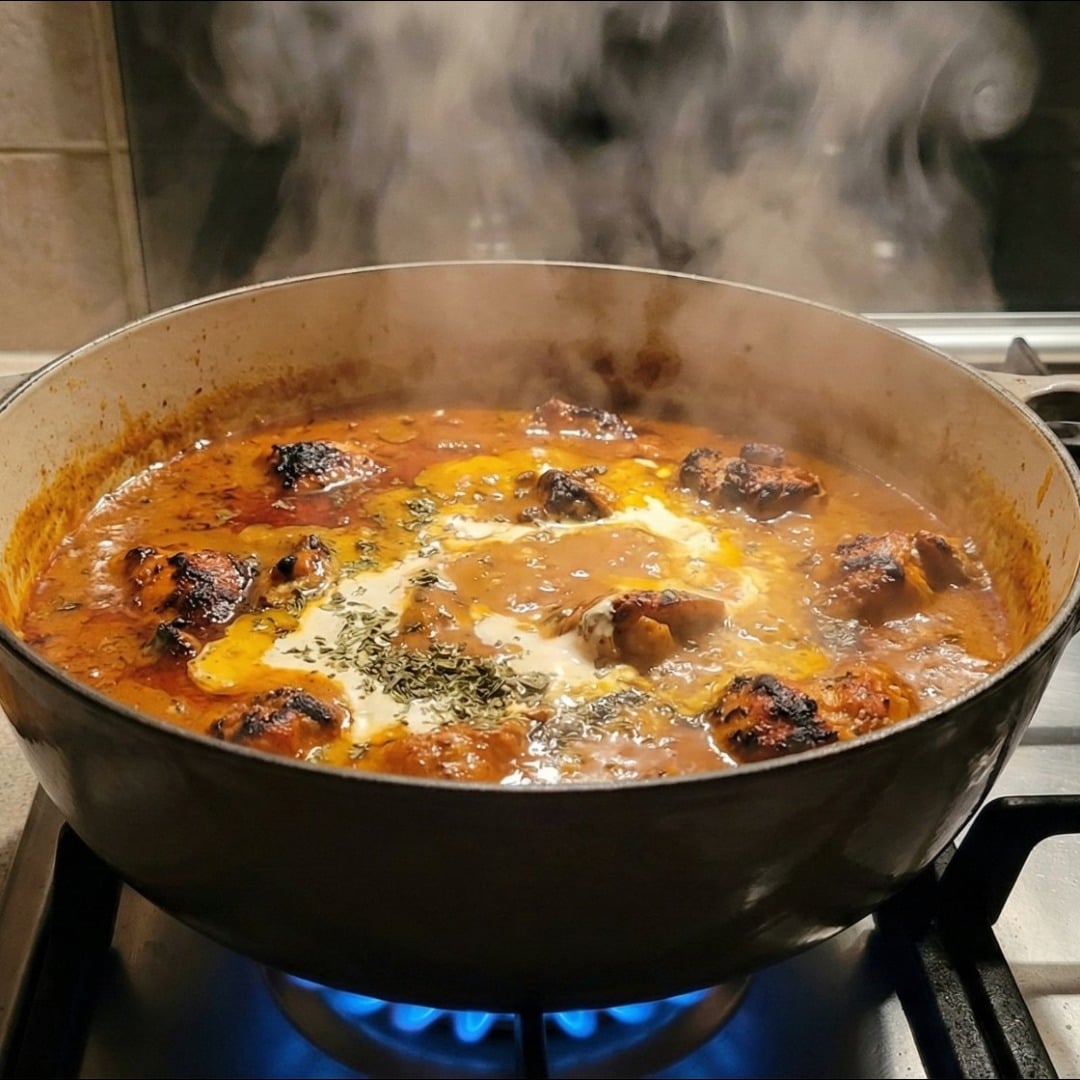
1. Butter Chicken (Murgh Makhani)
 Medium
Featured Recipe
My Ammi's 'Guest Special' Butter Chicken
Forget the sweet orange stuff you get in jars. This is the real deal with a smoky flavor. Kasuri methi at the end and lots of butter - don't be stingy.
This butter chicken comes from a home cook whose ammi made it exclusively for special guests - the kind of dish that made visitors feel truly honored. The secret is in the balance: enough cream for richness without drowning the tomato tang, and kasuri methi (dried fenugreek) for that signature restaurant flavor. It's mild enough for kids but complex enough to impress.
2. Kashmiri Rogan Josh
 Medium
Featured Recipe
Fiery Kashmiri Rogan Josh (Pressure Cooker Style)
weeknight pressure cooker rogan josh. sear the meat first thats the trick
A fiery lamb curry from the Kashmir Valley, this rogan josh gets its deep red color from Kashmiri chilies - all heat and color without the burn. The recipe comes from a cook who adapted their family's traditional method for the pressure cooker, cutting hours of cooking time while keeping the meat fall-apart tender. The fennel and ginger create an aromatic warmth that lingers.
3. Amritsari Chole
 Medium
Featured Recipe
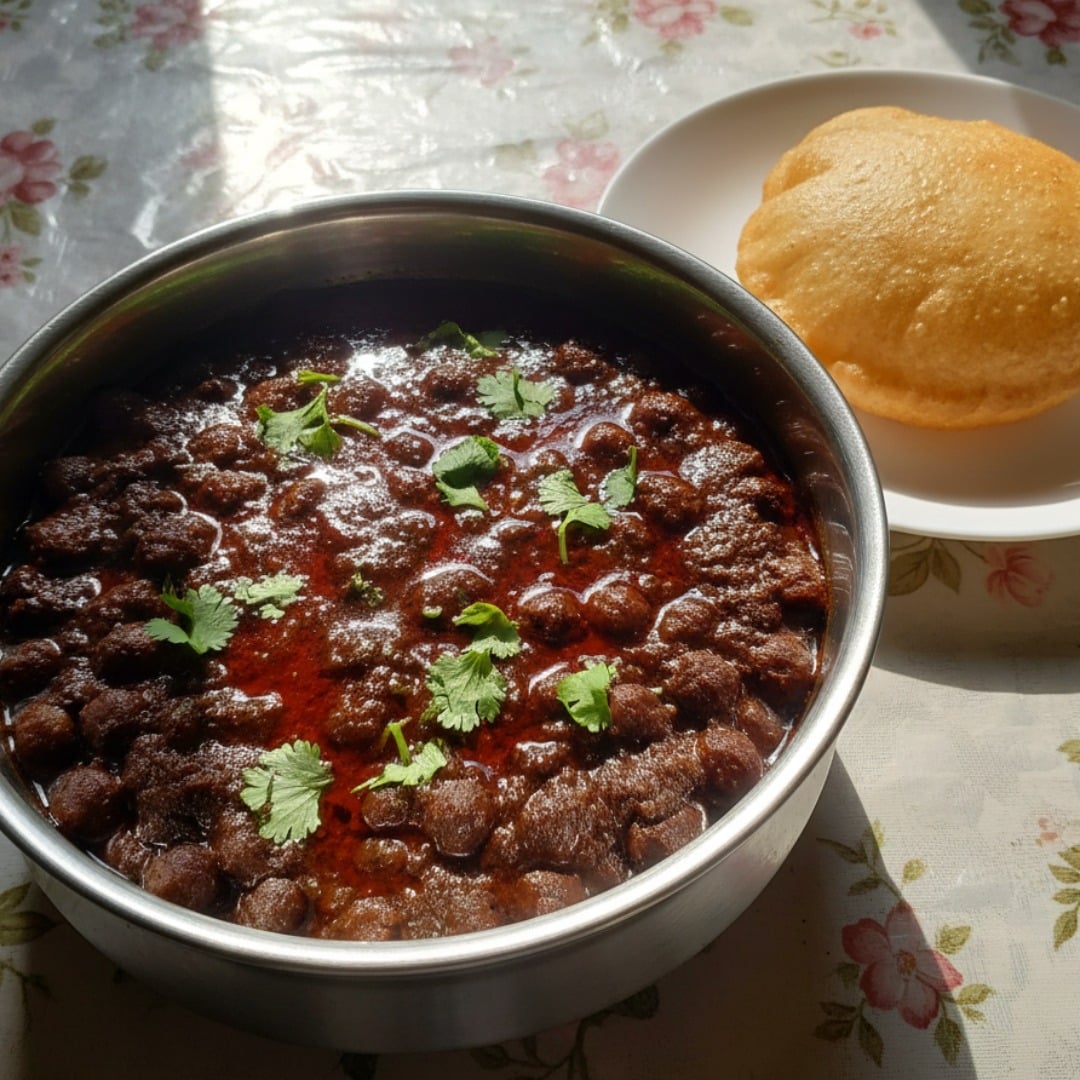
My Mother's Amritsari Chole That Won Hearts (and Arguments)
This is the chole recipe that made my Canadian husband cry on first bite. Dark, spicy, and cooked overnight like proper Punjabi households do. No pressure cooker shortcuts here!
This chickpea curry from Amritsar has a story behind it - a recipe that "won hearts and arguments" at family gatherings. The dark, earthy gravy comes from tea leaves (a classic Punjabi technique) and a slow-cooked onion-tomato base. Unlike the orange chole you'll find at buffets, authentic Amritsari chole is deeply spiced and almost black in color.
4. Rajma Chawal
 Medium
Featured Recipe
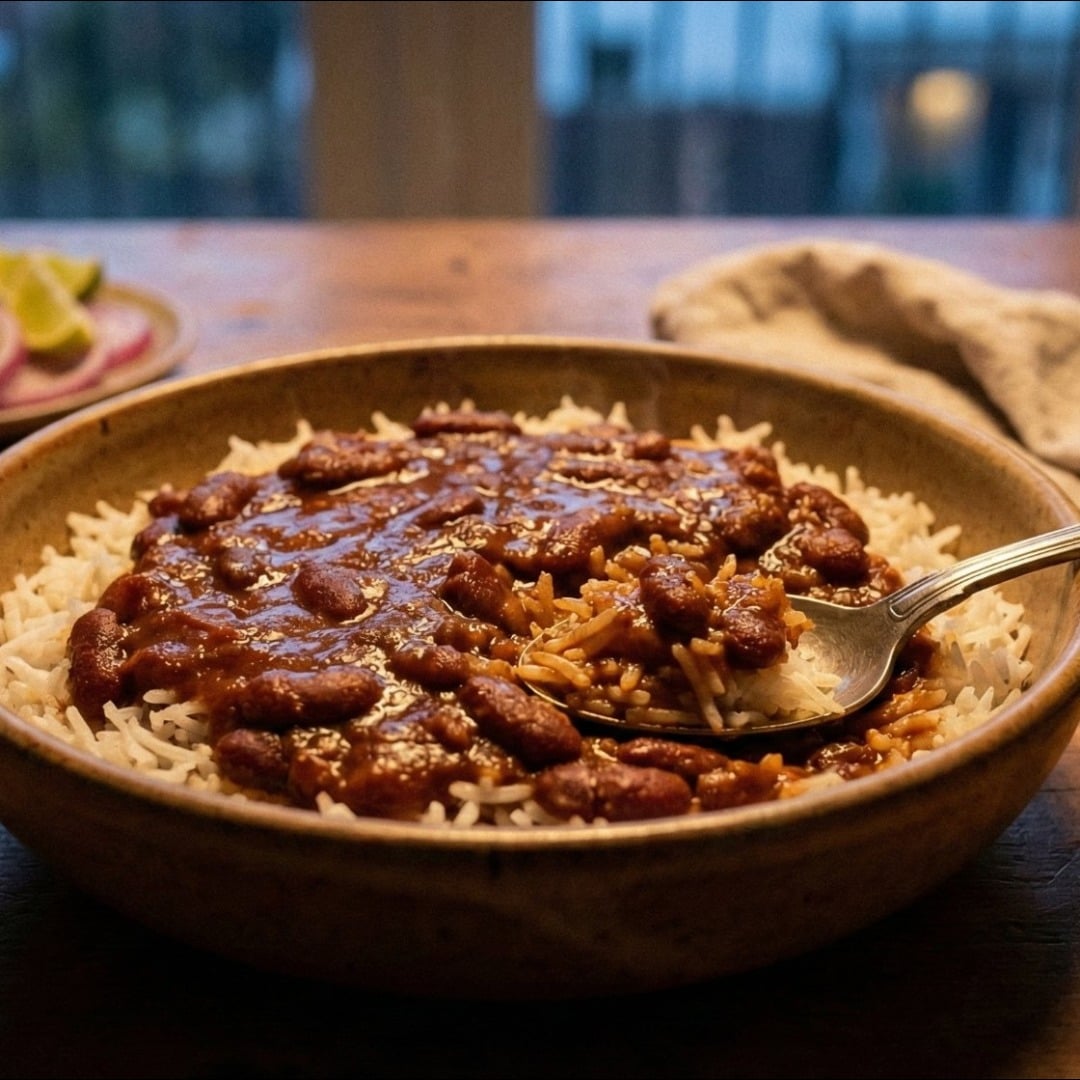
Rajma Chawal (The Ultimate Comfort Bowl)
Sunday lunch staple. The gravy should be thick and glossy, not watery. I use the dark red kidney beans for better flavor.
Every North Indian has an opinion about rajma - kidney beans in a thick, spiced tomato gravy. This version delivers what the cook calls "the ultimate comfort bowl": creamy beans that have absorbed hours of simmering spices, served over steaming basmati rice. It's the dish that brings families to the table on lazy Sundays.
South Indian Curries
5. Chettinad Pepper Chicken
 Medium
Featured Recipe
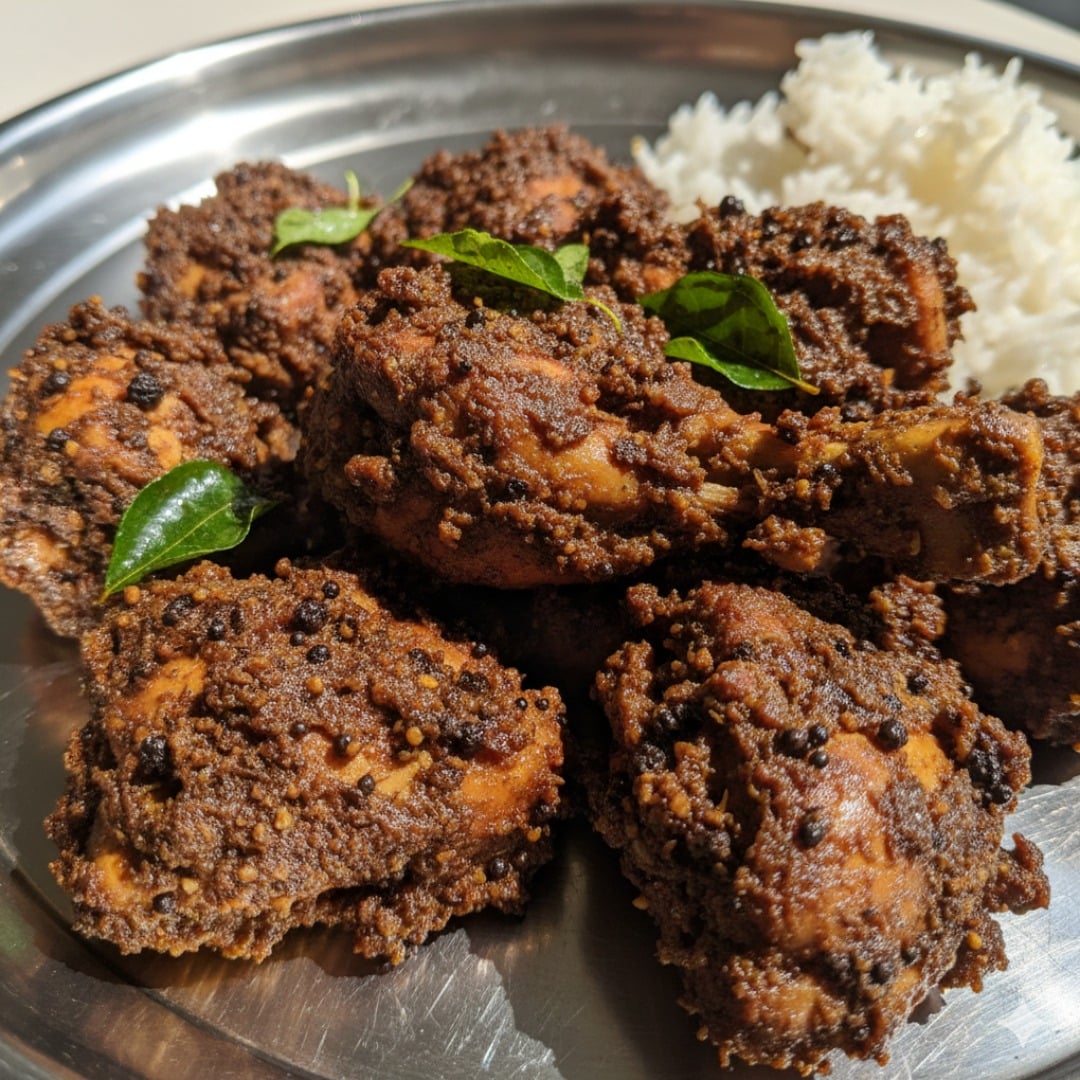
Chettinad Pepper Chicken (Spicy Warning!)
Not for the faint-hearted. This dry curry uses fresh ground black pepper and fennel. The aroma when you roast the spices is intoxicating.
From Tamil Nadu's Chettinad region comes this intensely peppered chicken curry - and yes, the "spicy warning" in the title is earned. Chettinad cuisine is famous for its bold use of black pepper and star anise, creating heat that's sharp and aromatic rather than just painful. This dry-style curry coats each piece of chicken in a dark, fragrant spice paste.
6. Kerala Vegetable Stew
 Easy
EasyFeatured Recipe
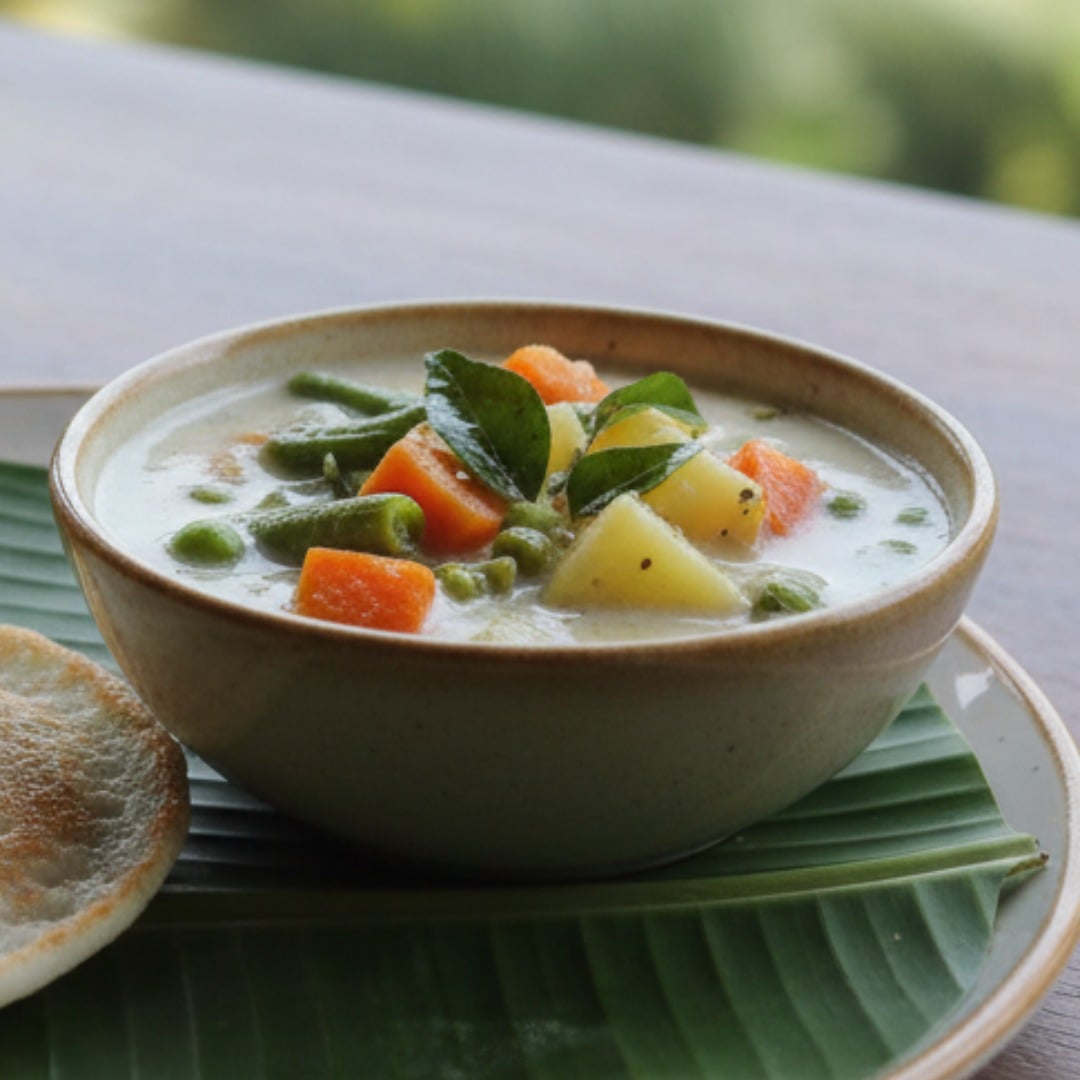
Kerala Vegetable Stew (Amma's Sunday Special)
sunday mornings at home smelled like this. fresh coconut milk only pls, canned is sad. dont boil after adding thick milk or itll curdle on u
This gentle coconut curry represents Kerala's Syrian Christian cooking tradition. Described as "Amma's Sunday special," it's a mild, aromatic stew where vegetables float in thin coconut milk infused with whole spices - green cardamom, cloves, cinnamon. It's traditionally paired with appam (rice hoppers) and proves that not all Indian curries need to be spicy to be spectacular.
7. Avial
 Medium
Featured Recipe
Avial (Kerala Veggie Stew)
A mix of native vegetables in a coconut-yogurt gravy. No turmeric allowed! It should be pale green-white and smell of coconut oil.
Another Kerala classic, avial is a mixed vegetable curry bound by coconut and yogurt. What sets it apart is the coconut paste - freshly ground with cumin and green chilies - stirred in at the end rather than cooked into the base. The result is a bright, fresh curry where each vegetable keeps its identity while sharing the creamy, tangy sauce.
Coastal & Eastern Curries
8. Goan Pork Vindaloo
 Hard
HardFeatured Recipe
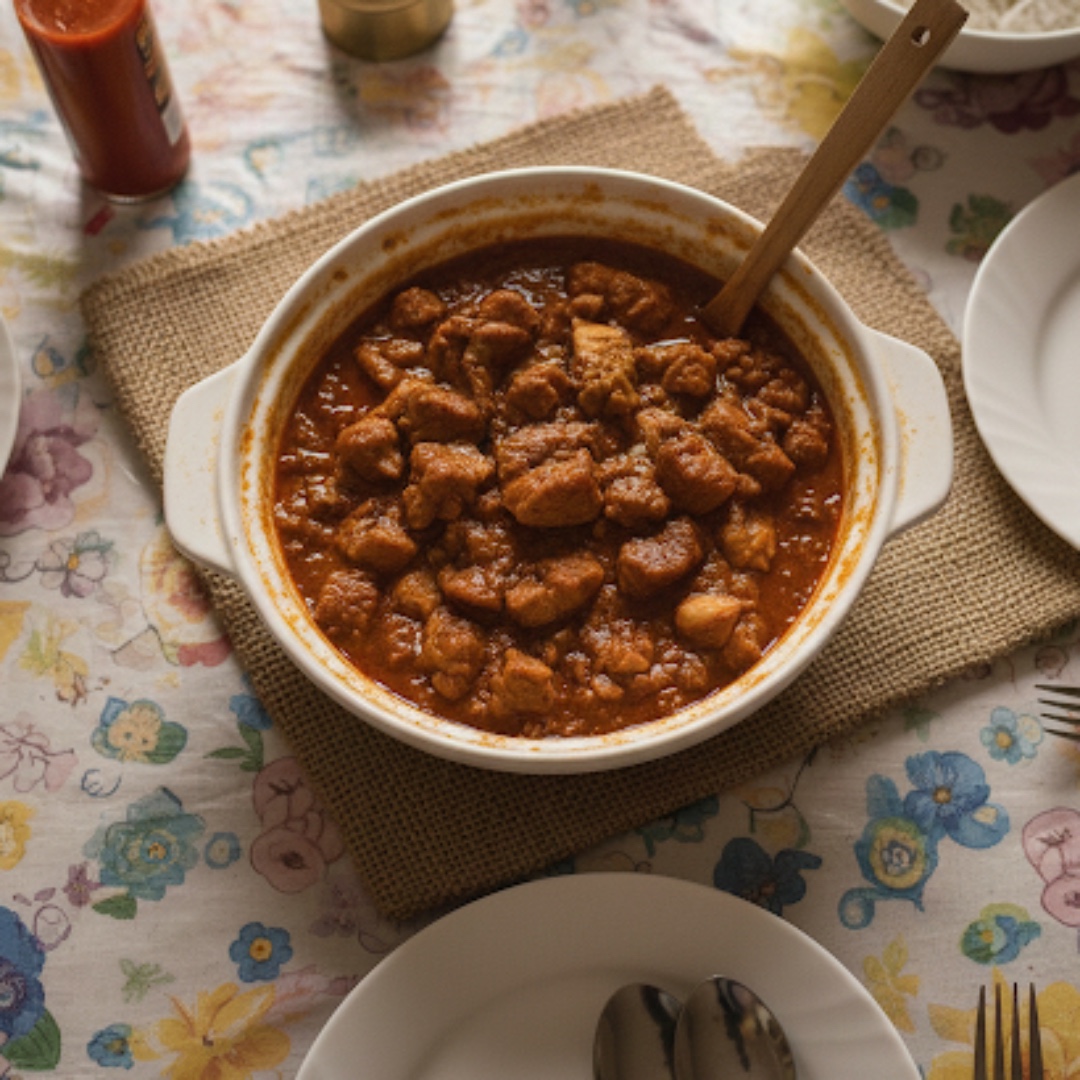
Pork Vindaloo (Better The Next Day)
It's NOT just about heat it's about the vinegar and garlic. This needs to mature for a day before eating for the flavors to meld. Don't rush it.
Real vindaloo is nothing like the British curry house version. This Goan Portuguese-influenced curry balances heat with vinegar tang - "better the next day" because the flavors meld and mellow overnight. The pork absorbs the fiery red marinade of dried chilies, garlic, and palm vinegar. It's meant to be intense, sour, and deeply satisfying.
9. Macher Jhol
 Medium
Featured Recipe
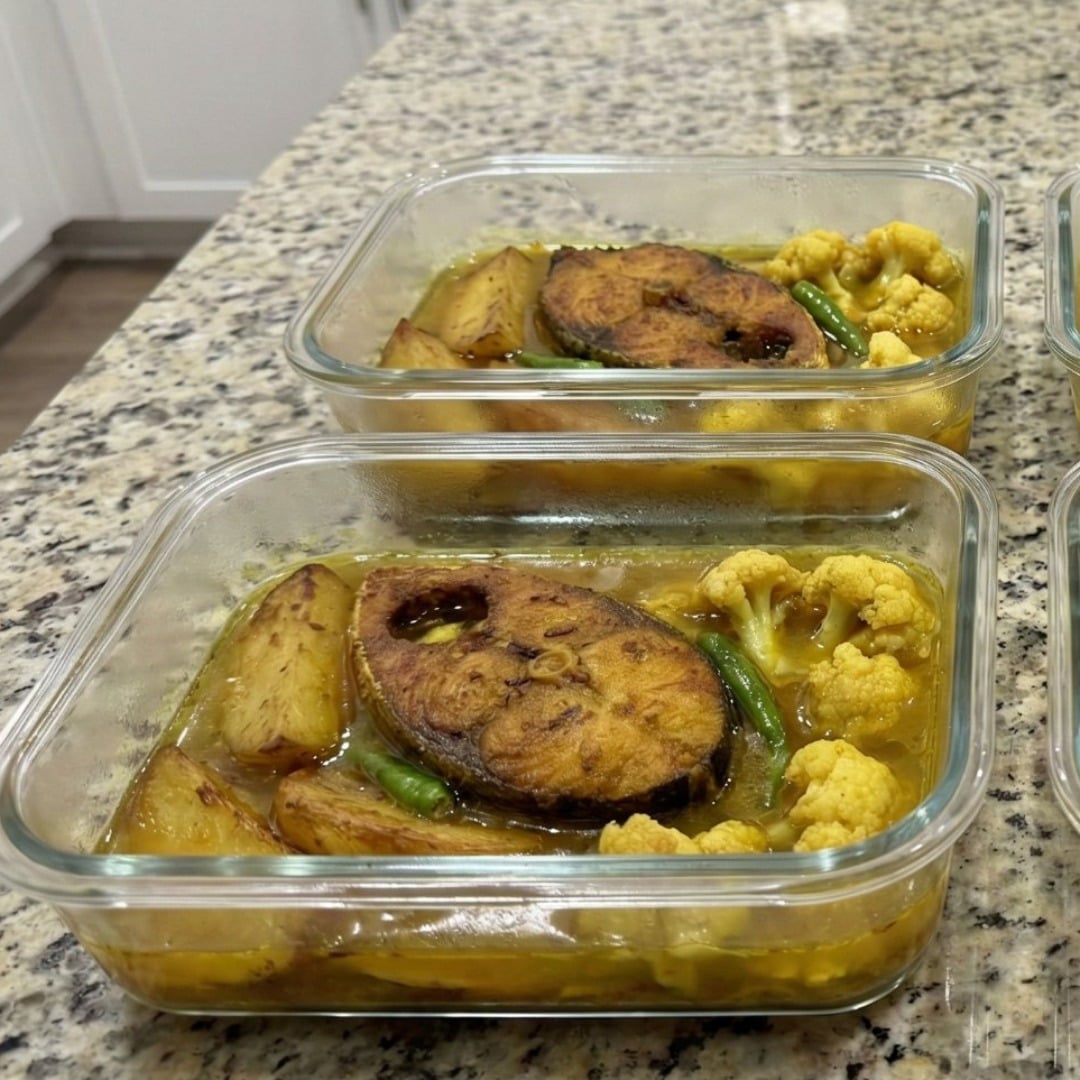
Macher Jhol (And Yes, You Need Mustard Oil)
A light, runny stew made with Rohu fish, potatoes, and cauliflower. The flavor comes from Panch Phoron and raw mustard oil. Don't sub with olive oil please.
Bengal's everyday fish curry is deceptively simple - and yes, as the recipe insists, you absolutely need mustard oil. That pungent, sharp oil is non-negotiable for authentic flavor. The thin, turmeric-yellow gravy lets the fish shine, with just enough spice to warm without overwhelming. It's comfort food for millions of Bengalis, eaten with rice daily.
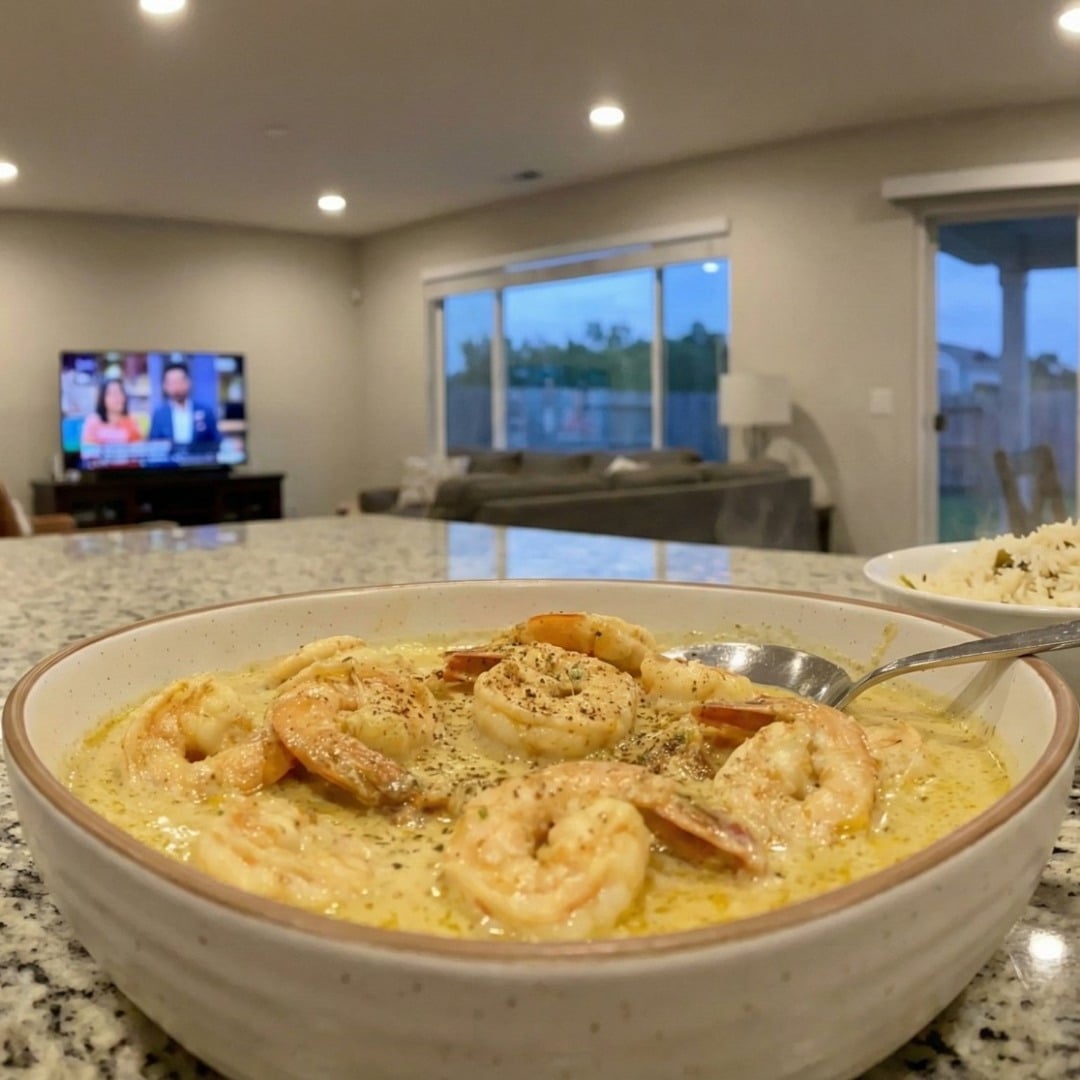
10. Chingri Malaikari
 Medium
Featured Recipe
Chingri Malaikari (Prawns in Coconut Cream)
bengali prawn curry in coconut milk. my moms recipe basically
Bengali prawn curry in coconut cream is pure indulgence. "Malai" refers to the rich coconut milk that turns this into something luxurious - prawns swimming in a sauce that's subtly sweet from coconut and warming from green cardamom. It's a celebration dish, the kind of curry that appears at weddings and festivals.
Regional Specialties
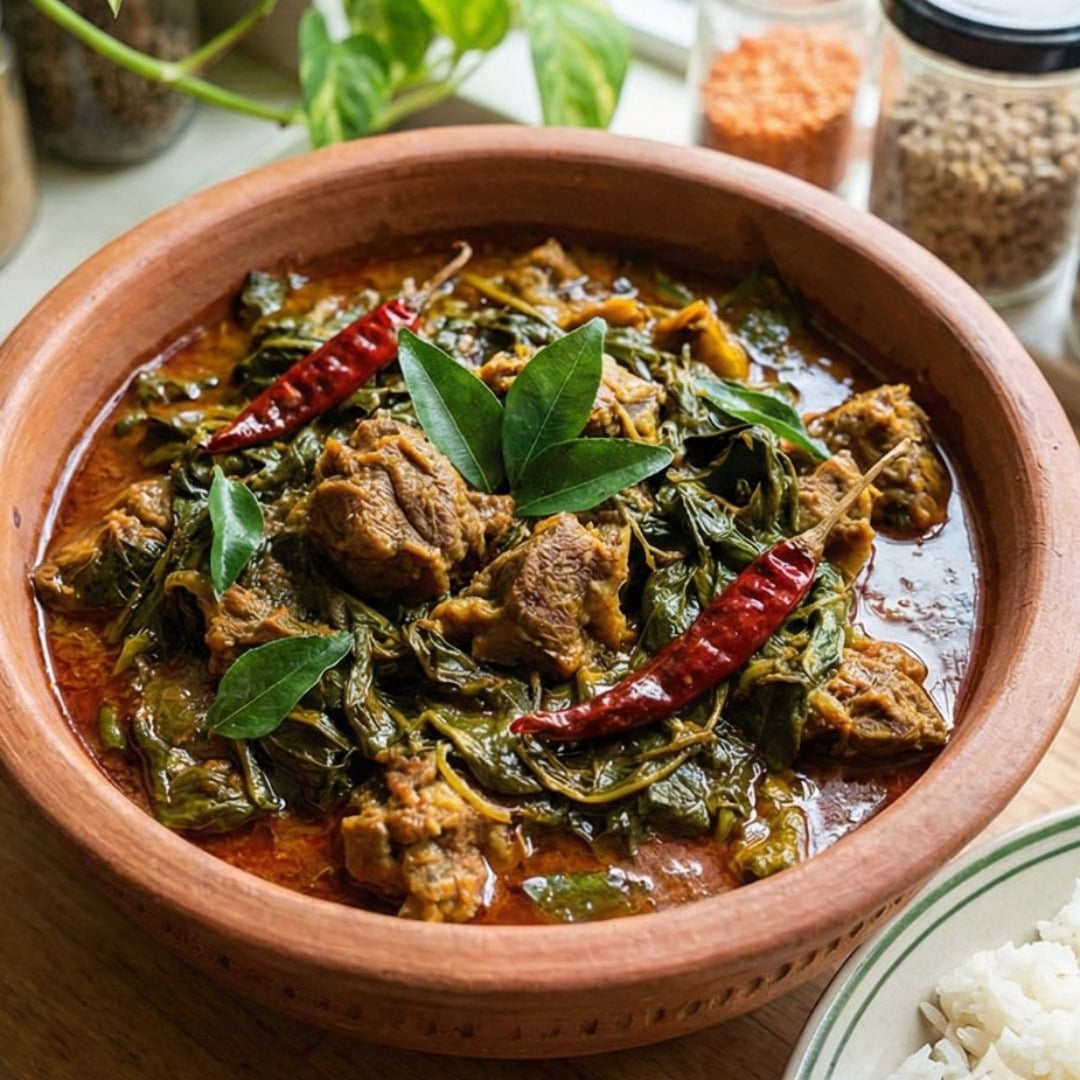
11. Gongura Mutton (Andhra)
 Hard
HardFeatured Recipe
Gongura Mamsam (Andhra Mutton Curry)
The pride of Andhra cuisine! This mutton curry gets its intense sourness from the gongura (sorrel) leaves and its kick from Guntur red chilies. It’s an acquired taste, but once you love it, there’s no going back. Best served with hot steamed rice.
Andhra Pradesh is famous for heat, and this mutton curry delivers - but it's the sourness that makes it special. Gongura (sorrel leaves) give the curry a distinctive tang that cuts through the rich lamb. This recipe, called "gongura mamsam" in Telugu, showcases Andhra's love for bold, aggressive flavors that wake up every taste bud.
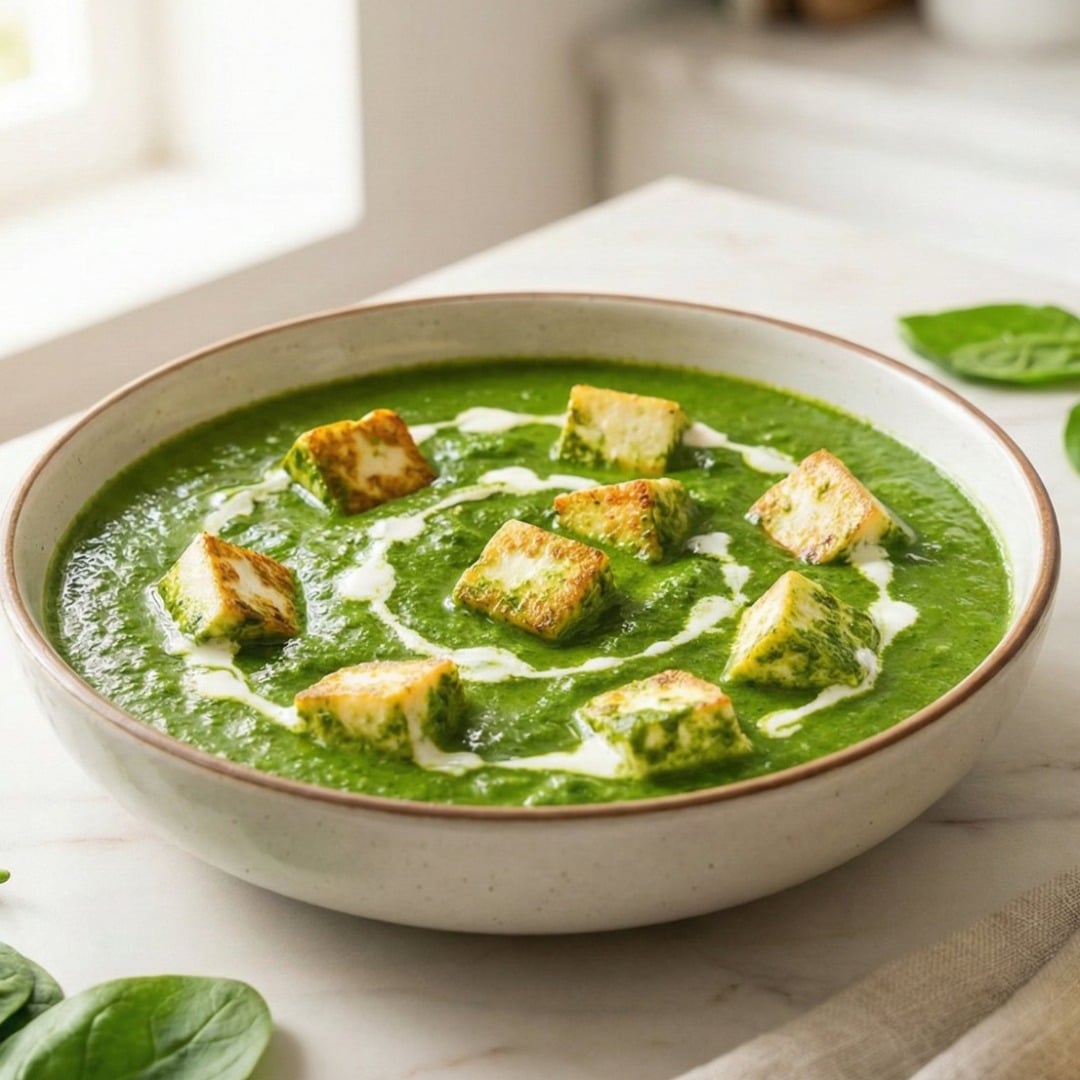
12. Palak Paneer
 Easy
EasyFeatured Recipe
Palak Paneer (But Actually Green)
A vibrant green curry that retains the nutrients of spinach. I don't overcook the greens, so it stays fresh and sweet. No brown sludge here!
Everyone knows palak paneer, but this version promises what restaurant versions rarely deliver: spinach that's "actually green." The trick is blanching the spinach and blending it quickly without overcooking. The result is vibrant, fresh-tasting saag wrapped around cubes of paneer - vegetarian comfort food that even meat lovers request.
How to Choose Your First Curry
New to Indian food? Start with butter chicken or palak paneer - easy, creamy, and forgiving for first-timers.
Like some heat? Try Chettinad pepper chicken or vindaloo - both pack serious spice but with distinct flavor profiles.
Prefer seafood? Macher jhol is light and everyday; chingri malaikari is rich and special-occasion.
Cooking vegetarian? Kerala stew, avial, rajma, and chole all prove that Indian vegetarian food is anything but boring.
Want to impress? Rogan josh and gongura mutton require more effort but deliver restaurant-quality results.
Regional Curry Guide
| Region | Signature Style | Best Example |
|---|---|---|
| Punjab (North) | Cream and tomato bases, rich and mild | Butter Chicken |
| Kashmir | Yogurt-based, aromatic, moderate heat | Rogan Josh |
| Goa | Vinegar tang, Portuguese influence, spicy | Vindaloo |
| Tamil Nadu | Black pepper heat, coconut, intense spicing | Chettinad Chicken |
| Kerala | Coconut milk, mild, whole spices | Kerala Stew |
| Bengal | Mustard oil, fish-forward, subtle spicing | Macher Jhol |
| Andhra | Extreme heat, tamarind and sorrel sourness | Gongura Mutton |
Frequently Asked Questions
What is the most popular Indian curry?
Butter chicken (murgh makhani) is the most popular Indian curry worldwide. Its mild, creamy tomato-based sauce appeals to beginners and curry lovers alike. In India, regional favorites like rogan josh in Kashmir, chettinad curry in Tamil Nadu, and vindaloo in Goa are equally beloved.
What are the 3 main types of Indian curry?
Indian curries fall into three main categories: cream-based (like butter chicken and korma using dairy), tomato-based (like tikka masala and vindaloo with tomato as the sauce foundation), and coconut-based (like Kerala stew and many South Indian curries using coconut milk). Each region has its signature style.
Which Indian curry is best for beginners?
Butter chicken is ideal for beginners - it's mild, creamy, and universally appealing. Palak paneer (spinach with cheese) is another gentle introduction. For those who want slightly more spice, chicken tikka masala offers familiar flavors with a bit more kick.
What makes Indian curry different from other curries?
Indian curries are distinguished by their complex spice layering - whole spices are often bloomed in oil (tadka), then ground spices build depth throughout cooking. Unlike Thai or Japanese curries that use paste bases, Indian curries typically build flavor from scratch using onion, ginger, garlic, and individual spices.
Is curry healthy?
Many Indian curries are nutritious. Spices like turmeric, cumin, and ginger have anti-inflammatory properties. Curries with vegetables, lentils, or lean proteins provide fiber and nutrients. However, cream-heavy restaurant-style curries can be high in calories - homemade versions let you control the fat content.
Explore More
Looking to dive deeper into specific styles? Browse our main course recipes or dal & curry collection for more regional variations. Or read our guide on Butter Chicken vs Tikka Masala to understand the difference between these two crowd favorites.
Have a family curry recipe that deserves to be shared? Submit your recipe and join our community of home cooks.