
Butter Chicken vs Tikka Masala: What's the Difference?
 MasalaBear Team
Butter chicken and tikka masala look similar but have different origins, ingredients, and flavors. Learn the key differences and which one to make tonight.
Tip
Walk into any Indian restaurant and you'll likely find both butter chicken and chicken tikka masala on the menu. They look remarkably similar - creamy, orange-hued curries with tender chicken pieces. So what's the difference?
At-a-Glance Comparison
| Feature | Butter Chicken | Tikka Masala |
|---|---|---|
| Origin | Delhi, India (1950s) | United Kingdom (1970s) |
| Also Called | Murgh Makhani | Chicken Tikka Masala (CTM) |
| Sauce Base | Butter, cream, tomatoes | Tomatoes, cream, spices |
| Spice Level | Mild to medium | Medium to spicy |
| Key Flavor | Buttery, rich, slightly sweet | Tangy, spiced, tomato-forward |
| Texture | Silky smooth | Slightly chunkier |
| Color | Orange-red | Red-orange |
The Origins: Two Different Stories
Butter Chicken: Born in Delhi
Butter chicken (murgh makhani) has a clear origin story. In the 1950s, Kundan Lal Gujral at Moti Mahal restaurant in Delhi created it as a way to use leftover tandoori chicken. He simmered the chicken in a rich sauce of tomatoes, butter, and cream.
The dish was an instant hit. The combination of smoky tandoori chicken with the luxurious butter-tomato sauce created something entirely new - and it quickly became one of India's most beloved dishes.
Note
Tikka Masala: The British Connection
Chicken tikka masala's origins are more contested - and more controversial. The most popular story credits a Bangladeshi chef in Glasgow, Scotland, in the 1970s. According to legend, a customer complained that his chicken tikka was too dry, so the chef improvised a sauce using tomato soup, cream, and spices.
Whether this specific story is true or not, tikka masala is undeniably a British creation. It was born from the adaptation of Indian flavors for British palates, and it became so popular that in 2001, British Foreign Secretary Robin Cook declared it "a true British national dish."
Key Ingredient Differences
The Butter Chicken Sauce
Butter chicken's sauce is all about richness and balance:
- Butter - The star ingredient, often 4-6 tablespoons per serving
- Cream - Heavy cream for silkiness
- Tomatoes - Usually pureed and strained for smoothness
- Kashmiri chili - For color without intense heat
- Kasuri methi - Dried fenugreek leaves (the secret ingredient)
- Garam masala - Subtle warming spices
- Sugar or honey - A touch of sweetness to balance
The sauce is typically strained or blended until completely smooth, giving it that characteristic velvety texture.
The Tikka Masala Sauce
Tikka masala has a bolder, more robust sauce:
- Tomatoes - More prominent, often diced or crushed
- Cream - Less than butter chicken
- Onions - Usually blended into the base
- Ginger-garlic - More pronounced
- Cumin and coriander - Earthier spice profile
- Paprika or cayenne - More heat
- Garam masala - Heavier hand with the spices
The sauce often retains more texture from the tomatoes and onions, giving it a slightly chunkier consistency.
Flavor Profile: What to Expect
Butter Chicken Tastes Like...
Imagine a warm hug in curry form. Butter chicken is:
- Rich and buttery (obviously)
- Mildly sweet with a subtle tanginess
- Creamy and smooth on the palate
- Gently spiced - the spices complement rather than dominate
- Slightly smoky from the tandoori chicken
The overall experience is comforting and indulgent. It's the dish that converts people who think they don't like Indian food.
Tikka Masala Tastes Like...
Tikka masala is butter chicken's bolder cousin:
- Tangy and tomato-forward
- Spicier with more noticeable heat
- Slightly less creamy than butter chicken
- More complex spicing with distinct cumin and coriander notes
- Charred chicken flavor from the tikka pieces
It has more "zing" and a livelier flavor profile overall.
Warning
The Chicken Preparation
Both dishes traditionally use marinated, grilled chicken - but there are differences:
Butter Chicken's Chicken
- Marinated in yogurt, ginger, garlic, and mild spices
- Traditionally cooked in a tandoor (clay oven)
- Can be grilled, broiled, or even pan-fried
- Pieces are typically larger
- Often added to the sauce and simmered briefly
Tikka Masala's Chicken
- Marinated similarly but often with more spice
- "Tikka" specifically means small pieces
- Traditionally skewered and grilled until charred
- Smaller, bite-sized pieces
- Usually has more char and smoky flavor
Which Should You Make?
Choose Butter Chicken If You...
- Prefer milder, creamier dishes
- Want something universally crowd-pleasing
- Are cooking for kids or spice-sensitive guests
- Love rich, indulgent comfort food
- Want an authentic Indian recipe
Choose Tikka Masala If You...
- Like more spice and tang
- Prefer tomato-forward flavors
- Want something with more "kick"
- Are feeding guests who like bold flavors
- Don't mind a dish with British-Indian origins
The Real Answer?
Make both. Seriously. They're different enough that you'll want both in your repertoire. Butter chicken for those cozy weeknights when you need comfort. Tikka masala for when you want something with more punch.
Common Misconceptions
"They're basically the same thing" No! While they look similar, the flavor profiles are distinctly different. Butter chicken is milder and richer; tikka masala is spicier and tangier.
"Tikka masala is the authentic one" Actually, butter chicken has the more "authentic" Indian origin. Tikka masala is a British adaptation.
"Butter chicken is unhealthy" It's definitely indulgent, but you can adjust the butter and cream ratios. And sometimes you need comfort food!
"They both have tikka chicken" While both use marinated grilled chicken, only tikka masala traditionally uses the specific "tikka" (small pieces, heavily charred) preparation.
Making Them at Home
Both dishes are surprisingly achievable for home cooks:
Tips for Butter Chicken
- Don't skimp on the butter (it's in the name!)
- Kasuri methi is essential - don't skip it
- Strain the sauce for restaurant-quality smoothness
- Let the chicken simmer in the sauce just until heated through
Tips for Tikka Masala
- Get good char on your chicken - it adds flavor
- Build layers of spice in the sauce
- Don't over-blend - some texture is good
- Add cream at the end to prevent curdling
The Verdict
Both butter chicken and chicken tikka masala deserve their place in the curry hall of fame. They're related but distinct - like cousins who grew up in different countries.
Butter chicken is the sophisticated Indian original: refined, elegant, and timelessly delicious.
Tikka masala is the bold British adaptation: confident, punchy, and unapologetically flavorful.
The real winner? Your taste buds, because now you know exactly what you're ordering - or making - next time.
Try Our Recipes
Ready to put this knowledge to work? We have both dishes waiting for you:
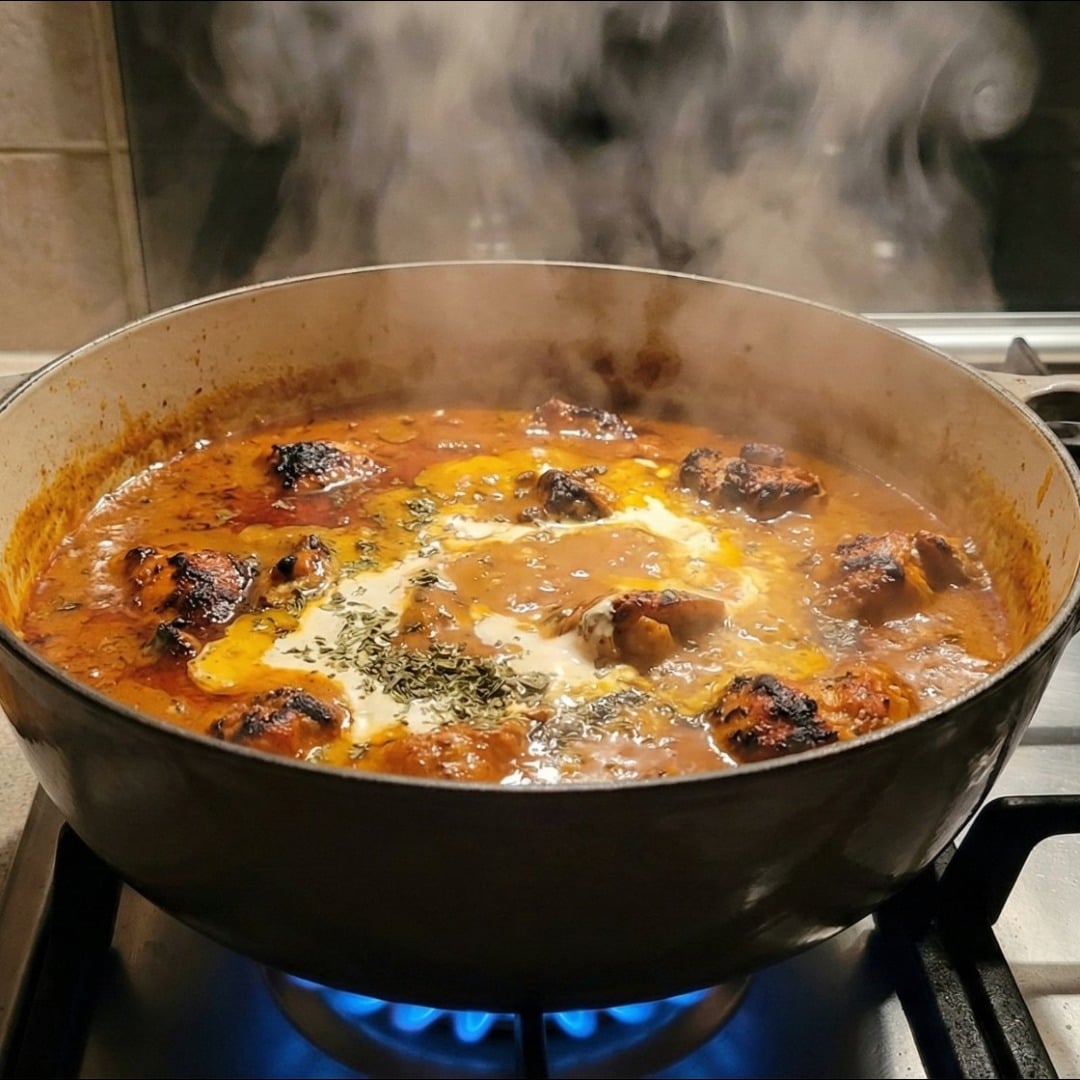 Medium
Featured Recipe
My Ammi's 'Guest Special' Butter Chicken
Forget the sweet orange stuff you get in jars. This is the real deal with a smoky flavor. Kasuri methi at the end and lots of butter - don't be stingy.
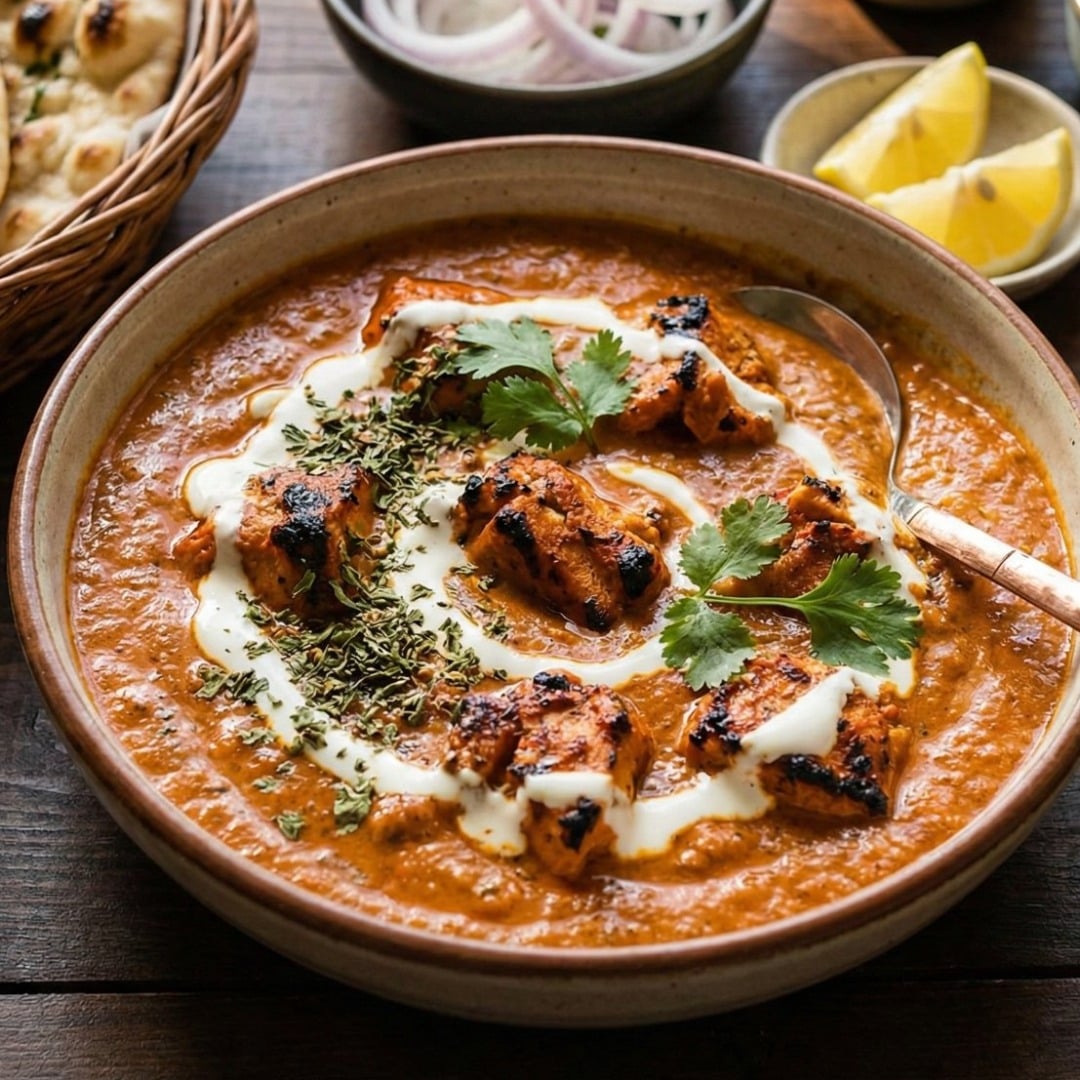 Medium
Featured Recipe
Zara's Chicken Tikka Masala - Photo Worthy
Tried several chicken tikka's and this is the one that's sure to please anyone. I mean ANYONE!
Making a night of it? See what to serve with butter chicken for the naan, rice, and sides that complete the meal - and our naan vs roti guide to pick the right bread for scooping.
Have a preference between butter chicken and tikka masala? We'd love to hear which one wins in your kitchen!