Low Calorie Indian Food: 20 Light, Healthy Dishes
 MasalaBear Team
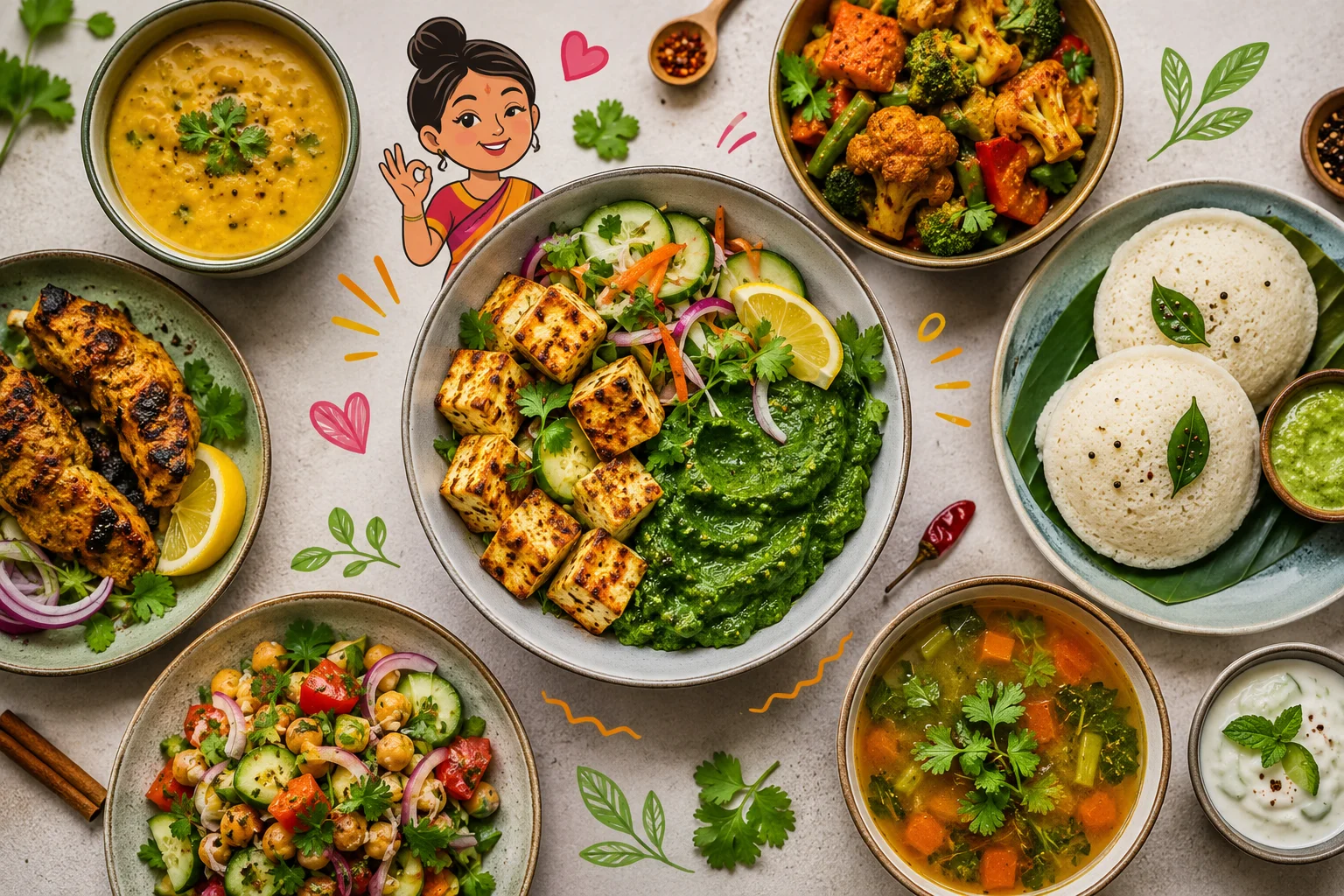
Indian food has a reputation for being heavy - but a lot of it is naturally light. Here are the low-calorie Indian dishes to order and cook, plus the simple swaps that cut the calories.
Tip
Indian food has a reputation for being heavy - all butter, cream, and deep-frying. And some of it absolutely is. But that reputation comes from restaurant menus and festival food, not from how Indians actually eat at home most of the time.
Pull back the cream and the fried stuff, and you find a cuisine built on lentils, vegetables, grilled meats, yogurt, and spices - much of it naturally light. Here's the low-calorie Indian food worth ordering and cooking, plus the swaps that turn a heavy dish into a lean one.
Warning
Low-Calorie Indian Dishes by Category
The lightest Indian food clusters into four groups: grilled proteins, dals and legumes, vegetable dishes, and light breakfasts. Build your meals from these and you're most of the way there.
1. Grilled and Tandoori (Highest Protein, Lowest Fat)
Tandoori cooking is inherently lean - meat marinated in spiced yogurt and grilled with almost no added fat.
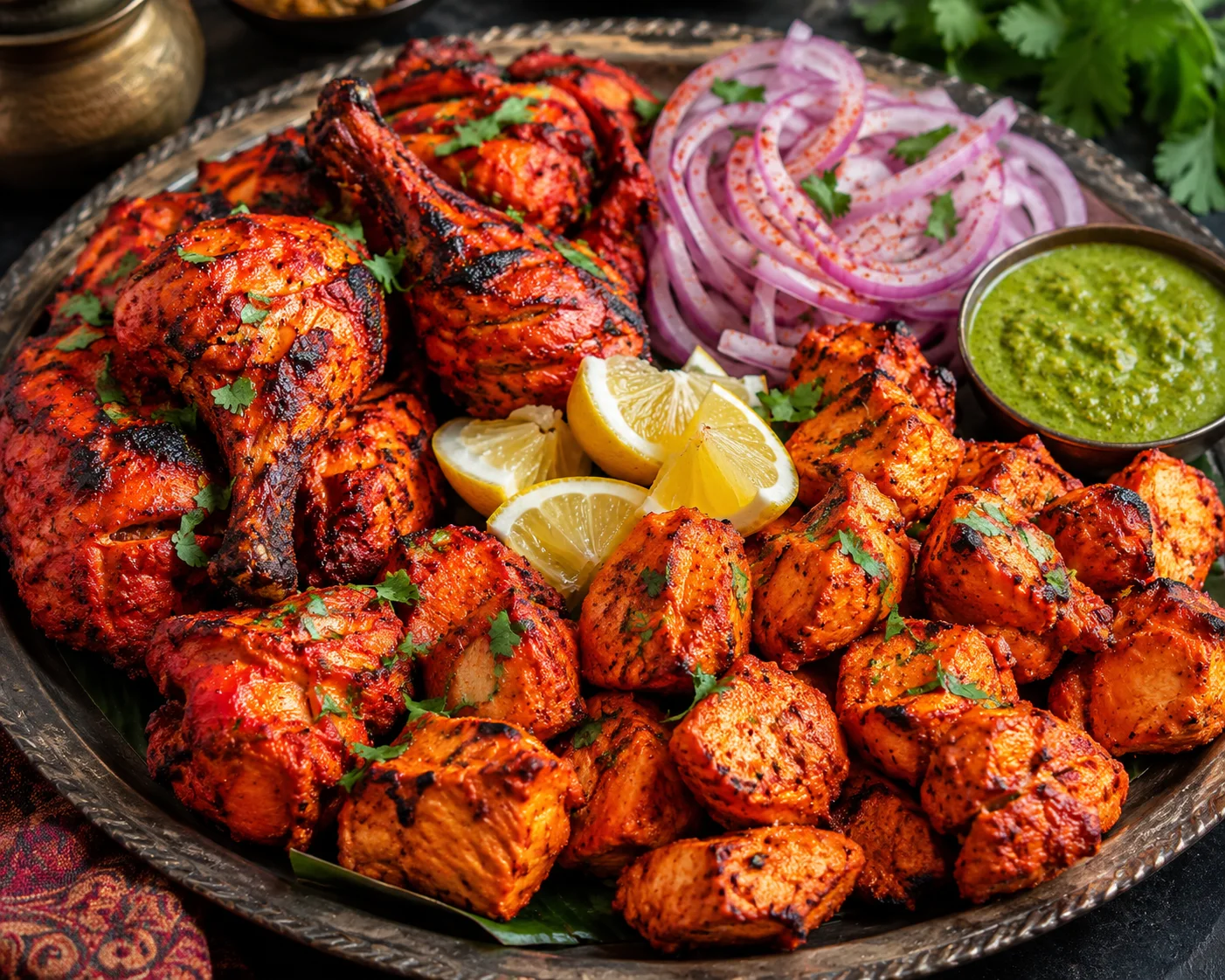 Tandoori and tikka dishes deliver big protein with almost no added fat - some of the lightest Indian food there is
- Tandoori chicken - yogurt-marinated, grilled, no breading (~200 cal/portion)
- Chicken tikka - boneless grilled pieces, big protein hit
- Fish tikka - light, fast, and packed with protein
- Seekh kebab - minced meat on skewers, no filler
- Paneer tikka - the vegetarian option, high protein from paneer
2. Dals and Legumes (Filling and Fiber-Rich)
Lentils are the quiet hero of light Indian eating - high in protein and fiber, deeply satisfying, and low in calories when the tempering is kept modest.
- Dal tadka / dal fry - yellow lentils, lightly tempered
- Moong dal - one of the lightest, most digestible lentils
- Chana / chole - chickpeas in a tomato-onion base (skip the bhatura)
- Rajma - kidney beans, hearty and protein-rich
 Easy
EasyFeatured Recipe
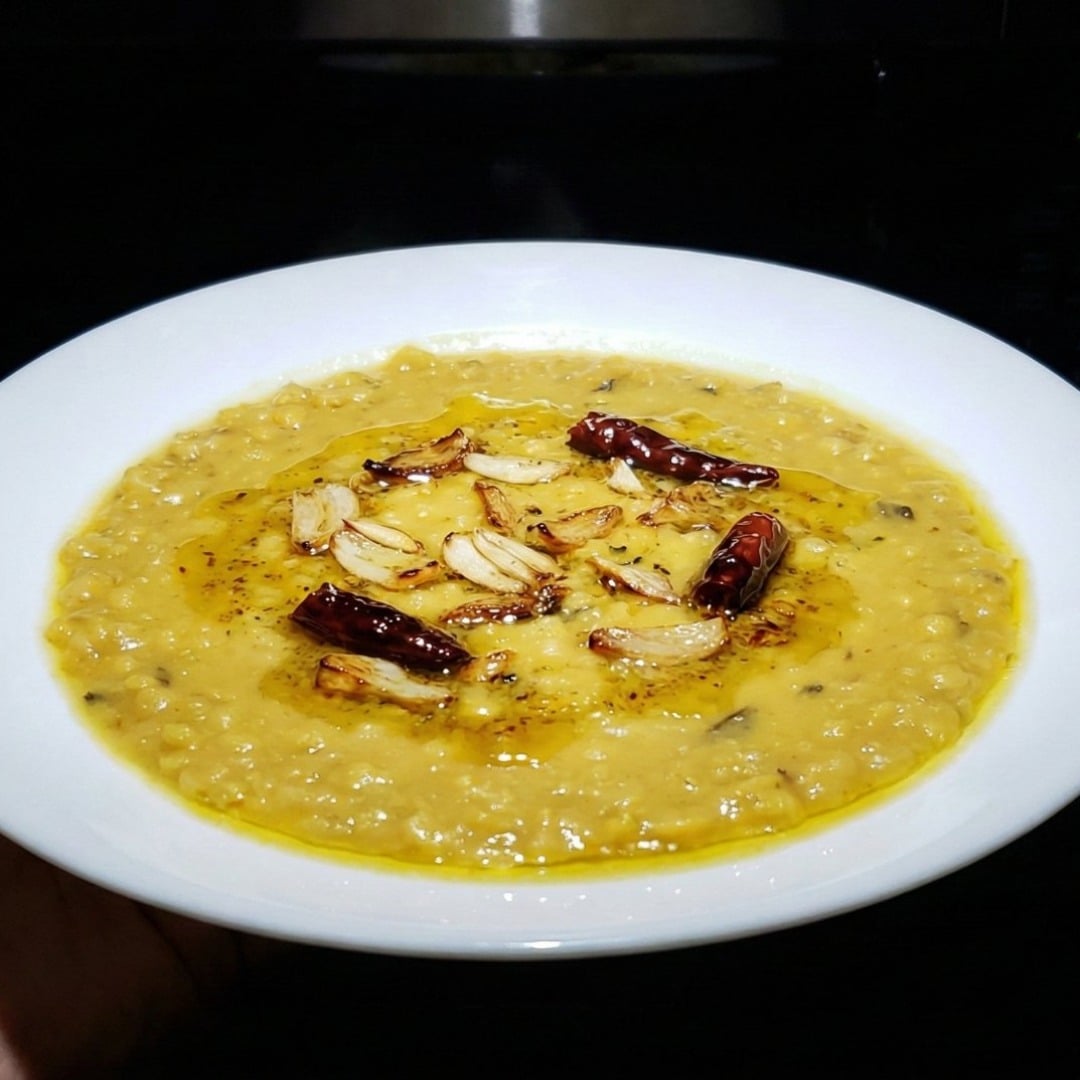
3AM Dal Tadka Cravings
The ultimate comfort food. Toor dal cooked until creamy and tempered with garlic and ghee. Ready in 20 minutes with a pressure cooker.
3. Vegetable Dishes (Volume Without the Calories)
Dry-cooked or lightly gravied vegetable dishes - sabzi - let you fill the plate for very little.
- Bhindi (okra) - dry-sauteed with minimal oil
- Baingan bharta - smoky roasted eggplant
- Aloo gobi - potato and cauliflower (go easy on the potato)
- Palak / saag - spinach and greens, nutrient-dense
Paneer-and-greens dishes are especially good here - high in protein, low in carbs. See our saag paneer vs palak paneer guide for the lightest way to make them (less cream, more greens).
4. Light Breakfasts and Snacks
Indian breakfasts can be some of the lightest meals of the day - if you steer around the fried ones.
- Egg bhurji - Indian scrambled eggs, high protein
- Moong dal cheela - savory lentil pancakes
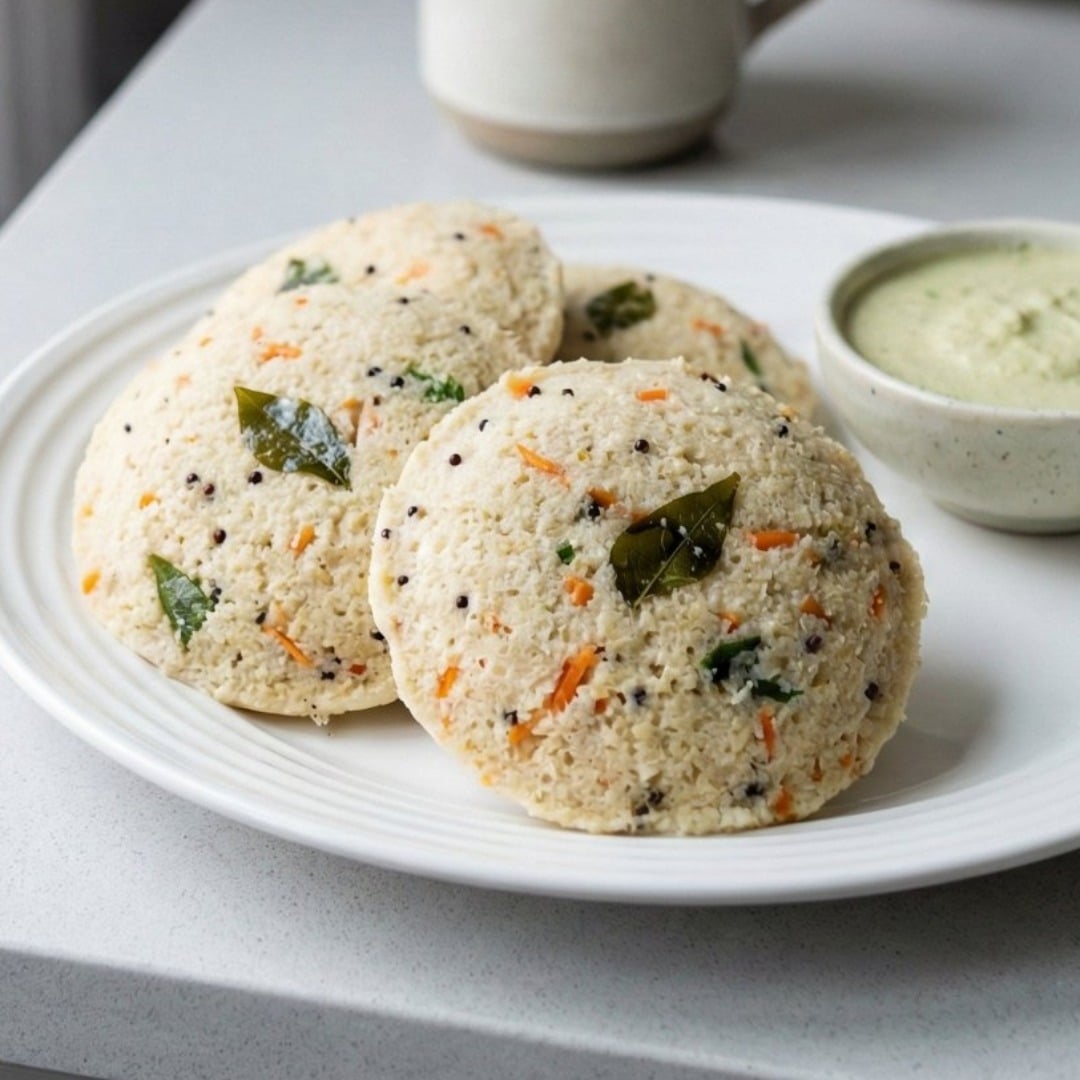
- Oats idli - steamed, not fried, and fiber-rich
- Plain dosa (in moderation) - fermented and griddled, not deep-fried
 Easy
EasyFeatured Recipe
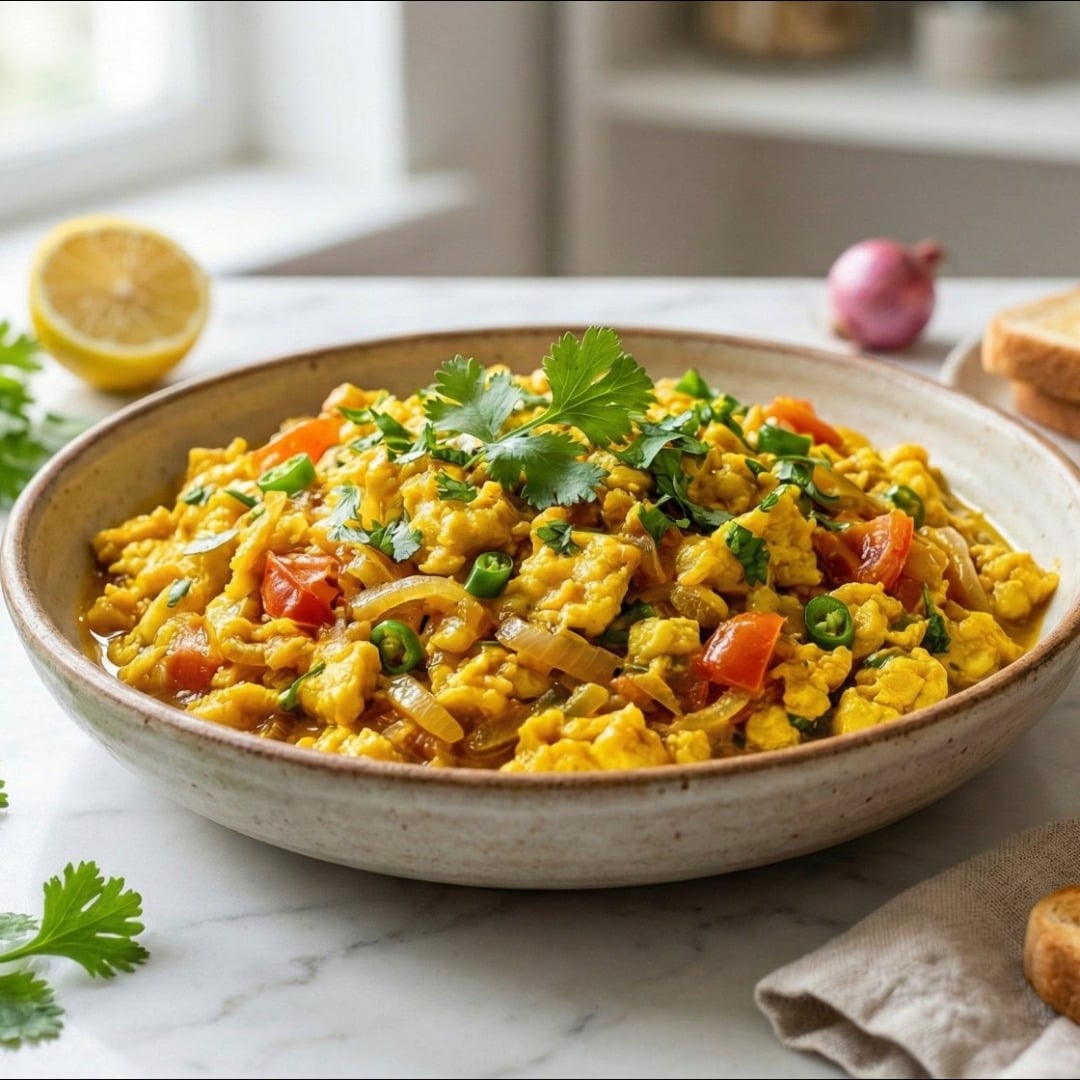
Midnight Egg Bhurji
The Indian scrambled eggs. Loaded with onions, chillies, and tomatoes. Best eaten with buttered toast at 2 AM.
 Easy
EasyFeatured Recipe
Quick Oats Idli (Instant Breakfast)
No fermentation needed! Perfect for busy mornings when you want something healthy. I add carrots to sneak in veggies.
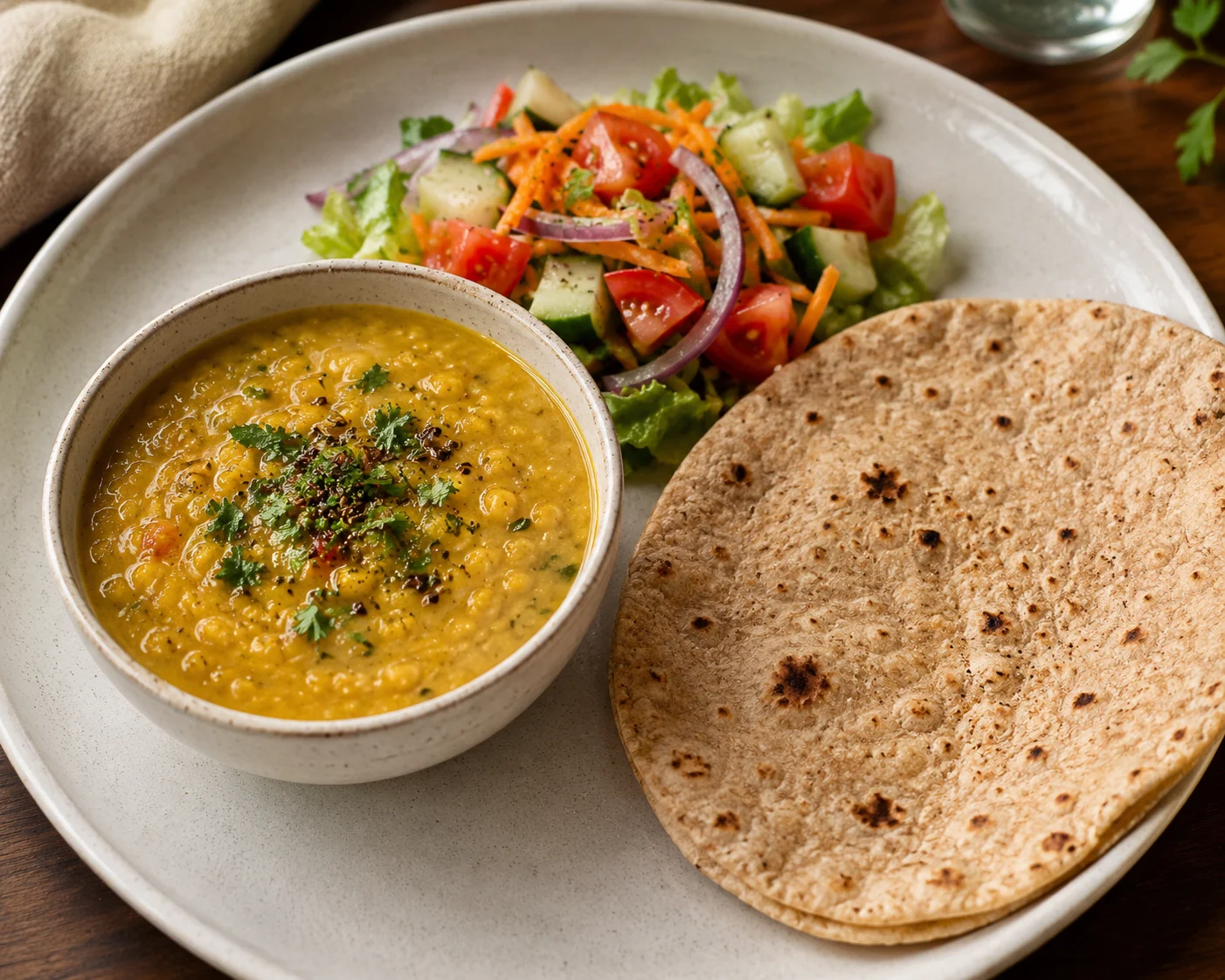 A bowl of simple dal, a fresh salad, and one roti is a classic light, balanced Indian meal
The Simple Swaps That Cut Calories
You don't have to give up your favorite dishes - just adjust how they're made.
| Instead of... | Choose... | Why it's lighter |
|---|---|---|
| Naan | Roti / phulka | Whole-wheat, no added fat |
| Deep-fried samosa | Grilled tikka or kebab | No oil absorption |
| Cream-based curry | Tomato- or yogurt-based curry | Far less fat |
| Large rice portion | Small rice + more sabzi | Fewer refined carbs |
| Butter chicken | Chicken tikka / tandoori | Same protein, no cream sauce |
| Sweet lassi | Chaas (spiced buttermilk) | A fraction of the sugar |
Choosing roti over naan is one of the easiest wins - here's exactly why roti is the lighter bread.
Note
Low-Carb vs Low-Calorie: What's the Difference?
They overlap, but they aren't the same. Low-calorie eating limits total energy - so you watch oil, cream, sugar, and portions. Low-carb / keto eating limits carbohydrates specifically - so rice, bread, and lentils are out, but cream and fat are fine.
That's why butter chicken is keto-friendly (low carb, high fat) but not exactly low-calorie (all that cream). If you're going the keto route instead, our keto Indian food guide breaks down exactly which dishes fit and which to avoid.
For low-calorie, the priorities flip: keep the roti and dal, skip the cream and the deep-frying.
A Sample Light Indian Day
- Breakfast: egg bhurji or oats idli
- Lunch: dal + one roti + a vegetable sabzi + salad
- Snack: chaas or a bowl of fruit
- Dinner: chicken tikka or fish tikka + kachumber salad + sauteed greens
Filling, high in protein and fiber, full of flavor - and genuinely light. Browse more dishes to build your own light meals on the main course category page.
 Medium
Featured Recipe
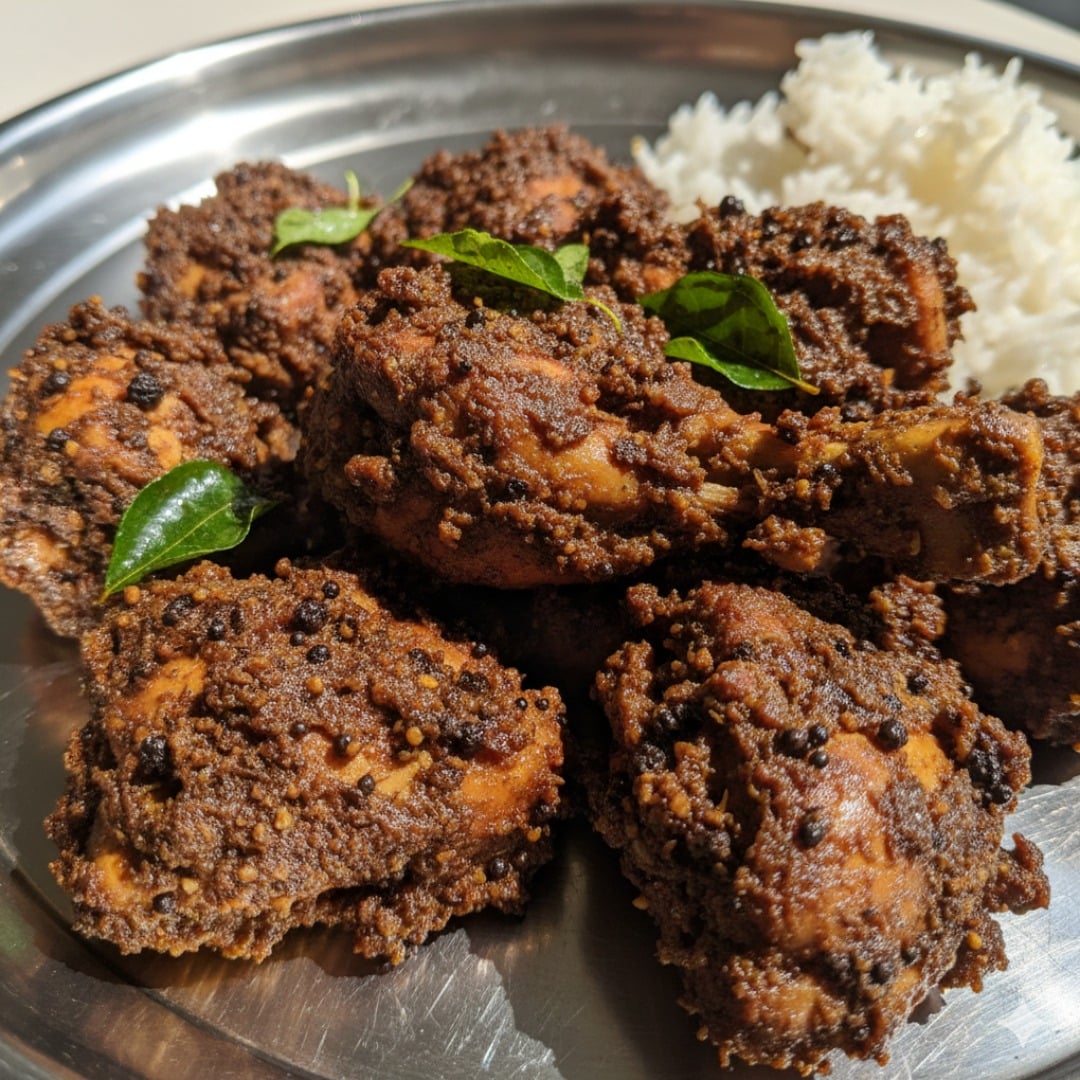
Chettinad Pepper Chicken (Spicy Warning!)
Not for the faint-hearted. This dry curry uses fresh ground black pepper and fennel. The aroma when you roast the spices is intoxicating.
A dry, pepper-forward South Indian chicken - big flavor, minimal sauce, and very little oil.
The Bottom Line
Indian food isn't inherently heavy - the heavy versions are just the most famous ones.
Lean into the grilled proteins, dals, vegetable sabzis, and light breakfasts; make the easy swaps (roti for naan, grilled for fried, yogurt for cream, smaller rice portions); and load the plate with vegetables and salad. Do that, and you get everything Indian food is loved for - the spice, the protein, the comfort - at a fraction of the calories.
Frequently Asked Questions
- Can Indian food be low calorie?
- Yes. Plenty of Indian food is naturally low-calorie - tandoori and tikka grilled meats, dals, tomato-based curries, and vegetable sabzis. The calories usually come from deep-fried snacks, cream- and butter-heavy gravies, refined breads, and sweets, not from the core dishes. Skip or swap those and Indian food is genuinely light.
- What is the lowest calorie Indian dish?
- Grilled tandoori and tikka dishes are among the lowest - chicken tikka, tandoori chicken, and fish tikka are marinated in yogurt and grilled with almost no added fat. Dals, egg bhurji, and vegetable sabzis are also very light. A tandoori chicken portion can be under 200 calories.
- Is Indian food good for weight loss?
- It can be, when you choose wisely. Indian cuisine is rich in protein (paneer, lentils, meats), fiber (dals, vegetables, whole-wheat roti), and spices that add big flavor for zero calories. The key is portion control on rice and bread, and avoiding deep-fried and cream-heavy dishes.
- Which Indian bread is lowest in calories?
- Plain roti or phulka is the lightest - whole-wheat, no added fat, around 70-100 calories each. Choose roti over naan, which is made from refined flour with added oil and butter. Skip deep-fried breads like puri and bhatura, and rich stuffed parathas, if you're counting calories.
- How do I make Indian food lower in calories?
- Grill or roast instead of deep-frying, use a fraction of the oil, swap cream for yogurt or a little cashew paste, choose roti over naan and smaller rice portions, and load the plate with vegetables and salad. These simple swaps cut calories without losing the flavor.
- Is dal healthy and low calorie?
- Yes. Dal (lentils) is one of the healthiest Indian staples - high in plant protein and fiber, filling, and moderate in calories when made with minimal oil or ghee in the tempering. A bowl of simple dal with a roti is a classic light, balanced Indian meal.