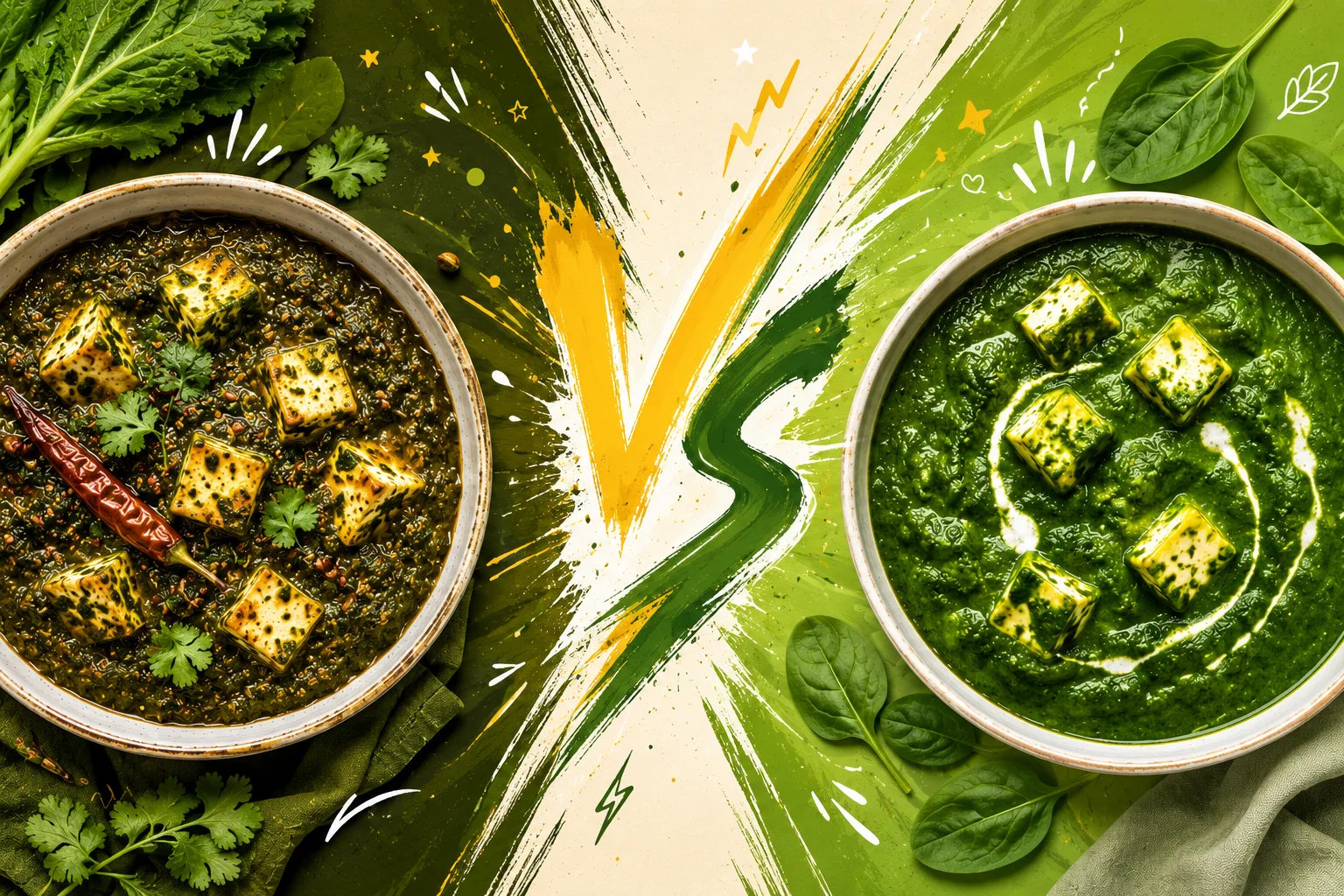
Saag Paneer vs Palak Paneer: What's the Difference?
 MasalaBear Team
They look almost identical on the menu, but saag paneer and palak paneer aren't the same dish. The difference is which greens go in the pot - and it changes everything.
Tip
Scan an Indian menu and you'll often see both saag paneer and palak paneer listed - two green, creamy, paneer-studded curries that look practically identical in the photo. Order either and a lot of people can't tell them apart.
But they aren't the same dish. The difference is hiding in one word - saag versus palak - and once you know what it means, you'll never confuse them again.
At-a-Glance Comparison
| Feature | Palak Paneer | Saag Paneer |
|---|---|---|
| Greens used | Spinach only (palak) | Mixed greens (mustard, fenugreek, spinach) |
| Color | Bright, vivid green | Darker, earthier green |
| Texture | Smooth, pureed | More rustic, sometimes coarse |
| Flavor | Milder, sweeter | Earthier, more bitter, robust |
| Region | Popular all over India | Strongly associated with Punjab |
| Relationship | A specific type of saag | The broad category of greens |
It All Comes Down to One Word
The confusion is really a translation problem.
Palak = Spinach
Palak is the Hindi word for spinach. So palak paneer is, by definition, paneer in a spinach sauce - nothing else required. The spinach is blanched, blended into a smooth puree, and simmered with onion, tomato, ginger, garlic, and spices, then finished with cubes of paneer. The result is that clean, bright-green gravy you picture when you hear the name.
Saag = Leafy Greens (Plural)
Saag is a broader word - it means leafy greens in general, not one specific plant. A saag can be built from:
- Sarson (mustard greens) - peppery and bold, the classic Punjabi base
- Methi (fenugreek leaves) - slightly bitter and aromatic
- Bathua (chenopodium) - an earthy winter green
- Palak (spinach) - often added to soften the mix
- Dill, radish greens, or chard - depending on the region and season
So saag paneer is paneer cooked in whatever combination of greens the cook (or region) favors. Because those greens are stronger and more varied than plain spinach, saag paneer tends to be earthier, more bitter, and less uniformly green.
Note
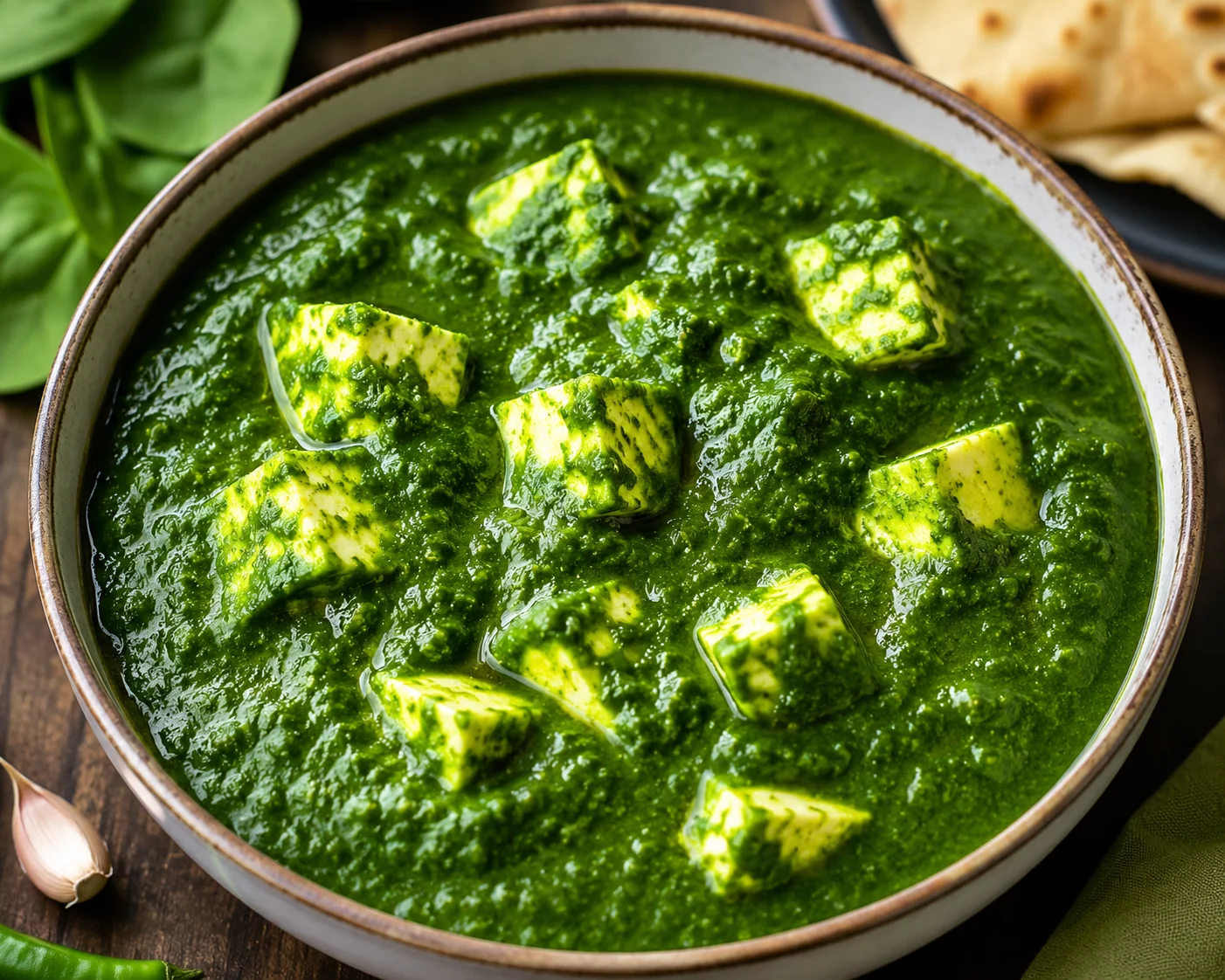 Palak paneer's signature is its smooth, vivid-green spinach gravy
Regional Styles: Saag Across India
"Saag" changes character completely depending on where in India you are - which is exactly why saag paneer is so much harder to pin down than palak paneer.
Sarson Ka Saag (Punjab)
The most famous saag of all. Mustard greens are slow-cooked with a little spinach and bathua, then tempered with ghee, ginger, and garlic. Traditionally paired with makki di roti (cornbread) rather than paneer - but add paneer and you get a robust, peppery saag paneer.
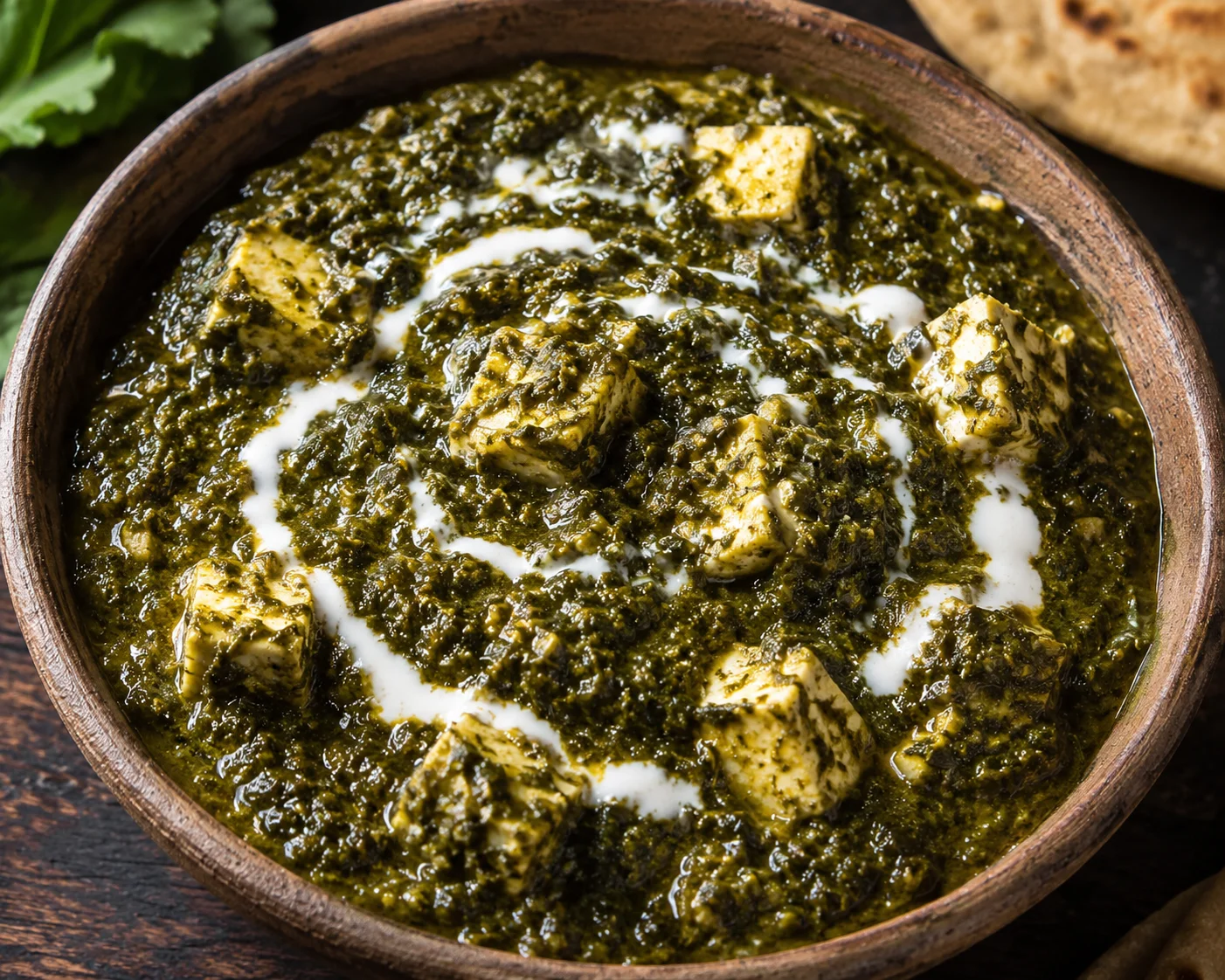 A mustard-greens saag paneer is darker and earthier than its spinach-only cousin
Methi-Led Saag (North India)
Fenugreek-forward versions lean bitter and aromatic. Methi's distinctive flavor makes this saag punchier and is often balanced with a touch of cream or a potato.
Palak-Led Greens (Pan-Indian)
When spinach dominates, the dish softens toward palak paneer - milder, smoother, and greener. This is the version most restaurants outside India default to, because spinach is mild, available year-round, and holds its color.
For the breads these greens are traditionally scooped with - from makki di roti to naan - see our full guide to the types of Indian bread.
Why Restaurants Blur the Line
If saag and palak are different, why do so many menus treat them as synonyms?
Two reasons. First, spinach is easy - it's cheap, available everywhere, mild enough for any palate, and keeps its bright color, so kitchens outside India lean on it and call the result either name. Second, the words genuinely overlap - since spinach is a saag, a spinach-based dish can honestly be labeled saag paneer even though a purist would call it palak paneer.
The takeaway: if the menu photo is vivid green and smooth, you're almost certainly getting a spinach-led palak paneer, whatever it's called.
Which Should You Order (or Cook)?
Choose palak paneer if you...
- Prefer a milder, smoother, sweeter green curry
- Like a vivid, uniform color
- Are cooking for kids or greens-skeptics
- Want a reliable, year-round dish (frozen spinach works great)
Choose saag paneer if you...
- Want a bolder, earthier, more complex flavor
- Enjoy the peppery bite of mustard greens or the bitterness of methi
- Are chasing a more traditional, rustic Punjabi taste
- Don't mind a darker, less "photogenic" plate
Both are naturally vegetarian and, if you go easy on the cream and butter, genuinely light - paneer is high in protein and very low in carbs, which is why paneer curries are a staple of eating Indian food the low-carb way. We cover that in our keto Indian food guide. You can also browse more paneer and greens dishes on the main course category page.
Make It at Home
Start with the version that's easiest to nail - a proper bright-green palak paneer - then branch out into mixed greens once you're comfortable.
 Easy
EasyFeatured Recipe
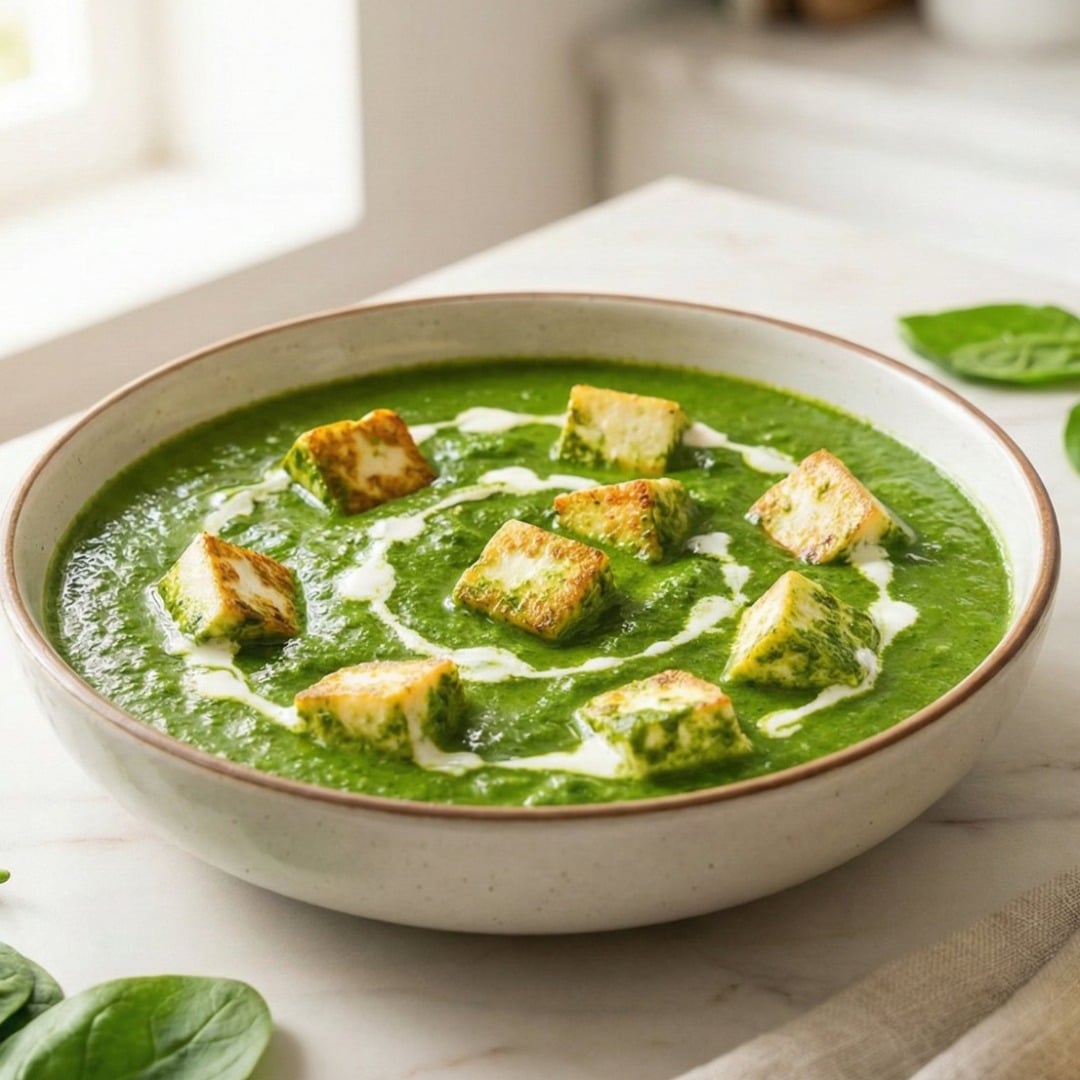
Palak Paneer (But Actually Green)
A vibrant green curry that retains the nutrients of spinach. I don't overcook the greens, so it stays fresh and sweet. No brown sludge here!
The key to that restaurant-green color: blanch the spinach briefly, shock it in ice water, and add it near the end instead of boiling it down.
And because a green paneer curry practically demands something to scoop it with:
 Medium
Featured Recipe
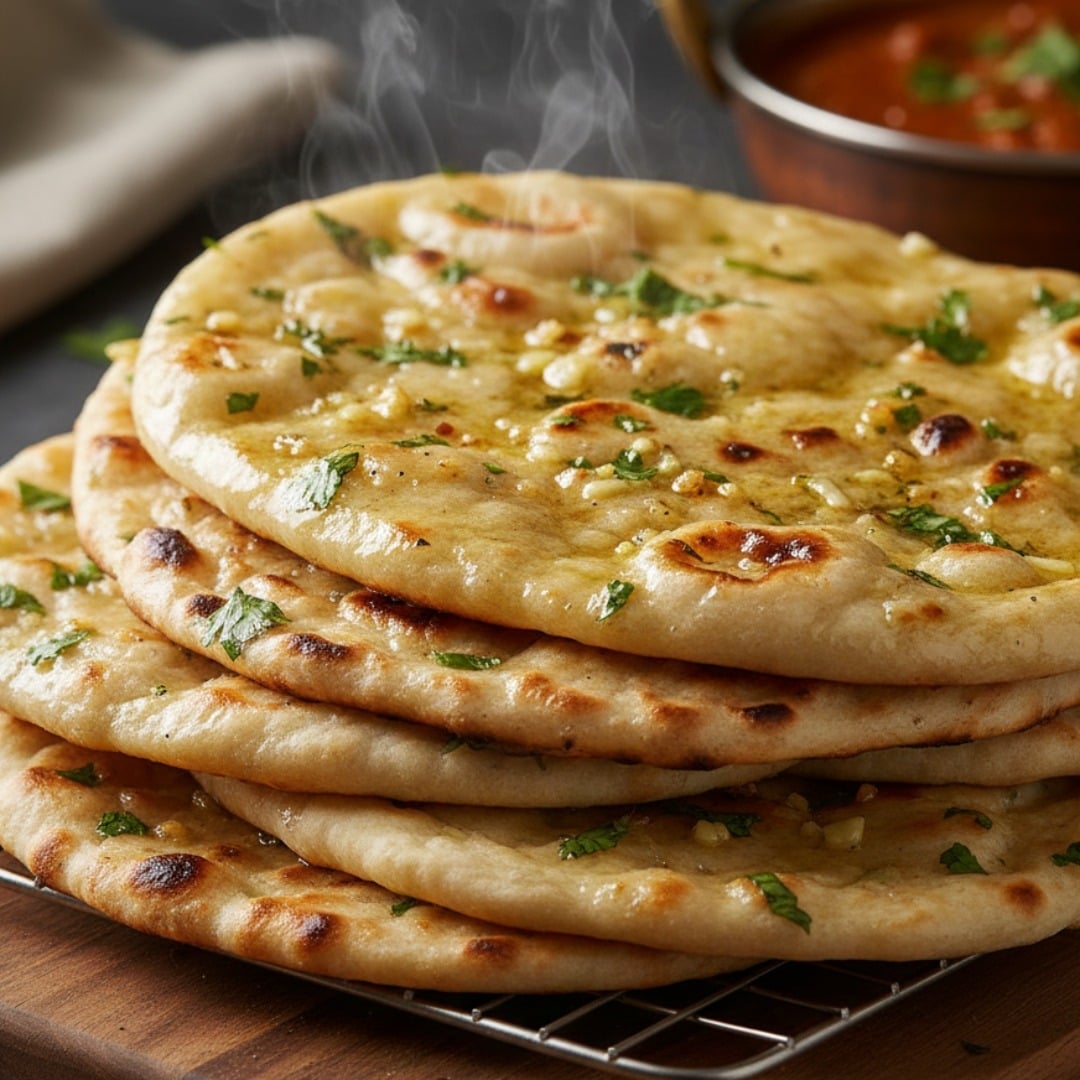
Garlic Butter Naan (Tawa Style, No Oven)
Who needs a tandoor when you have a Tawa? This recipe gives you restaurant-quality soft, chewy Garlic Butter Naan right on your stovetop. The trick is to use a slightly wet dough and steam it over the flame for that perfect char.
The Bottom Line
Saag paneer and palak paneer are cousins, not twins.
Palak paneer is the specific dish: paneer in a smooth, bright-green spinach sauce - milder, sweeter, and consistent.
Saag paneer is the broad family: paneer in whatever leafy greens the region favors - mustard, fenugreek, spinach and more - so it's earthier, more rustic, and more variable.
Remember the one-line rule and you'll always order right: all palak paneer is saag paneer, but not all saag paneer is palak paneer.
Frequently Asked Questions
- What is the difference between saag paneer and palak paneer?
- Palak paneer is made specifically with spinach (palak). Saag paneer is made with 'saag,' a broader mix of leafy greens - which can include mustard greens, fenugreek, dill, and spinach. So palak paneer is technically a type of saag paneer, but a saag paneer made with mustard greens is not palak paneer.
- Is palak paneer just spinach?
- The greens are, yes - palak means spinach in Hindi, so palak paneer's sauce is essentially spinach blended with onion, tomato, ginger, garlic, and spices, with cubes of paneer. Some cooks add a handful of other greens for depth, but true palak paneer is spinach-led.
- Does saag paneer taste different from palak paneer?
- Yes. Palak paneer is milder, smoother, and sweeter from the pure spinach. Saag paneer is earthier, more bitter, and more robust because greens like mustard (sarson) and fenugreek (methi) have a stronger, peppery flavor. Saag is also often more rustic and less pureed.
- Why is my palak paneer dark instead of bright green?
- Overcooking. Spinach loses its bright color when simmered too long. To keep palak paneer vivid green, blanch the spinach briefly, shock it in ice water, then blend and add it to the gravy near the end rather than boiling it for a long time.
- Is saag paneer or palak paneer healthier?
- Both are nutritious and vegetarian, built on leafy greens and protein-rich paneer. Saag paneer can edge ahead when it uses a mix of greens like mustard and fenugreek, which add extra vitamins and minerals. Watch the cream and butter - that's where most of the calories come from.
- Can I use frozen spinach for palak paneer?
- Absolutely. Frozen spinach works well and is often more convenient - it's already blanched. Thaw and drain it well, then blend. Many restaurants use frozen spinach because it gives a consistent color and texture year-round.