
Curry Powder vs Garam Masala: Key Differences & When to Use Each
 MasalaBear Team
Most Indian home cooks don't use curry powder at all. Learn the real difference between curry powder and garam masala, and why you're probably using them wrong.
Here's a confession that might surprise you: most Indian home cooks don't use curry powder. At all.
If you've been using curry powder and garam masala interchangeably, or thought they were basically the same thing, you're not alone. But understanding the difference will genuinely improve your Indian cooking.
Tip
At-a-Glance Comparison
| Feature | Curry Powder | Garam Masala |
|---|---|---|
| Origin | British colonial invention | Ancient Indian blend |
| Age | ~200 years old | Thousands of years old |
| Main Spice | Turmeric (gives yellow color) | Cinnamon, cardamom, cloves |
| Color | Bright yellow | Brownish, muted |
| Flavor | Earthy, slightly bitter | Warm, sweet, aromatic |
| Heat Level | Mild to moderate | Warm, not spicy-hot |
| When to Add | During cooking | At the end (finishing) |
| Used in India? | Rarely | In every kitchen |
The Origin Stories
Curry Powder: A British Invention
Here's the truth: curry powder doesn't exist in traditional Indian cooking.
It was invented by the British during colonial rule in India, roughly 200 years ago. British traders and colonists wanted to recreate the flavors of Indian food back home, but the complex spice combinations were too complicated. So they (or Indian merchants catering to them) created a pre-mixed, one-size-fits-all blend.
The word "curry" itself is a British anglicization of "kari," a Tamil word for sauce or gravy. The British applied it broadly to almost any Indian dish with a sauce - which is why "curry" became such a catch-all term.
Note
Curry powder was designed for convenience, not authenticity. It lets you add "Indian flavor" to any dish with a single scoop. And while there's nothing wrong with that, it's not how Indian cooking actually works.
Garam Masala: The Real Deal
Garam masala has been part of Indian cuisine for thousands of years. The name translates directly:
- Garam = hot/warm
- Masala = spice blend
But "hot" here doesn't mean spicy - it refers to the Ayurvedic concept that certain spices "warm" the body and aid digestion. The blend was designed to balance the body's internal heat.
Unlike curry powder, garam masala varies dramatically by region and family. A Punjabi garam masala tastes different from a Gujarati one, which tastes different from a Bengali one. Many Indian families have their own recipe passed down through generations.
There is no single "authentic" garam masala - the authenticity is in the tradition of making your own blend, not in following one specific recipe.
What's Actually in Each Blend
Curry Powder Ingredients
Curry powder typically contains:
Always present:
- Turmeric - The dominant spice; gives the yellow color
- Cumin - Earthy, warm base note
- Coriander - Citrusy, slightly sweet
- Fenugreek - Slightly bitter, maple-like
Often included:
- Ginger
- Black pepper
- Mustard seeds
- Chili powder or cayenne
- Garlic powder
- Cinnamon
The exact blend varies by brand, but turmeric is always the star - that's what makes curry powder yellow.
Garam Masala Ingredients
Garam masala typically contains:
Core warming spices:
- Cinnamon (or cassia) - Sweet, warm
- Cardamom (green and/or black) - Floral, complex
- Cloves - Intense, slightly numbing
- Black pepper - Sharp heat
Often included:
- Cumin
- Coriander
- Nutmeg
- Mace
- Bay leaves
- Fennel seeds
Notice what's missing: Turmeric. Garam masala has no turmeric, which is why it's brown instead of yellow.
 The core warming spices of garam masala: cinnamon, cardamom, cloves, black pepper, and bay leaves
Warning
How They Taste
Curry Powder's Flavor Profile
Curry powder tastes:
- Earthy and musky - From the heavy turmeric
- Slightly bitter - Also from turmeric and fenugreek
- Warm but not hot - Gentle spice, not fiery
- One-dimensional - Everything blends into a single "curry" flavor
- Yellow - The color affects perception of taste
It's designed to deliver "Indian-ish" flavor in one easy addition. That's its strength and its limitation.
Garam Masala's Flavor Profile
Garam masala tastes:
- Warm and aromatic - Like walking into a spice market
- Sweet and complex - Cinnamon and cardamom sing
- Fragrant, not bitter - No turmeric bitterness
- Multi-layered - Individual spices remain distinct
- Warming - You can almost feel the heat it's named for
Garam masala is designed to add complexity and fragrance, not to be the whole flavor.
When to Use Each
This is the critical difference most people miss.
When to Use Curry Powder
Add curry powder DURING cooking, typically:
- At the beginning, when blooming spices in oil
- In the middle, when building the sauce
- Give it time to cook (5-10 minutes minimum) to mellow the raw spice taste
Best uses for curry powder:
- Quick weeknight curries when you don't have time for multiple spices
- British-Indian dishes that were designed around it (many takeout-style curries)
- Non-Indian dishes where you want curry flavor (curry chicken salad, curried rice)
- Soups and stews where convenience matters
- When the recipe specifically calls for it
 Add curry powder during cooking - it needs time to mellow and blend with other ingredients
When to Use Garam Masala
Add garam masala AT THE END of cooking, typically:
- In the last 1-2 minutes of cooking
- After removing from heat
- Sprinkled on top as garnish
- Stirred into finished dal or curry
Why at the end? Garam masala's aromatic compounds are volatile - they evaporate with prolonged heat. Cook it too long and you lose the fragrance that makes it special.
Best uses for garam masala:
- Authentic Indian dishes - Most North Indian recipes finish with garam masala
- As a finishing spice - Adds complexity to nearly done dishes
- In addition to other spices - It complements, not replaces, your spice blend
- Biryanis and pulaos - Adds that final aromatic note
- Dals and curries - Stirred in just before serving
- Meat marinades - Where it has time to penetrate
Tip
Can You Substitute One for the Other?
Short answer: Yes, but the results will be different.
Substituting Curry Powder for Garam Masala
If a recipe calls for garam masala and you only have curry powder:
- Use about half the amount (curry powder is more intense)
- Add it earlier in cooking (curry powder needs to cook)
- Expect a yellow color and earthier, flatter flavor
- It won't be the same, but the dish will still taste good
Substituting Garam Masala for Curry Powder
If a recipe calls for curry powder and you only have garam masala:
- Use the same amount or slightly more
- You'll miss the turmeric - add 1/2 tsp turmeric separately if you have it
- Add a pinch of cumin and coriander if available
- The dish will taste more "authentically Indian" but less like expected curry powder flavor
The Better Solution
Keep both on hand. They serve different purposes and both belong in a well-stocked spice cabinet.
Making Your Own Blends
Both blends are better homemade - fresher, more aromatic, and customizable to your taste.
Homemade Curry Powder
Makes about 1/4 cup:
- 2 tbsp ground turmeric
- 1 tbsp ground cumin
- 1 tbsp ground coriander
- 1 tsp ground ginger
- 1 tsp ground fenugreek
- 1/2 tsp black pepper
- 1/2 tsp cayenne (adjust to taste)
- 1/4 tsp cinnamon
Method:
- Toast whole spices if using (skip if using pre-ground)
- Mix all ground spices together
- Store in an airtight container
- Use within 3 months for best flavor
Homemade Garam Masala
Makes about 1/4 cup:
- 2 tbsp cumin seeds
- 2 tbsp coriander seeds
- 1 tbsp black peppercorns
- 1 tsp whole cloves
- 1 tsp cardamom seeds (from about 20 green pods)
- 2 cinnamon sticks (broken)
- 1/2 whole nutmeg, grated
- 2 bay leaves
Method:
- Toast all spices in a dry pan over medium heat until fragrant (2-3 minutes)
- Cool completely
- Grind in a spice grinder or mortar and pestle until fine
- Store in an airtight jar away from light
- Use within 2-3 months
Note
Regional Variations of Garam Masala
One of the beautiful things about garam masala is that there's no single recipe. Here's how it varies across India:
North Indian (Punjabi) Garam Masala
- Heavy on cinnamon and black cardamom
- Includes mace and nutmeg
- Darker, more robust flavor
- Used in rich, creamy dishes
South Indian Garam Masala
- More black pepper
- Often includes curry leaves
- Lighter, brighter
- Sometimes includes coconut
Bengali Garam Masala (Panch Phoron)
- Five whole spices: cumin, nigella, fennel, fenugreek, mustard seeds
- Not ground - used whole
- Distinctive, slightly bitter
- Used in dal and vegetable dishes
Kashmiri Garam Masala
- Heavy on fennel
- Includes dried ginger (sonth)
- No black pepper
- Mild, aromatic, slightly sweet
Storage Tips
Both blends lose potency over time, but proper storage helps.
Curry Powder
- Shelf life: 6 months to 1 year
- Storage: Airtight container, cool, dark place
- Signs it's old: Faded color, weak smell, dusty taste
Garam Masala
- Shelf life: 2-3 months (homemade), 6 months (store-bought)
- Storage: Airtight container, away from heat and light
- Signs it's old: Weak aroma is the main giveaway
- Tip: Store whole spices and grind as needed for maximum freshness
General Spice Storage Rules
- Keep away from the stove (heat degrades spices)
- Avoid clear containers (light degrades spices)
- Don't store above the dishwasher (steam is the enemy)
- Buy in small quantities you'll use within a few months
Frequently Asked Questions
Is garam masala spicy hot?
No. "Garam" means "warm" in the Ayurvedic sense - the spices warm your body - not spicy-hot. Garam masala contains no chili. If you want heat, add cayenne or chili powder separately.
Can I use both curry powder AND garam masala in the same dish?
Yes! Add curry powder during cooking for base flavor, then finish with garam masala for aroma. Many British-Indian restaurant recipes do exactly this.
Which one is more authentic?
Garam masala, by far. Curry powder is a Western convenience product. Most Indian home cooks use individual spices plus garam masala, not curry powder.
Why does my store-bought garam masala have turmeric?
Many Western brands add turmeric to make it look more like what people expect "Indian spice" to look like. Traditional garam masala has no turmeric. Check ingredients and look for brands without it for more authentic flavor.
How much garam masala should I add to a dish?
For a dish serving 4:
- Light touch: 1/2 teaspoon (subtle warmth)
- Standard: 1 teaspoon (noticeable but balanced)
- Bold: 1.5-2 teaspoons (for strongly spiced dishes)
Start with less - you can always add more.
What dishes should NOT use curry powder?
Dishes where you want clean, distinct flavors - like biryani, simple dals, or recipes where specific spices need to shine. Curry powder tends to make everything taste similar.
The Bottom Line
Curry powder is a convenient, Western-created all-in-one blend. It's useful for quick cooking and dishes designed around it, but it's not authentic Indian cooking.
Garam masala is the real deal - a traditional warming blend that's been part of Indian cuisine for millennia. It's used as a finishing spice to add complexity and fragrance.
Understanding the difference - and using each correctly - is one of the simplest ways to level up your Indian cooking.
Try These Spice Blends in Action
Ready to put your knowledge to work? Here are some MasalaBear recipes where these spice blends shine:
 Medium
Featured Recipe
Fiery Kashmiri Rogan Josh (Pressure Cooker Style)
weeknight pressure cooker rogan josh. sear the meat first thats the trick
 Medium
Featured Recipe
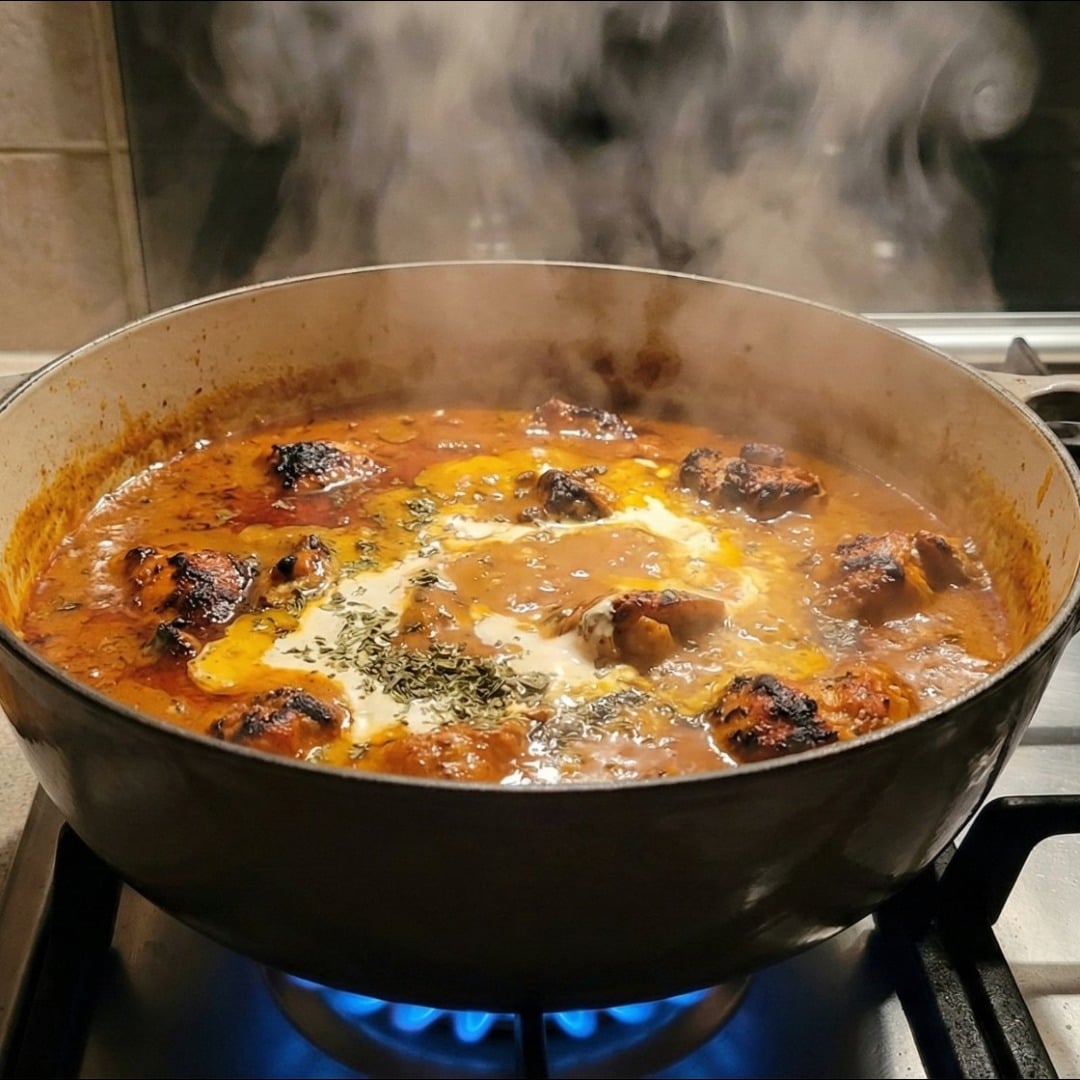
My Ammi's 'Guest Special' Butter Chicken
Forget the sweet orange stuff you get in jars. This is the real deal with a smoky flavor. Kasuri methi at the end and lots of butter - don't be stingy.